




Dedicated Manufacturer and Exporter of Premium Dried Fruits, Natural Fruit Bars, and Flavored & Coated Nuts
- Home
- /
- Knowledge Hub
- /
- The Ultimate Fruit Season in Vietnam Calendar for B2B Importers
The Ultimate Fruit Season in Vietnam Calendar for B2B Importers
For B2B importers, food brands, and distributors building a reliable supply chain around Vietnamese produce, understanding fruit season in Vietnam is not background knowledge it is operational intelligence. The seasonal structure of Vietnam's fruit production determines raw material quality, farmgate pricing, processing capacity availability, and ultimately the quality and cost of the finished products that reach your shelves. Getting the calendar right turns sourcing from reactive to strategic.
Why Fruit Season in Vietnam Is Critical for Supply Chain Planning
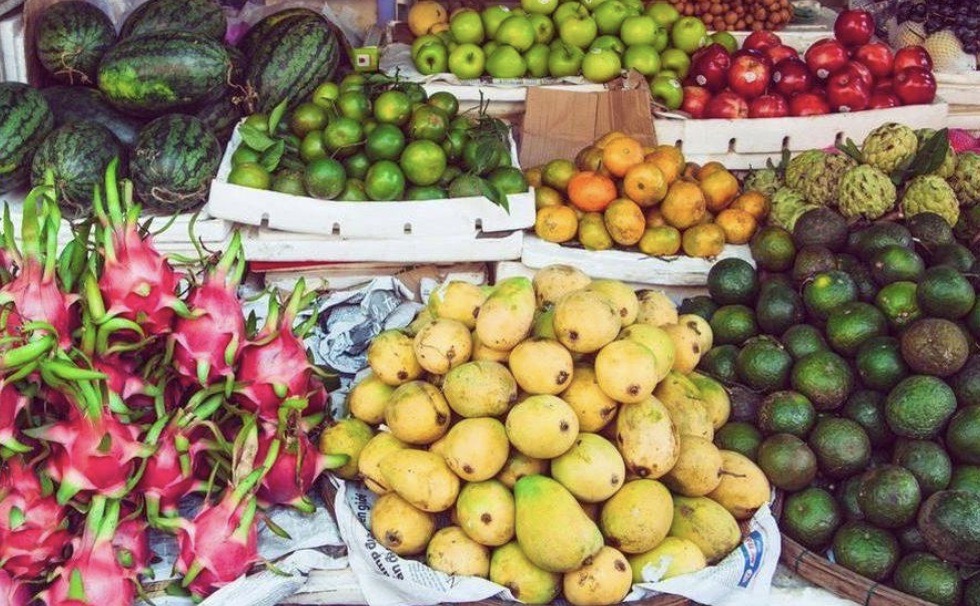
Vietnam's agricultural geography creates a fruit production calendar that is more complex and more advantageous for international buyers than most competing sourcing origins. The country spans 15 degrees of latitude, encompassing tropical lowlands, subtropical central provinces, and highland zones where cooler temperatures and seasonal rainfall patterns produce distinctly different growing conditions. The result of this geographic diversity is that fruit season in Vietnam operates as a continuous, overlapping series of regional harvests rather than a single national flush.
Mango peaks in the Mekong Delta from March to June while the Central Highlands prepare for the durian off season crop in September. Dragon fruit production continues year round from Binh Thuan province while lychee completes its short northern season in June. This overlapping structure allows a well-informed buyer to maintain fresh raw material access or dried fruit inventory replenishment across nearly every month of the year.
For importers who currently rely on reactive spot-buying during obvious peak seasons, the shift to a proactive, calendar based sourcing approach consistently delivers three improvements: better quality allocation (processors prioritise buyers with advance commitments), lower input costs (volume commitments made before peak drive better pricing), and reduced supply gaps (advance planning eliminates the delays caused by last-minute booking of processing capacity).
Fruit Season in Vietnam: Complete Month by Month Calendar
The following calendar covers the primary commercial fruit varieties across Vietnam's main growing regions. Dates represent typical peak availability windows; actual timing shifts by 2-4 weeks depending on annual rainfall, temperature, and growing region:
| Month | Peak Fruits | Primary Region | Export Relevance |
|---|---|---|---|
| January | Pomelo (Bui), kumquat, late longan | Mekong Delta, Central | Gifting season in Asian markets; pomelo export to EU |
| February | Early mango (off-season crop), strawberry | An Giang, Da Lat | Mango supply bridge before main season; Da Lat strawberry premium |
| March | Mango (early main season), lychee (early) | Tien Giang, Dong Thap, Bac Giang | Start of primary mango sourcing window; book processing now |
| April | Mango (peak), durian (early Mekong), jackfruit | Mekong Delta | Highest mango volume; best raw material pricing window |
| May | Mango (peak), lychee (peak), durian, pineapple | Mekong Delta, Bac Giang | Cross-category sourcing opportunity; lychee extremely short window |
| June | Dragon fruit (rising), rambutan, watermelon, late mango | South, Mekong Delta | Dragon fruit season begins; rambutan for specialty export |
| July | Dragon fruit (peak), longan (peak), passion fruit | Binh Thuan, Mekong Delta, Central Highlands | Dragon fruit primary export window; longan processing peak |
| August | Dragon fruit, mangosteen, passion fruit | South, Central Highlands | Mangosteen short window; passion fruit rising volume |
| September | Mangosteen, pineapple flush, early off-season mango | South, Central | Mangosteen peak quality; pineapple secondary harvest |
| October | Durian (Central Highlands), papaya, guava | Dak Lak, Lam Dong, South | Durian second crop; off-season premium pricing |
| November | Durian (off-season), soursop, aloe vera | Central Highlands, South | High value durian window; soursop specialty processing |
| December | Late papaya, guava, longan (second crop) | Mekong Delta, South | Supply bridge; inventory planning for Q1 |
| Year-round | Dragon fruit, pineapple, papaya, jackfruit, aloe vera | Multiple regions | Multi-crop varieties; stable supply for dried fruit processing |
Top Export Fruits by Fruit Season in Vietnam: A Quarterly Overview
Q1 - Q2: The Mango and Lychee Season in Vietnam
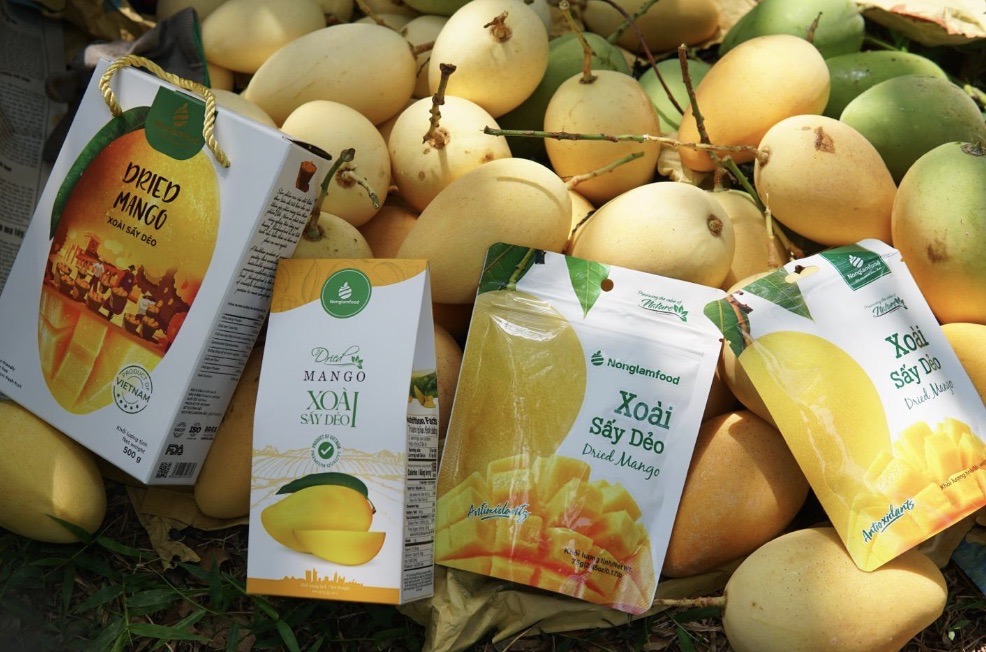
The first half of the year is dominated commercially by mango Vietnam's most valuable and versatile fruit export. The main mango season in Vietnam runs from March through June across the Mekong Delta provinces, delivering the combination of peak quality and competitive pricing that makes this the optimal sourcing window for dried mango production. Buyers contracting mango processing capacity in January or February before the season opens consistently secure better pricing and allocation priority than those entering the market during peak harvest. The practical recommendation: use the December - February period to confirm processing partnerships and volume commitments for the upcoming mango season.
Lychee season, running from May to June in Bac Giang province in the north, is one of the shortest and most commercially intense windows in Vietnam's annual fruit calendar. Export volume is dominated by Chinese buyers, but EU and North American buyers willing to move quickly on advance contracts can access premium quality. Lychee processes well into dried and preserved formats that extend availability beyond the fresh window.
Q3: Dragon Fruit and Passion Fruit Peak Season in Vietnam
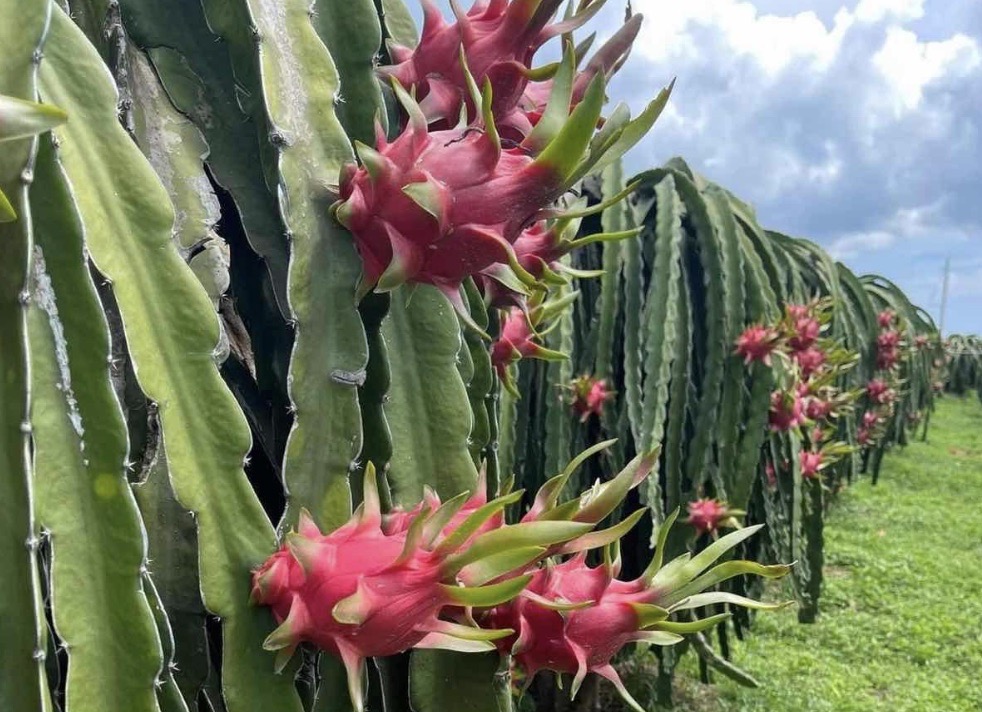
July to September is the primary dragon fruit season in Vietnam, with production concentrated in Binh Thuan province and supplementary growing areas across the south. Vietnam is the world's largest dragon fruit exporter, and the Q3 peak represents both the highest volume and the most competitive pricing environment for fresh and processed red and white dragon fruit.
Passion fruit, grown primarily in the Central Highlands around Da Lat, reaches its best quality during July to September. The altitude-influenced growing conditions cooler temperatures, higher rainfall, well-drained volcanic soils produce passion fruit with exceptional flavour intensity and high juice content. For brands targeting premium wellness-positioned dried fruit products, Da Lat passion fruit during this season represents one of Vietnam's finest raw materials.
Q4: Durian Off-Season and the Specialty Window in Vietnam's Fruit Calendar
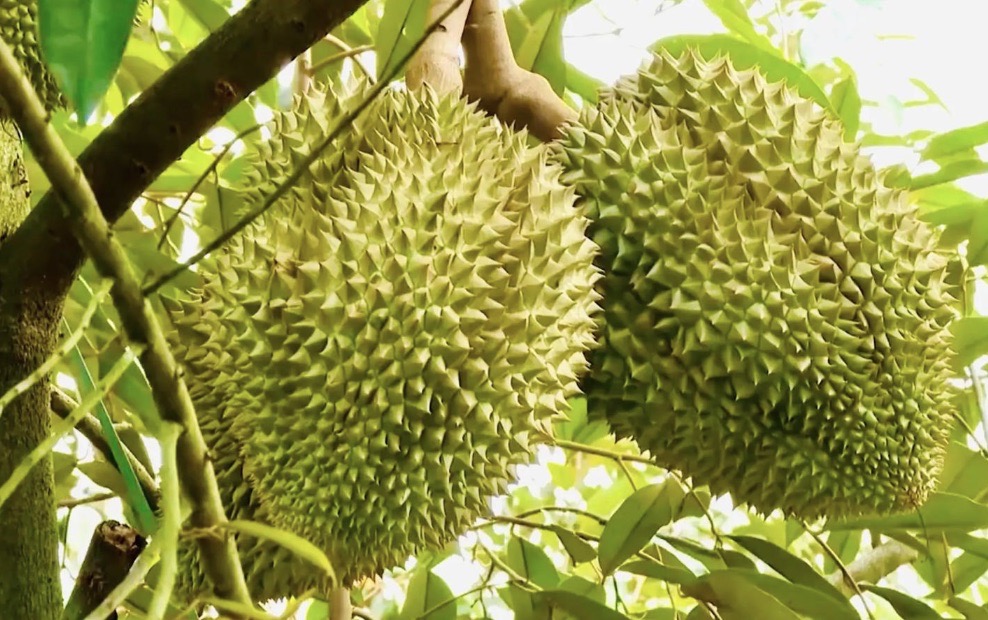
October to November sees Vietnam's Central Highlands durian crop reach maturity delivering a second durian window from the elevated growing zones of Dak Lak and Lam Dong provinces. The off season fruit commands a premium of 20-40% above main season Mekong Delta prices, reflecting lower volume and higher production costs from grafted flowering techniques.
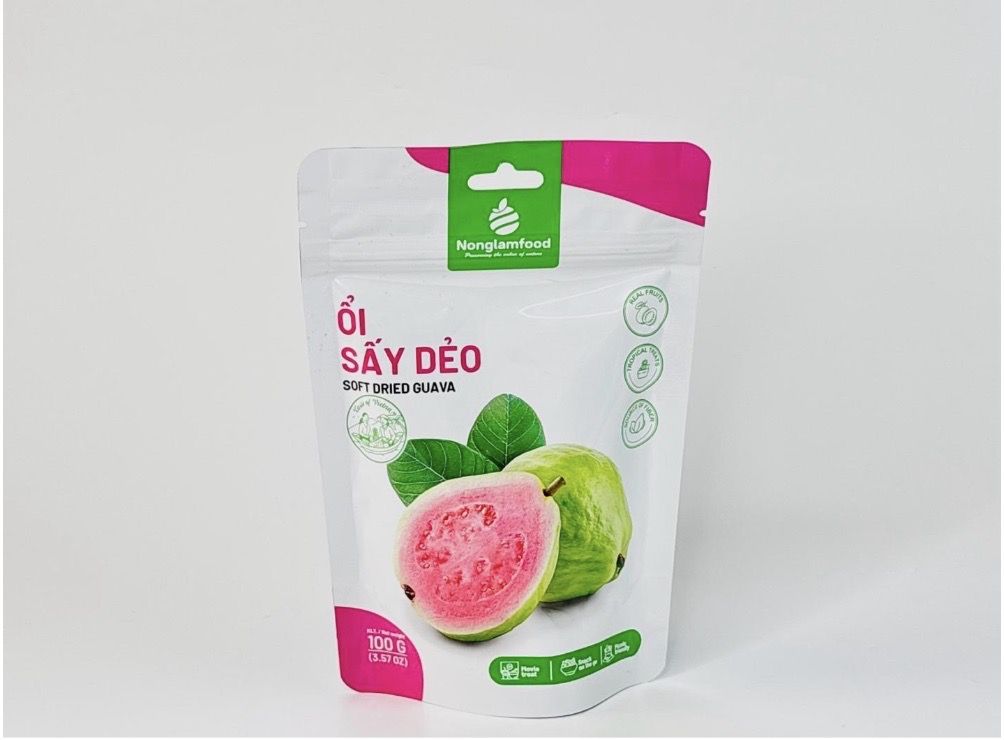
For buyers of soursop, guava, papaya, and aloe vera in dried format, Q4 represents good raw material availability with less sourcing competition than the main season across most categories. Processors who are not occupied with durian contracts are often more responsive to smaller volume inquiries and custom product development discussions during this period.
From Fruit Season in Vietnam to Year Round Dried Supply
The most practically important implication of understanding fruit season in Vietnam for international buyers is the role of dried fruit as a seasonal bridge. Fresh fruit is seasonal; dried fruit is not. A buyer who works with a Vietnamese dried fruit processor to convert peak-season raw material into finished product inventory can maintain year-round supply continuity regardless of what the fresh fruit calendar is doing in any given month. This is the strategic logic that underlies most successful long term partnerships between international brands and Vietnamese dried fruit manufacturers.
The brand commits to forward volume; the processor secures raw material allocation during peak season; the buyer receives consistent product supply twelve months a year at pricing set during the competitive sourcing window. Nong Lam Food's approach to this seasonal cycle is built around the two-stage heat pump drying process, a method specifically chosen to preserve the quality of peak-season raw material through the production process rather than degrading it through aggressive thermal treatment. The result is that dried mango produced from March to June peak-season Cat Chu mango retains the natural colour, aroma, and limited-sugar character of the fresh fruit it came from, twelve months after the harvest window has closed.
Practical Sourcing Tips Based on the Fruit Season in Vietnam Calendar
- Book processing capacity 2-3 months ahead of target season: For mango, this means January - February commitments for March - June processing. For dragon fruit, May commitments for July - September processing. Processors who are popular with quality-conscious buyers fill their capacity early.
- Understand first-crop vs. second-crop quality differences: Main season (first crop) fruit consistently delivers better Brix levels, more uniform colour, and better processing yield than off-season (second crop) equivalents across most varieties. Budget accordingly when planning product positioning.
- Plan container bookings 6-8 weeks ahead of required arrival: EU and North American transit times plus customs clearance requirements mean that goods needed in European distribution centres in September should be produced and booked for shipping in July at the latest.
- Use the off-season for product development: The November-February period, when fresh fruit volume is lower and processors have more capacity flexibility, is the ideal time for R&D work developing custom coating flavours, testing new packaging formats, or trialling new fruit varieties for your product range.
- Build seasonal forecast accuracy over multiple years: Vietnam's fruit seasons shift 2-4 weeks year to year based on rainfall and temperature. Partners who track seasonal timing across multiple years and communicate proactively when weather is affecting harvest timing are the most valuable long-term sourcing relationships.
Conclusion: Fruit Season in Vietnam as a Competitive Sourcing Advantage
The fruit season in Vietnam calendar is one of the most complex and rewarding in the tropical fruit world. Its geographic diversity, overlapping regional harvest windows, and near year-round production across a range of varieties create conditions that well-informed buyers can leverage into consistent supply, quality differentiation, and pricing advantages that their competitors sourcing reactively from whatever is available at any given moment simply cannot access.
The transition from reactive to calendar-based sourcing is the single most impactful operational improvement available to international buyers of Vietnamese fruit and dried fruit products. It does not require large capital investment or complex infrastructure it requires knowledge, planning, and the right manufacturing partner.
Contact Nong Lam Food at vietnamdriedfruits.vn to discuss seasonal availability, processing capacity planning, and how to align your annual procurement calendar with Vietnam's fruit production cycle.
Related information
- Best Jackfruit Varieties: Nutrition, Flavour, and What Makes Each One Special
- How Are Dried Mangoes Made? Ensuring Texture and Flavor Retention
- Best Frozen Mango: What to Look for and Why Vietnam Dominates the Export Market
- List of Fruits High in Vitamin C: From Everyday Picks to Tropical Powerhouses
- How Are Dried Fruits Made? From Farm to Advanced Heat Pump Drying
- Dried Mango Preservation: How to Store It Right and Keep It at Its Best
PRODUCT CATEGORIES
NEWS

Partner with us to provide and elevate healthier food options while supporting sustainable agriculture with a passion to serve and a commitment to innovation. Together, we can improve the lives of disadvantaged farmers and generate a positive impact!

