




Dedicated Manufacturer and Exporter of Premium Dried Fruits, Natural Fruit Bars, and Flavored & Coated Nuts
- Home
- /
- Knowledge Hub
- /
- How Are Dried Fruits Made? From Farm to Advanced Heat Pump Drying
How Are Dried Fruits Made? From Farm to Advanced Heat Pump Drying
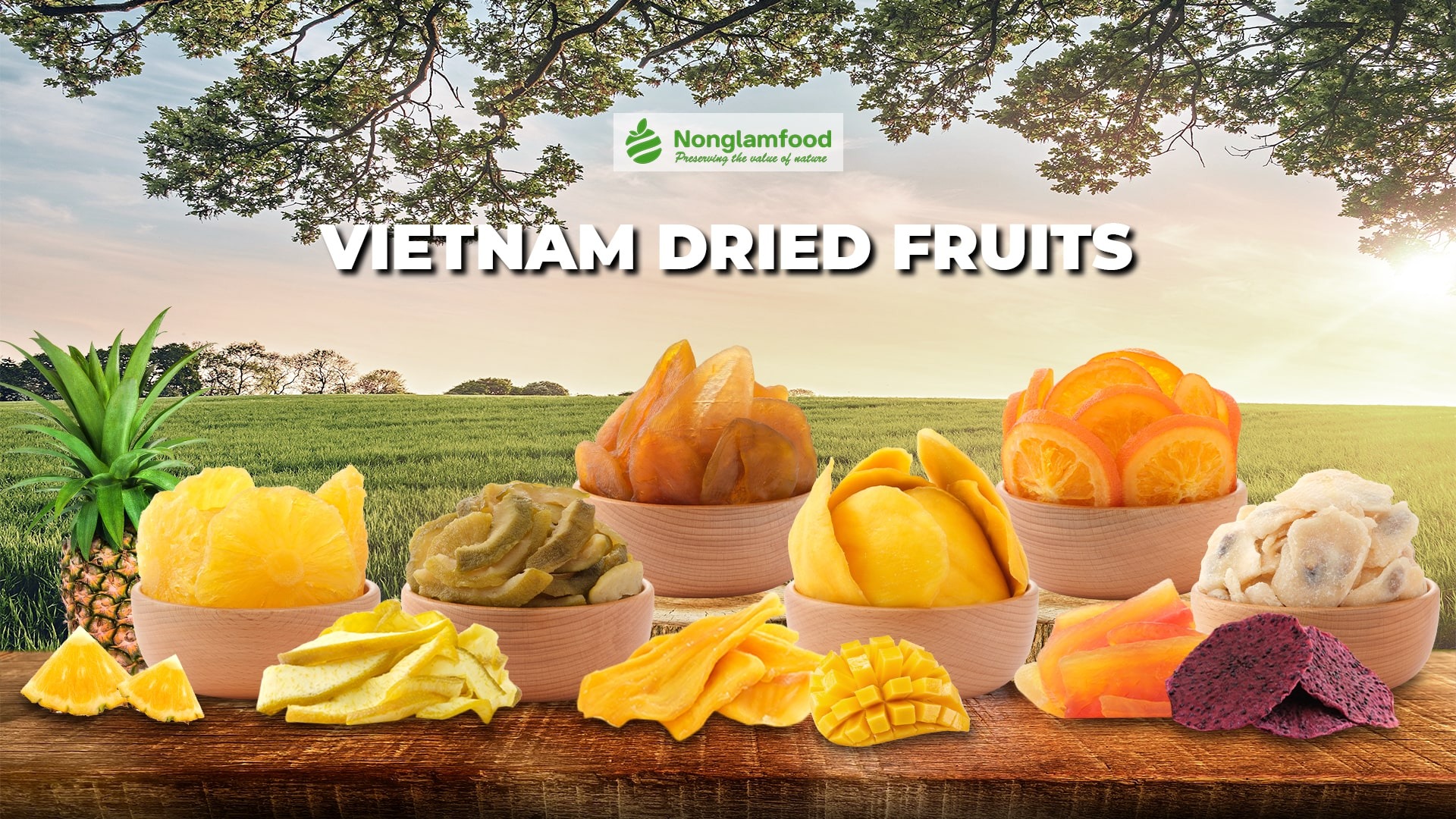
How are dried fruits made? The answer ranges from ancient sun-drying methods that humans have used for thousands of years to advanced heat pump technology that preserves nutrients, natural colour, and flavour in ways traditional methods simply cannot match. Understanding the production process and specifically what separates premium dried fruit from commodity-grade alternatives matters whether you are a buyer evaluating suppliers, a brand building a product line, or a curious consumer who wants to know what is actually in the bag.
The Science Behind How Dried Fruits Are Made: What Drying Actually Does
Drying is fundamentally a process of water removal. Fresh fruit contains 80-90% water by weight. Reducing that moisture content to 14-18% for soft-dried products or below 8% for shelf-stable chewy formats creates an environment where microbial growth cannot occur and enzymatic activity is dramatically slowed. This is measured as water activity (Aw): a value below 0.6 Aw is generally considered safe for long-term storage without refrigeration.
But the physics of how dried fruits are made involves more than simply removing water. Drying changes the fruit's texture through cell wall collapse and sugar concentration, intensifies flavour by concentrating volatile aromatic compounds, and critically changes the nutritional profile in ways that depend heavily on the temperature and method used.
This last point is where production method becomes a quality differentiator. High heat denatures heat-sensitive nutrients including Vitamin C and polyphenols. It also causes the Maillard reaction between sugars and amino acids the same process that browns bread crust which produces the caramel tones seen in poorly processed dried fruit. Understanding these mechanisms is the key to understanding why how dried fruits are made determines what you get.
How Dried Fruits Are Made: The Professional Production Process Step by Step
Commercial dried fruit production follows a structured sequence of steps. Each step has quality implications. Skipping or shortcutting any of them shows up in the finished product.
Step 1. Raw Material Selection: Quality Begins at the Farm
The single most important variable in dried fruit quality is the quality of the fresh raw material. At the procurement stage, processors grade incoming fruit for maturity (measured by Brix refractometer), size consistency, and the absence of bruising, fungal damage, or uneven ripeness. For dried mango, for example, the target is 80-90% ripeness: sweet enough for flavour concentration, firm enough to maintain cell structure during drying. Fruit that enters the process under-ripe will produce dried fruit that tastes sharp and lacks aroma. Overripe fruit breaks down during processing, producing mushy texture and fermented off-notes. The investment in raw material grading is never wasted.
Step 2. Washing, Pre-Treatment, and Slicing
Once accepted, fruit is washed in food-grade water to reduce surface microbial load. Pre-treatment options vary by fruit type and product specification. Ascorbic acid (Vitamin C) dipping is used to inhibit enzymatic browning the oxidation reaction that turns cut fruit brown on exposure to air. Brief blanching (exposure to heat for 30-60 seconds) is used for some varieties to deactivate enzymes while maintaining structural integrity.
Uniform slicing is one of the most critical preparation steps. Pieces of inconsistent thickness will dry unevenly: thinner pieces over-dry and become brittle while thicker pieces remain too moist in the centre a food safety concern. Industrial slicing machines produce consistent 5-8mm cross-sections for soft-dried formats, or 3-4mm for crispier textures.
Step 3. Limited Sugar Infusion (Where Applied)
For tropical fruits including mango, pineapple, and papaya, a controlled sugar infusion step is used to improve texture, palatability, and moisture barrier properties. This is an osmotic process: the fruit is immersed in a sugar solution, and sugar molecules diffuse into the fruit tissue as water molecules move out partially pre-dehydrating the fruit while improving its finished texture. The key variable here is the concentration and duration of the sugar infusion. High-sugar approaches produce a confectionery-style dried fruit sweet, dense, and very stable, but far from the natural fruit character. The approach used by quality-focused producers applies limited sugar addition: just enough to achieve good texture without masking the fruit's intrinsic flavour.
Step 4. Drying: Where Dried Fruits Are Made or Broken
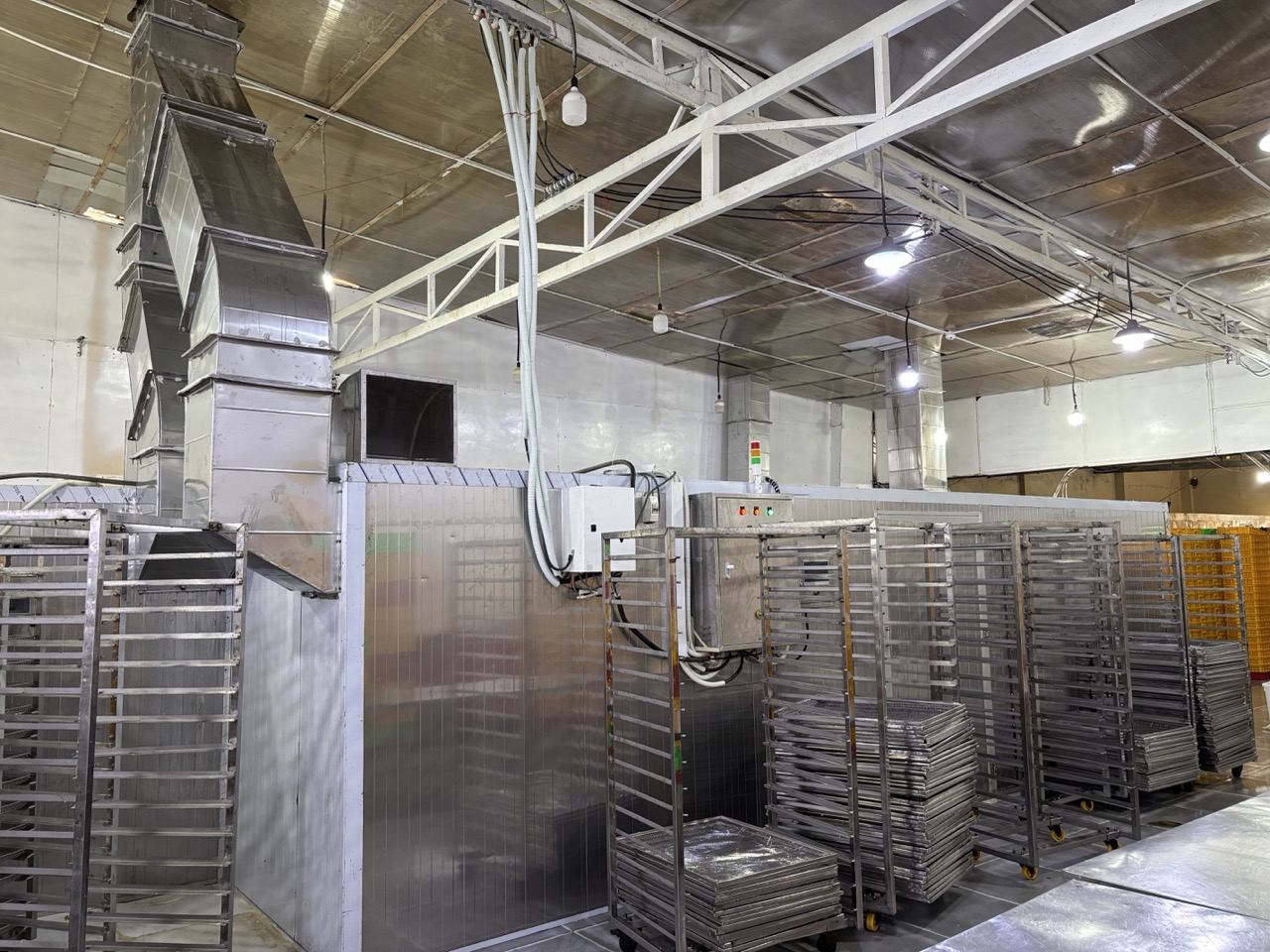
The drying stage is the longest, most energy-intensive, and most quality-critical step in the entire process. This is where the difference between conventional processing and advanced technology becomes decisive. In conventional hot-air drying, heated air at 65-80°C is circulated through the drying chamber continuously from start to finish. This is effective at removing water, but the sustained high temperature causes progressive nutrient degradation, colour browning, and loss of volatile aromatic compounds particularly in the latter stages of drying when free water has been removed and product temperature begins to rise toward the air temperature.
Step 5. Quality Control, Tempering, and Packaging
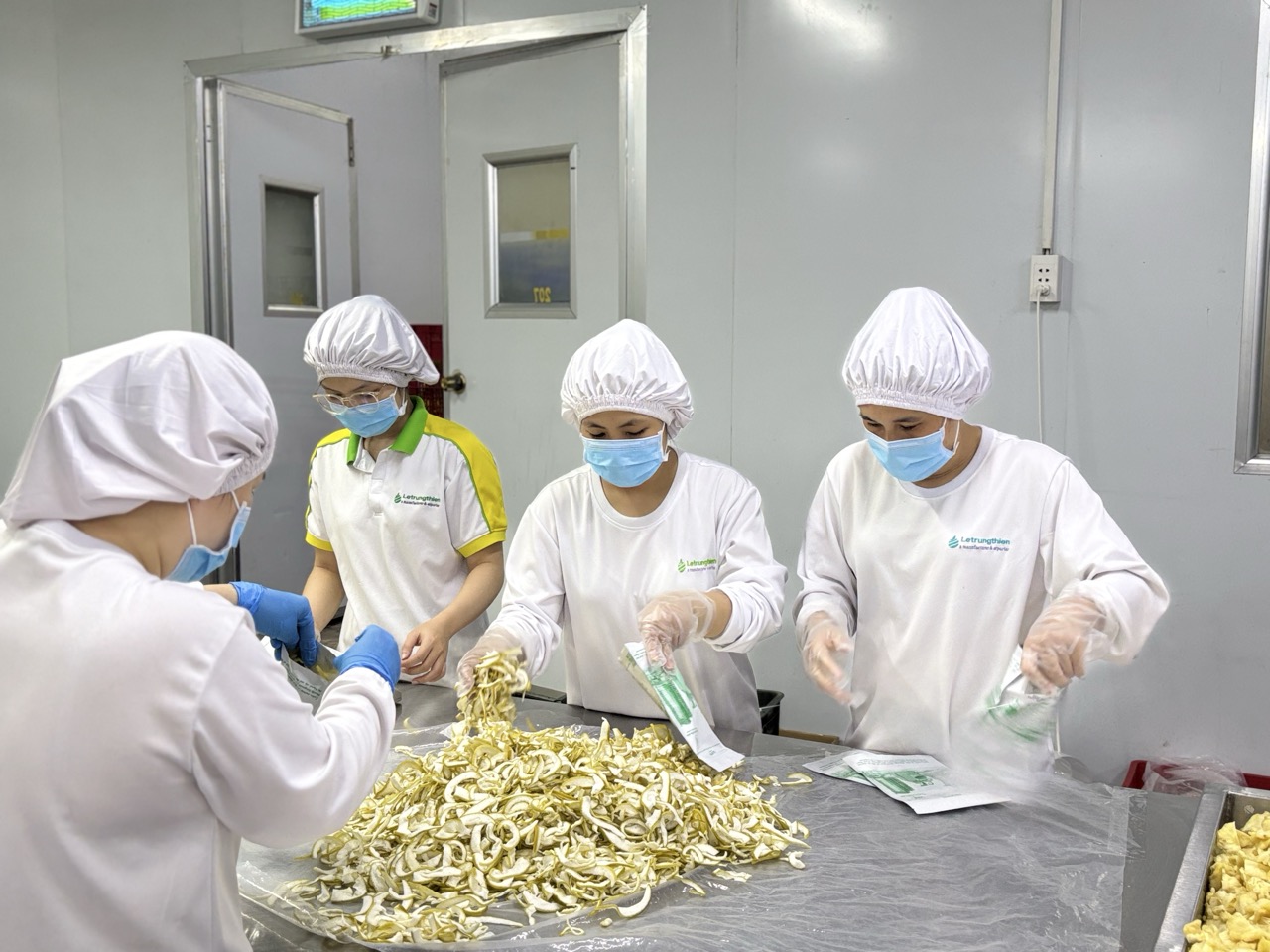
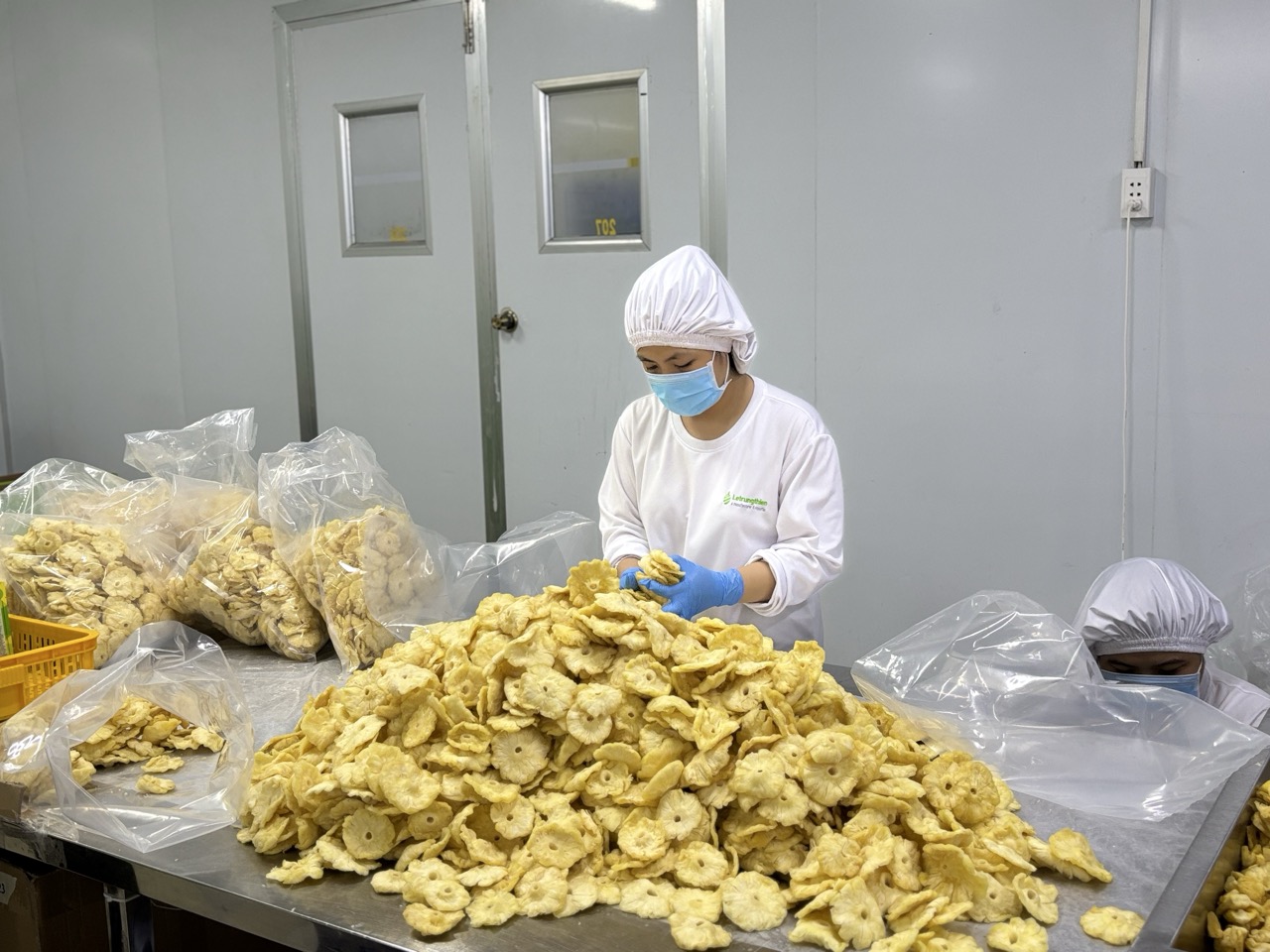
After drying, the product undergoes a tempering period typically 12–24 hours spread on trays to allow residual moisture to redistribute evenly across the batch. Without this step, the surface of dried fruit pieces may feel dry while the interior retains excess moisture, creating an inconsistency that affects both texture and shelf life. Quality checks at this stage include moisture content measurement, colour grading (visual or spectrophotometric), texture assessment, and microbiological testing. Products meeting specification are packaged in moisture-barrier pouches often with nitrogen flushing or modified atmosphere to extend shelf life and labelled with full nutritional data, best-before dates, and origin traceability information.
Heat Pump Drying: The Technology That Changes How Dried Fruits Are Made
Heat pump drying represents the most significant technological advance in dried fruit production of the past two decades. To understand why it matters, it helps to understand the physics of what happens inside a drying chamber as moisture is removed. Think of a standard refrigerator: it moves heat from inside the cabinet (cold) to the room outside (warm). A heat pump dryer operates on the same thermodynamic principle in reverse it moves heat energy to create a drying environment, while simultaneously using a condensing coil to remove moisture from the drying air.
This is the crucial innovation: by removing humidity from the air before it contacts the product, the dryer can operate at much lower temperatures than conventional hot-air systems. In practice, this enables the two-stage drying process that defines how premium dried fruits are made at Nong Lam Food and other technology-forward producers.
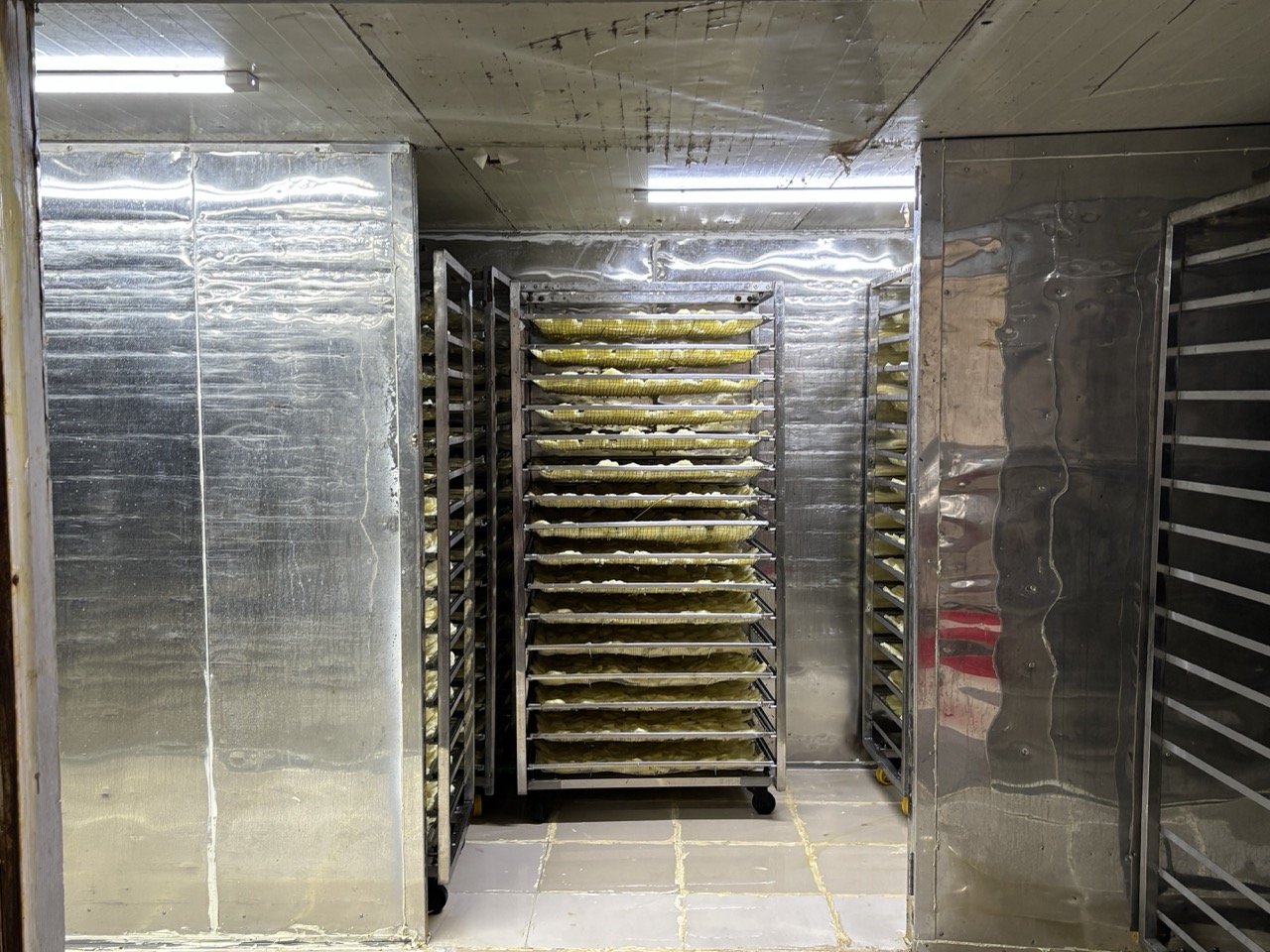
| Drying Stage | Temperature | What Happens | Why It Matters |
|---|---|---|---|
| Stage 1. Free Water Removal | 60-65°C | Free water (surface and cellular water) evaporates rapidly. Evaporation is endothermic it absorbs heat so product temperature stays well below air temperature. | Same as conventional drying at this stage. No quality risk because the evaporative cooling effect protects the product from heat damage. |
| Stage 2. Bound Water Removal | 25-30°C (Heat Pump) | Remaining moisture is tightly bound within plant tissue. Evaporation is slow. Without temperature reduction, product temperature would rise to air temperature causing heat damage. | This is where heat pump technology is decisive. 25-30°C protects Vitamin C, polyphenols, natural colour pigments, and volatile aromatic compounds that would be destroyed at higher temperatures. |
| Conventional drying (for comparison) | 65-80°C (all stages) | Temperature is maintained throughout. In Stage 2, product temperature rises toward air temperature as evaporative cooling diminishes. | Progressive nutrient loss, Maillard browning, reduced colour vibrancy, and weakened aroma visible as the pale, brown-toned colour of mass-market dried fruit. |
How Nong Lam Food Makes Dried Fruits: The 'Preserving the Value of Nature' Principle
At Nong Lam Food, every processing decision is evaluated against a single guiding principle: Preserving the Value of Nature. This means applying exactly the intervention needed no more to deliver a shelf-stable, safe, great-tasting product while keeping the fruit's natural characteristics as intact as possible. The two-stage heat pump drying process is the most visible expression of this principle.
The practical result is dried mango with deep amber-golden colour, fresh mango aroma, and soft texture not the pale, over-sweetened product common in the commodity market. The same process is applied across the full range: dried pineapple, passion fruit, papaya, dragon fruit, soursop, guava, jackfruit, and aloe vera. Limited sugar addition reinforces this approach. Sugar is used in controlled quantities to achieve good texture and mouth feel not to mask poor raw material quality or compensate for aggressive drying. Customers consistently notice the difference between this approach and the heavily sugared products that dominate lower-price segments.
How to Tell How Well Dried Fruits Were Made: Quality Indicators to Look For
When evaluating any dried fruit product — whether you are a retail buyer, an importer, or a consumer — these visible quality signals reveal a great deal about the production process:
| Quality Indicator | What Good Looks Like | What to Avoid |
|---|---|---|
| Colour | Vibrant, natural fruit colour: golden-amber for mango, bright yellow for pineapple, deep pink-red for dragon fruit | Pale, brown, or grey tones signs of heat damage or oxidation during processing |
| Texture | Soft, pliable, slightly tacky bends without snapping cleanly | Brittle and hard (over-dried) or excessively sticky/wet (under-dried or over-sugared) |
| Ingredient list | Fruit + limited sugar (if any) + ascorbic acid (colour protection) | Long ingredient list with glucose syrup, artificial colours, flavourings, sulphite preservatives |
| Added sugar | Less than 10–12g added sugar per 100g | More than 20g added sugar these products are closer to confectionery than dried fruit |
| Aroma | Strong, recognisable fruit aroma when the bag is opened | Little to no aroma indicates volatile compounds were lost during high-temperature drying |
Conclusion: How Dried Fruits Are Made Is the Product You Receive
The answer to how are dried fruits made is not a single process it is a spectrum of choices, from the raw material grade and pre-treatment approach through to the drying temperature and packaging method. At every stage, the decisions made by the producer determine the colour, flavour, nutritional value, and shelf life of the finished product.
For buyers and brands who want to differentiate on quality, the most important question is not what the product looks like on the shelf it is what happened in the drying room. The colour, texture, and aroma of a well-made dried fruit are the visible record of a process done right.
Interested in how Nong Lam Food's two-stage heat pump drying process translates into product quality? Explore our full dried fruit range at vietnamdriedfruits.vn or contact our team to request samples and full production specifications.
Related information
- Best Frozen Mango: What to Look for and Why Vietnam Dominates the Export Market
- Vietnam Durian Seasons Explained: When to Source the Best Quality
- Fruits Containing High Fibre: A Complete Guide to the Best Dietary Sources
- Dried Mango Preservation: How to Store It Right and Keep It at Its Best
- The Ultimate Fruit Season in Vietnam Calendar for B2B Importers
- Exploring Different Types of Dry Fruits: A Portfolio for Retailers
PRODUCT CATEGORIES
NEWS

Partner with us to provide and elevate healthier food options while supporting sustainable agriculture with a passion to serve and a commitment to innovation. Together, we can improve the lives of disadvantaged farmers and generate a positive impact!

