




Dedicated Manufacturer and Exporter of Premium Dried Fruits, Natural Fruit Bars, and Flavored & Coated Nuts
- Home
- /
- Knowledge Hub
- /
- How Do They Freeze Dry Fruit and How Does It Compare to Heat Pump Drying?
How Do They Freeze Dry Fruit and How Does It Compare to Heat Pump Drying?
How do they freeze dry fruit? The process known scientifically as lyophilization is one of the most sophisticated food preservation methods ever developed, and it produces a uniquely light, crispy product with remarkable nutrient retention and a shelf life measured in years rather than months. But freeze drying is not always the right answer, and understanding how it compares to advanced heat pump drying technology clarifies which method serves which commercial purpose best.
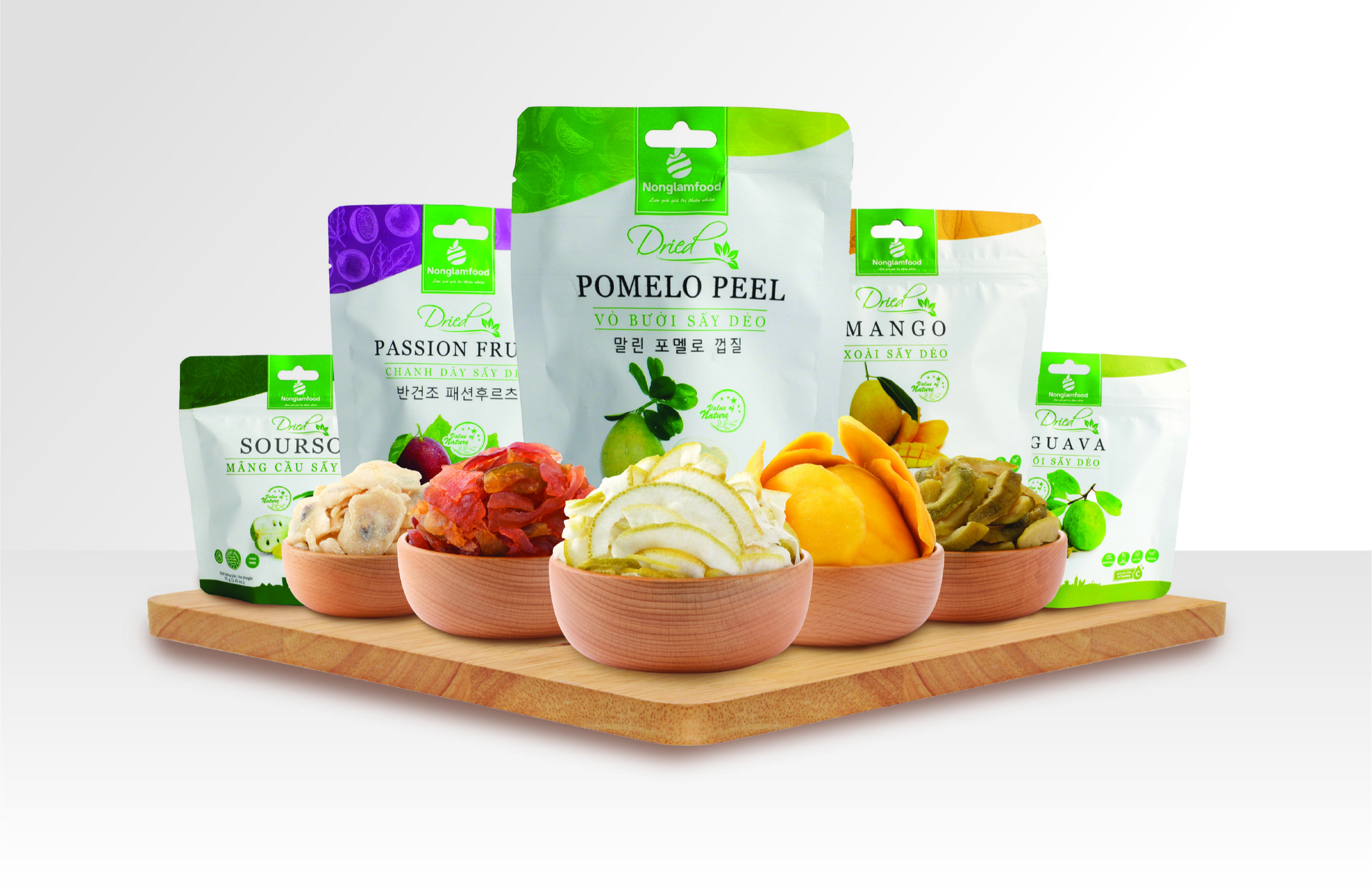
What Freeze Drying Is, and Why How They Freeze Dry Fruit Is Unlike Any Other Method
Every other fruit drying method sundrying, hot-air drying, heat pump drying, even air fryer dehydration removes water from fruit by converting liquid water to vapour through the application of heat. Freeze drying is fundamentally different: it removes water by converting ice directly to vapour, bypassing the liquid phase entirely.
This process sublimation is the same phenomenon that makes dry ice disappear without leaving a puddle. Pack dry ice in a box and it converts directly from solid to gas, leaving no liquid residue. Freeze drying applies the same thermodynamic principle to the water content of frozen fruit, under precisely controlled vacuum conditions that make sublimation occur efficiently at low temperatures.
Key scientific distinction: In freeze drying, the water in the fruit never becomes liquid during removal. This is why freeze-dried fruit retains its original shape, colour, and cell structure with extraordinary fidelity the ice skeleton that forms during freezing acts as a structural scaffold that maintains the fruit's geometry as it is progressively removed.
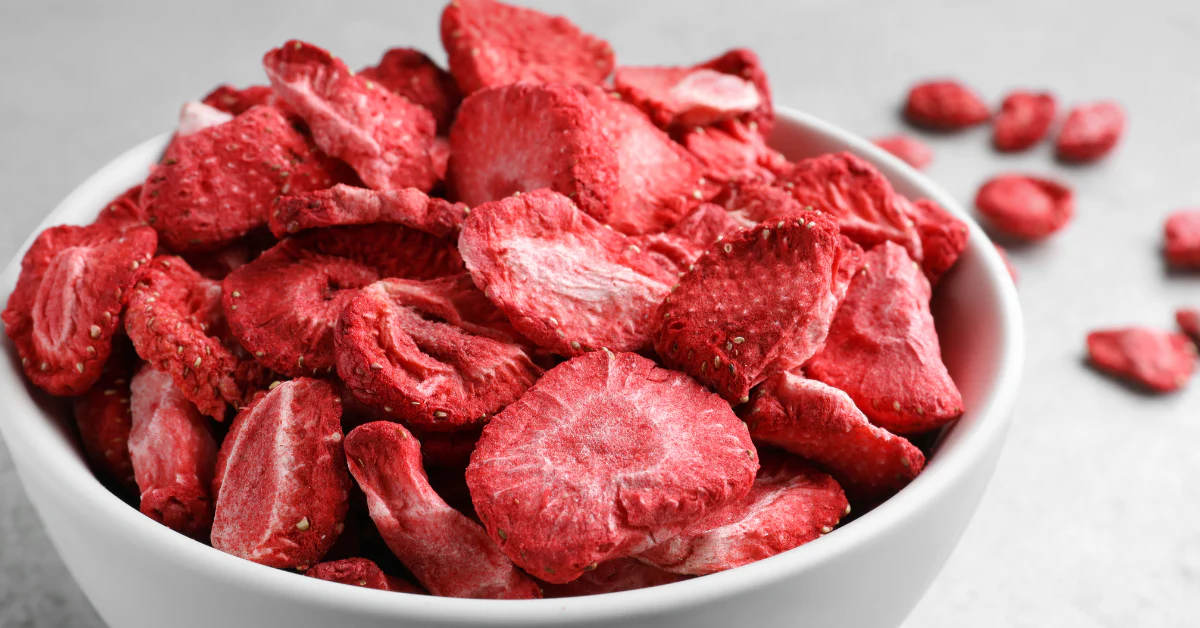
How Do They Freeze Dry Fruit? The Three-Phase Process Explained
Phase 1. Freezing: Preparing the Fruit for Sublimation
The fruit is prepared washed, sliced, and arranged on trays and then frozen to a temperature of -40 degrees C or below. The speed of freezing matters: rapid freezing creates smaller ice crystals within the fruit cells. Smaller crystals cause less physical damage to the cell walls during sublimation, producing a better-textured final product that rehydrates more completely and retains more of its original flavour compounds.
This is why commercial freeze-drying facilities use blast freezing tunnels rather than conventional cold rooms: the faster the freeze, the better the structural outcome in the finished product.
Phase 2. Primary Drying: Sublimation (The Core of How They Freeze Dry Fruit)
The frozen fruit is loaded into a vacuum chamber, and the pressure inside is reduced to below 0.006 atmospheres roughly 600 times lower than normal atmospheric pressure. At this extreme low pressure, ice converts directly to water vapour without passing through the liquid phase. The vapour is drawn away from the product by the vacuum system and condensed on refrigerated coils within the chamber.
During primary drying, the fruit visibly loses its frozen appearance and takes on the shape and colour of fresh fruit but completely dry. The structural scaffold provided by the ice has been removed molecule by molecule while the cell walls, colour pigments, and aromatic compounds remain intact. This phase removes approximately 95% of the total water content and typically takes 20-35 hours depending on the fruit type and slice thickness.
.jpeg)
Phase 3. Secondary Drying: Removing Residual Bound Moisture
After primary drying, a small percentage of water molecules remain adsorbed onto the surfaces of the product's internal structure tightly bound and resistant to sublimation. Secondary drying raises the product temperature slightly (still well below ambient typically -10 to +20 degrees C depending on the product) while maintaining the vacuum, removing these final bound water molecules.
The target final moisture content for freeze-dried fruit is typically 1%-3% far lower than any other commercial drying method achieves. This extremely low moisture content is the primary reason for freeze-dried fruit's exceptional shelf life: at 1-3% moisture, microbial growth is completely impossible and chemical degradation reactions proceed at an infinitesimally slow rate.
What Makes Freeze Dried Fruit Distinctive: The Results of How They Freeze Dry Fruit
- Perfect shape and colour retention: A freeze-dried mango slice looks like a fresh mango slice same shape, same vibrant golden colour, same cell structure visible to the naked eye. No other drying method comes close to this fidelity of preservation.
- Airy, crispy texture: The removal of the ice scaffold leaves behind a porous, lightweight structure. Freeze-dried fruit has a texture unlike any other dried fruit it dissolves almost instantly in the mouth, releases flavour rapidly, and has a satisfying crispy crunch. This is fundamentally different from the chewy texture of heat pump or conventionally dried fruit.
- Superior nutrient retention: Because water is removed at low temperatures without the thermal damage of any heat-based method, heat-sensitive nutrients including Vitamin C and polyphenols are preserved at levels approaching those of fresh fruit.
- Extraordinary shelf life: Properly packaged freeze-dried fruit (moisture-barrier packaging, oxygen absorber, cool storage) has a shelf life of 25+ years in industrial applications. For retail purposes, 18-36 months is a reasonable expectation in standard resealable pouches.
- Rehydration: Add water to freeze dried fruit and it absorbs liquid rapidly and almost completely, returning to near-fresh texture and flavour. This makes it valuable in food service, baking, and beverage applications.
Freeze Dried Fruit vs. Heat Pump Dried Fruit: An Honest Comparison
Understanding the genuine differences between these two premium drying technologies helps buyers, brand owners, and product developers make informed choices about which method best serves their specific application.
| Factor | Freeze-Dried Fruit | Heat Pump Dried Fruit |
|---|---|---|
| Texture | Crispy, airy, dissolves in mouth unique sensory experience | Soft, chewy, pliable familiar dried fruit texture consumers expect |
| Nutrient retention | Highest of all methods approaches fresh fruit levels | Significantly better than conventional hot air; good Vitamin C and polyphenol preservation at Stage 2 (25-30 degrees C) |
| Colour and appearance | Perfect fresh fruit colour and shape reproduction | Deep natural colour better than conventional; not as precise as freeze-dry |
| Shelf life | 18-36 months retail; 25+ years industrial (sealed, with oxygen absorber) | 12-18 months in moisture-barrier packaging |
| Production cost | Equipment: USD 500K-5M. Energy: 8-15 kWh per kg dried product | Equipment: significantly lower. Energy: 1-3 kWh per kg dried product |
| Retail price | 2-4x premium over heat pump dried equivalents | Accessible retail price competitive in mainstream health food segment |
| Best applications | Premium supplements, military and emergency food, hiking food, high value specialty fruit (durian, mangosteen, strawberry) | Retail snacking, gifting, export, food service ingredients, smoothie use |
| Rehydration | Rehydrates almost completely in water | Partial rehydration suitable for eating dry, not for rehydration applications |
Which Fruits Benefit Most From How They Freeze Dry Fruit?
Not all fruits are equally well suited to freeze drying. The method's economics mean it is typically reserved for high value fruits where the retail premium justifies the production cost:
- Durian: The most commercially significant freeze dried fruit in Southeast Asian export markets. Freeze dried durian chips retain the characteristic aroma and flavour that makes durian both beloved and notorious without the messy fresh fruit experience. Strong demand from Chinese consumers drives a premium market.
- Mangosteen: The Queen of Fruits freeze-dries beautifully the white flesh retains its appearance, the delicate flavour is preserved with exceptional fidelity, and the xanthone antioxidant content survives the process well. A premium format for a premium fruit.
- Strawberry and raspberry: The most widely freeze dried fruits in Western markets. Freeze dried berries are used extensively in breakfast cereals, supplement powders, and premium snack mixes.
- Mango: Both freeze dried and heat pump dried mango produce excellent products, but for different applications. Freeze dried mango chips command a retail premium; heat pump dried mango slices deliver comparable quality at an accessible price point for everyday snacking.
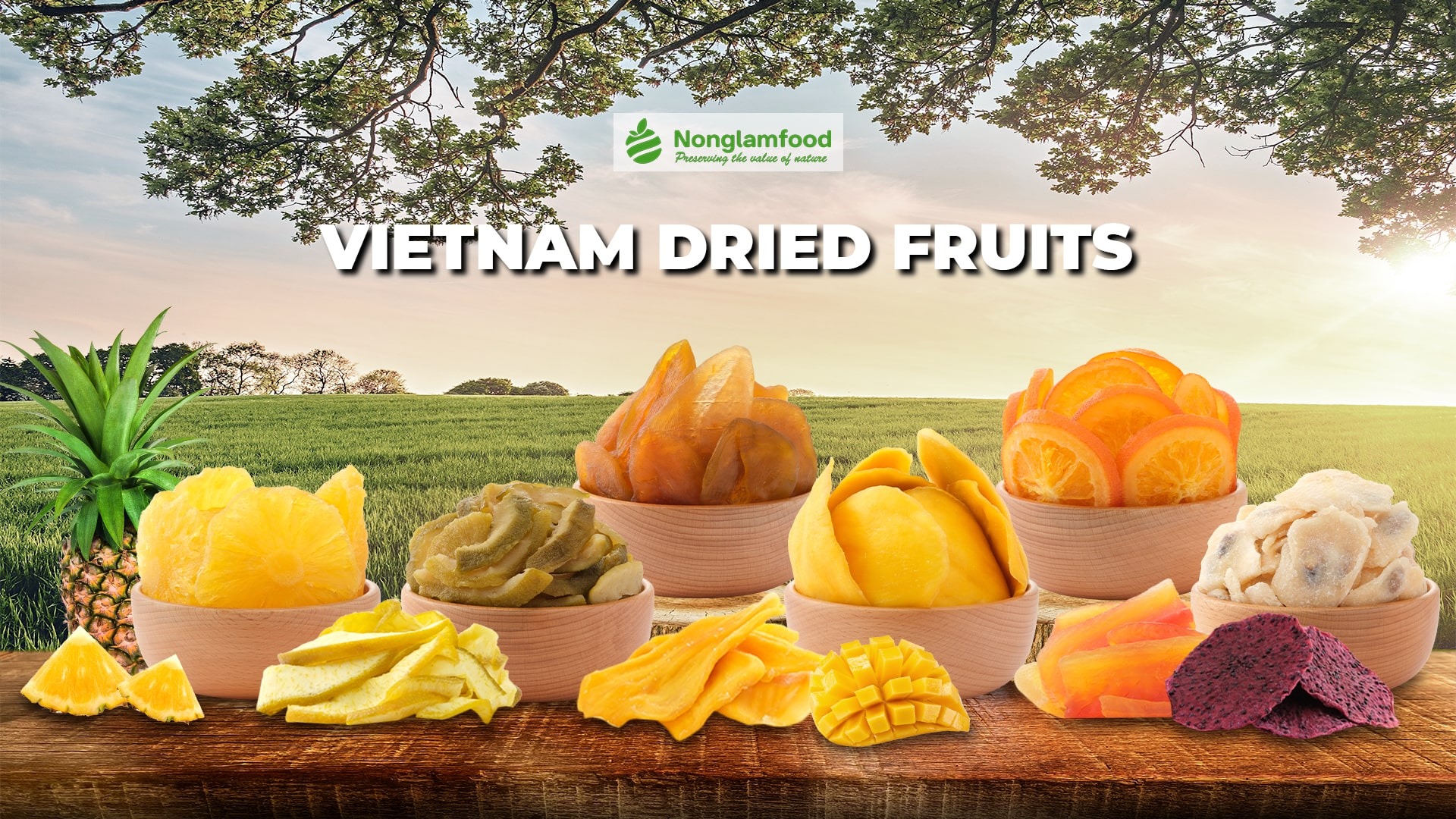
Nong Lam Food's Choice: Heat Pump Drying as the Optimal Retail Solution
Nong Lam Food applies two-stage heat pump drying rather than freeze drying as the primary production technology for its retail dried fruit range. The reasoning is grounded in the specific needs of the target market: retail consumers and B2B buyers who want premium quality at accessible price points, in familiar soft dried textures, with 12-18 month shelf life suitable for international distribution.
The two-stage process: Stage 1 at 60-65 degrees C (free water removal) and Stage 2 at 25-30 degrees C via heat pump condensation (bound water removal), delivers the critical Stage 2 advantage that distinguishes premium quality from conventional processing: better colour retention, stronger natural aroma, and significantly better nutrient preservation than hot-air drying, at a production economics that makes competitive retail pricing viable.
For specific applications where freeze dried quality is genuinely required high-value specialty fruits for premium e-commerce, ingredient supply for supplement manufacturers, or products where the unique crispy texture is a core product attribute Nong Lam Food can guide buyers toward appropriate specialist processors for those formats.
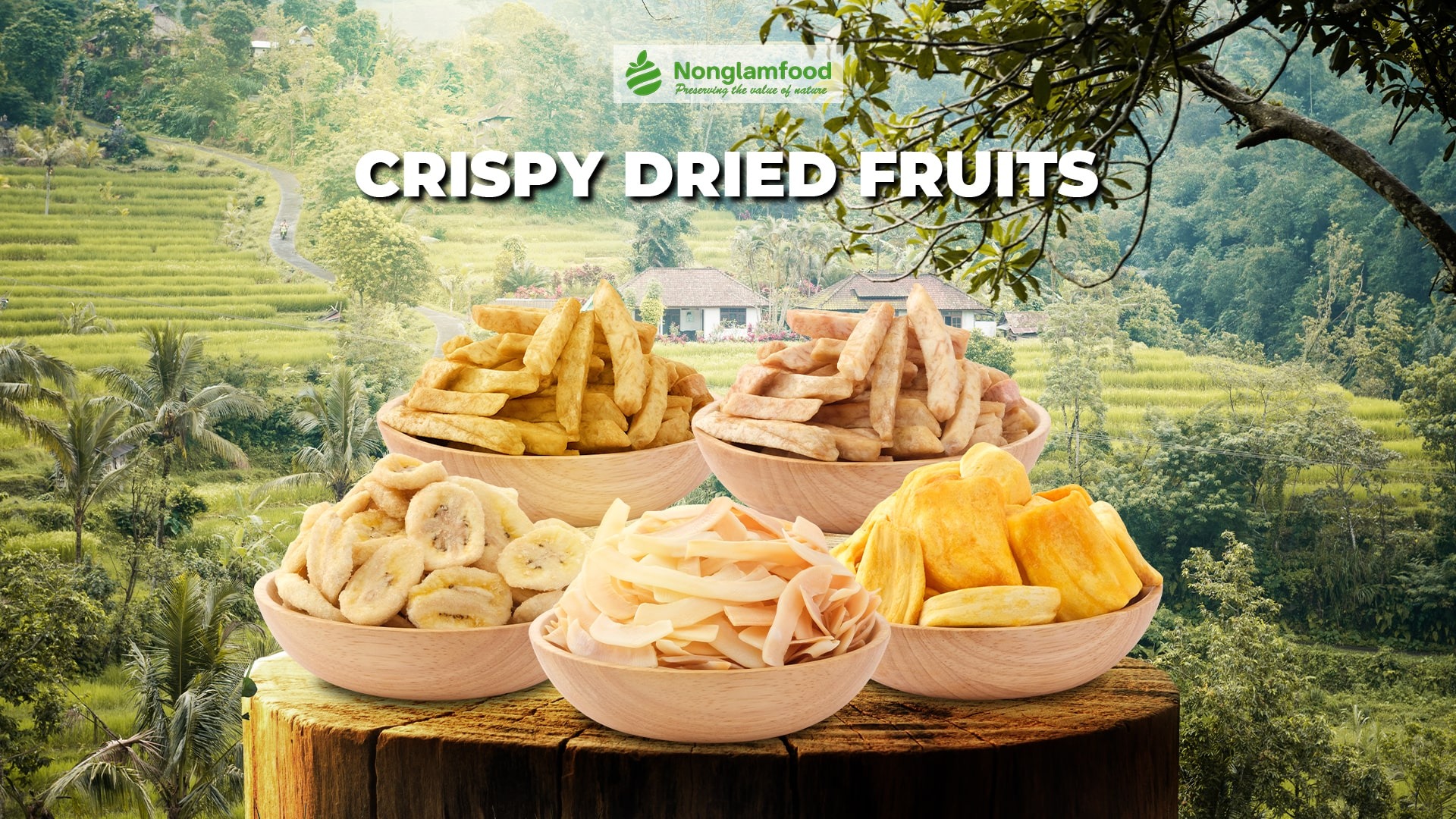
Conclusion: How Do They Freeze Dry Fruit and Which Method Wins?
The answer to how do they freeze dry fruit is a sophisticated three phase process freezing, sublimation under vacuum, and secondary desorption that produces a genuinely unique product with outstanding nutrient retention, perfect colour fidelity, and shelf life measured in decades. It is the most technologically impressive fruit drying method available, and for specific applications it remains unmatched.
But freeze-drying is not always the right answer. The texture difference crispy and dissolving vs. soft and chewy is a genuine product difference, not simply a quality gradient. The 2-4x retail price premium is real and not always commercially appropriate for the target consumer. Heat pump drying at 25-30 degrees C in Stage 2 delivers exceptional quality at accessible price points and for the retail snacking, gifting, and food service markets where most dried fruit is consumed, it is often the better commercial choice.
Explore Nong Lam Food's heat pump dried tropical fruit range at vietnamdriedfruits.vn - premium quality at retail accessible pricing. Request samples to see and taste the difference that Stage 2 drying at 25-30 degrees C makes.
Related information
- Brown Coconut Benefits: Green vs Brown Coconut Nutrition Explained
- Best Fruit to Dehydrate in an Air Fryer, and Why Industrial Drying Wins
- Best Jackfruit Varieties: Nutrition, Flavour, and What Makes Each One Special
- How to Make Dried Pineapple: Preserving Color, Texture & Natural Flavor
- Choosing a Reliable Dry Fruit Company for OEM and Bulk Supply
- Dry Fruit Smoothie Recipes and Why Quality Dried Fruit Makes All the Difference
PRODUCT CATEGORIES
NEWS

Partner with us to provide and elevate healthier food options while supporting sustainable agriculture with a passion to serve and a commitment to innovation. Together, we can improve the lives of disadvantaged farmers and generate a positive impact!

