




Dedicated Manufacturer and Exporter of Premium Dried Fruits, Natural Fruit Bars, and Flavored & Coated Nuts
- Home
- /
- Knowledge Hub
- /
- Dried Mango Preservation: How to Store It Right and Keep It at Its Best
Dried Mango Preservation: How to Store It Right and Keep It at Its Best
Dried mango preservation is simpler than most people assume but getting it right makes the difference between a product that stays golden, aromatic, and delicious for 12 months and one that turns sticky, dull, and flavourless within weeks of opening. Whether you are storing a personal snack purchase or managing B2B inventory for retail distribution, the same food science principles apply and understanding them saves money, reduces waste, and delivers a consistently better eating experience.
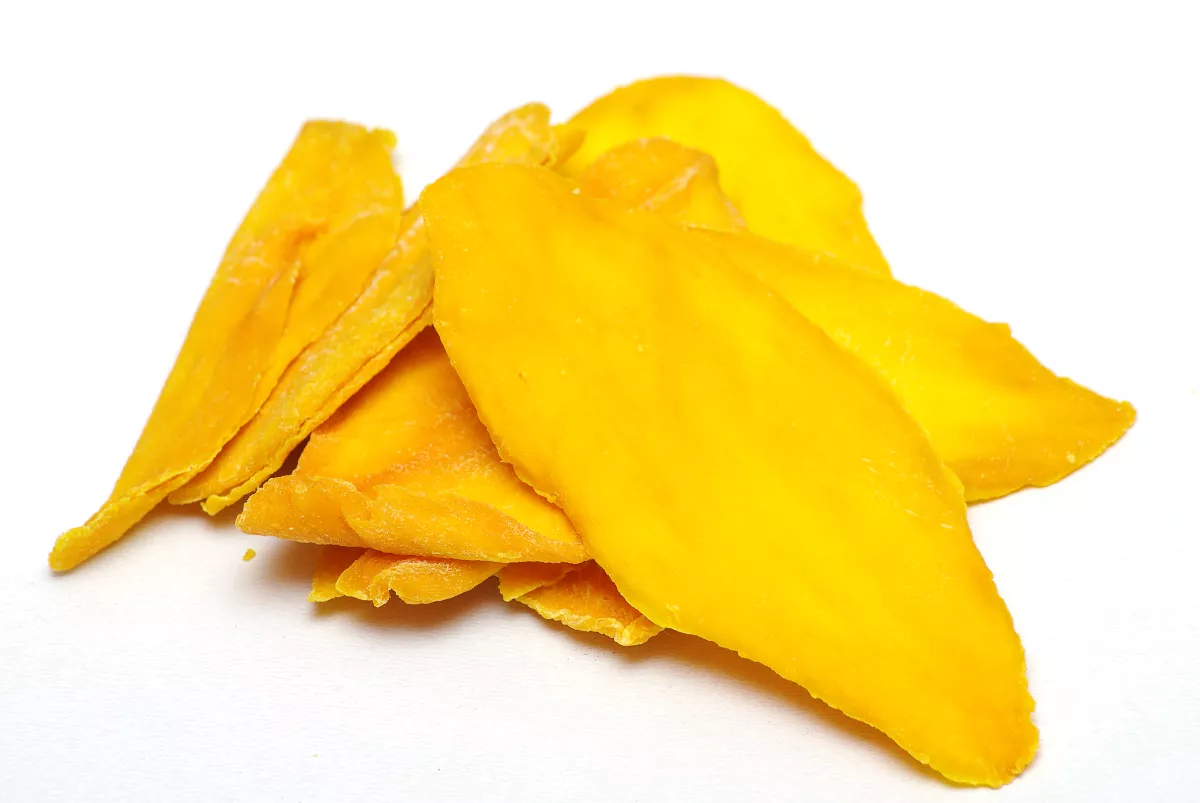
1. How Long Does Dried Mango Last? Shelf Life by Format and Storage Condition
The first variable that determines how long dried mango lasts is the moisture content of the product which varies by intended format and production standard:
| Format & Storage Condition | Expected Shelf Life | Key Variable |
|---|---|---|
| Sealed commercial packaging soft-dried (14–18% moisture) | 12-18 months from production | Moisture-barrier packaging quality and nitrogen flushing |
| Sealed commercial packaging chewy/storage format (<8% moisture) | 18-24 months from production | Lower starting moisture = longer ambient shelf life |
| Opened, room temperature in original packaging | 4-8 weeks | Moisture ingress and oxidation begin immediately on opening |
| Opened, airtight glass jar at room temperature | 6-10 weeks | Better than original bag if fully sealed after each use |
| Opened, refrigerated in airtight container | 3-6 months post-opening | Temperature significantly slows all spoilage mechanisms |
| Frozen in sealed moisture-barrier bag | 12+ months | The most effective long-term preservation method |
| Home-dried mango (oven or dehydrator) | 3-6 months at room temperature | Moisture content less controlled than commercial production |
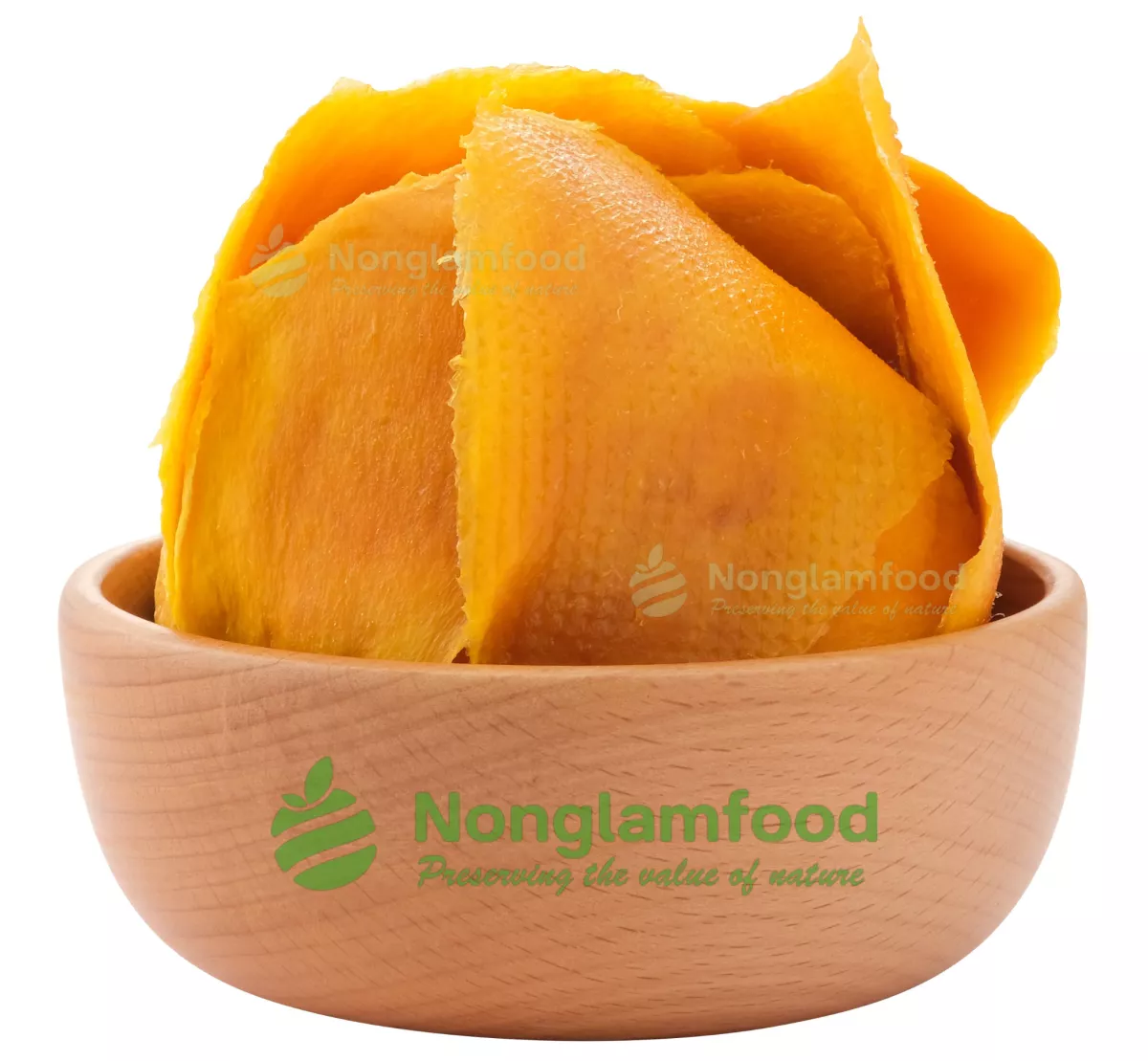
2. Dried Mango Preservation at Home: Step-by-Step Best Practice
- Step 1. Cool before storing: Never package dried mango that is still warm from the dehydrator, oven, or air fryer. Warm dried fruit creates condensation inside the storage container this condensation adds moisture back to the product and dramatically shortens its shelf life. Cool completely on a wire rack for 30–60 minutes before any packaging.
- Step 2. Choose the right container: Airtight glass jar with a rubber-sealed lid is the optimal home storage vessel glass does not absorb odours or moisture, and a good seal is achievable with each use. Resealable vacuum pouches are a good alternative. Standard zip-lock plastic bags are the minimum acceptable option and are inferior to glass or moisture-barrier pouches.
- Step 3. Location matters: Store in a cool (15-20°C), dark, consistently-temperature location a pantry cupboard away from the oven, dishwasher, and direct sunlight. Avoid locations where temperature cycles significantly between day and night. Temperature cycling causes repeated micro-condensation events inside sealed containers that progressively add moisture to the product.
- Step 4. Avoid humidity: Ambient kitchen humidity is the primary practical enemy of opened dried mango. Kitchens near active cooking areas, boiling kettles, or dishwashers experience elevated humidity that dried fruit absorbs rapidly. If your kitchen environment is consistently humid, refrigerate.
- Step 5. Refrigerate after opening: 4-8°C temperature dramatically slows moisture absorption, oxidation, and the Maillard browning reactions that progress during storage. Ensure the container is fully airtight before refrigerating an unsealed container in the refrigerator absorbs food odours from surrounding items and ambient moisture from the refrigerator environment.
- Step 6. Freeze for long-term: Sealed, moisture-barrier packaging in the freezer is the best option for opened dried mango you will not consume within 6-8 weeks. Bring the sealed package to room temperature completely before opening cold dried mango exposed to warm, humid air develops immediate surface condensation that begins rehydrating the product.
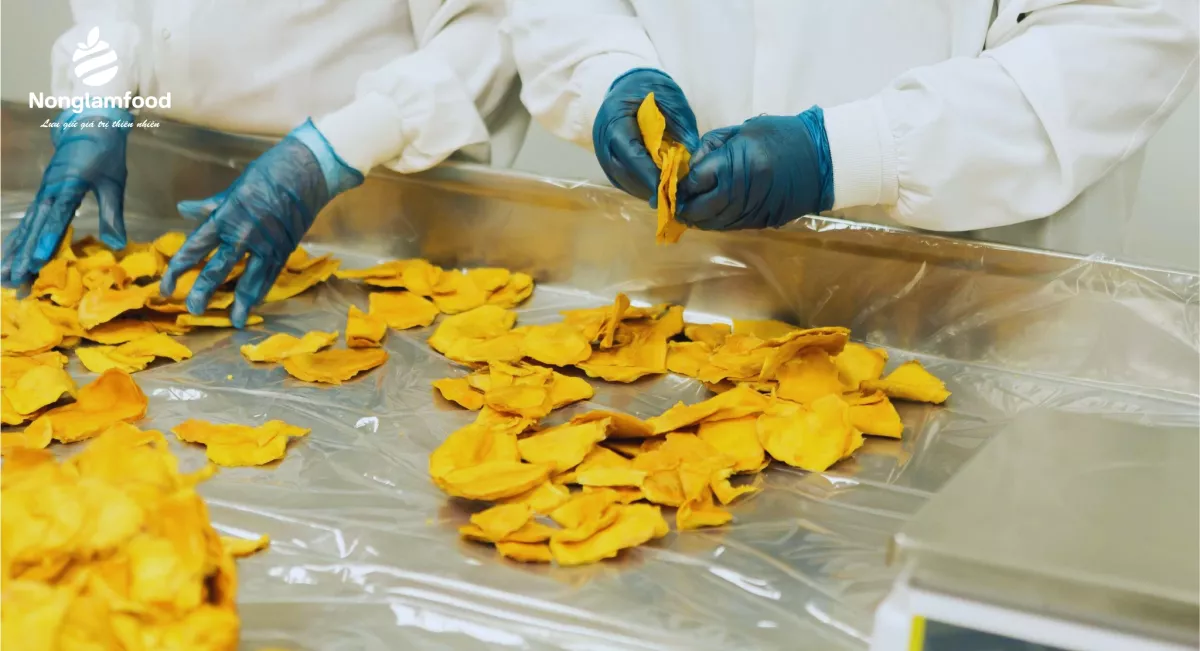
3. Dried Mango Preservation for B2B and Retail: Inventory Management
- Water activity specification: For reliable
- FIFO inventory rotation: First In, First Out rotation is essential for retail and distribution operations handling dried mango with 12-18 month shelf life. When new stock arrives, rotate older stock to the front of the shelving or pick sequence. Failing to do this consistently leads to product reaching shelf at 3–6 months remaining life insufficient for most retail environments.
- Warehouse temperature control: Ideal warehouse temperature for dried mango storage is below 20°C with stable humidity (below 60% RH). Avoid warehouses with significant temperature cycling between day and night -particularly in tropical import markets where daytime warehouse temperatures can reach 35-40°C and drop significantly at night.
- Best-before vs. use-by: Dried mango carries a best-before date, not a use by date. Best-before refers to quality (optimal colour, texture, flavour) rather than safety. Properly stored dried mango that smells clean and fruity and shows no visible mould can often be consumed safely beyond the best-before date, though quality will have declined from peak.
4. How to Tell If Dried Mango Has Gone Bad: What to Look for
The most common mistake in dried mango assessment is discarding product based on colour darkening alone. Understanding what actually indicates spoilage and what does not prevents unnecessary waste:
- Colour darkening - NOT a spoilage indicator: Dried mango naturally darkens over its shelf life through the Maillard reaction (sugar-amino acid browning) and slow oxidative colour change. A product that was golden-amber at production may be darker amber or light brown at 10-12 months. This is not spoilage it is chemistry. The product is still safe and nutritious.
- White surface crystals - NOT a spoilage indicator: White crystalline deposits on the surface of dried mango are sugar crystallisation natural sugars in the product forming visible crystals over time. Completely safe, can be wiped away, and does not affect the eating quality.
- Visible mould - DISCARD IMMEDIATELY: Fuzzy growth in any colour white, grey, green, or black on the surface of individual pieces. This is the unambiguous spoilage indicator. Discard the entire batch, not just the affected pieces, as mould spores will have spread through the container.
- Off-odour - DISCARD: A fermented, sour, alcohol-like, or otherwise 'wrong' smell when the container is opened is the most reliable spoilage indicator available. Trust your nose clean, properly preserved dried mango smells strongly of concentrated tropical mango. Anything that smells wrong should be discarded.
- Excessive stickiness with off-smell - DISCARD: Some stickiness is normal in soft-dried mango. Stickiness combined with an off-odour, however, indicates significant moisture reabsorption and likely microbial activity discard.
5. How Nong Lam Food Approaches Dried Mango Preservation in Production
Effective dried mango preservation begins in production not in the consumer's pantry. The decisions made during manufacturing determine the maximum achievable shelf life regardless of how carefully the product is subsequently stored.
Nong Lam Food's two-stage heat pump drying process targets consistent moisture content across every production batch soft-dried mango at 14-18% moisture, measured by instrument rather than estimated by touch or appearance. Water activity is tested per batch to confirm Aw below 0.65 before any product is packaged and released.
Packaging uses moisture-barrier laminate films with nitrogen flushing replacing the oxygen in the headspace with inert nitrogen to slow the oxidative processes that degrade colour, flavour, and aroma during shelf life. Clear best-before dating on every package is based on measured production parameters and validated shelf life testing, not convention.
For B2B buyers, Nong Lam Food provides product specification sheets covering moisture content, water activity, Brix, added sugar per 100g, and microbiological results the complete technical package that makes informed inventory management and shelf life planning possible.
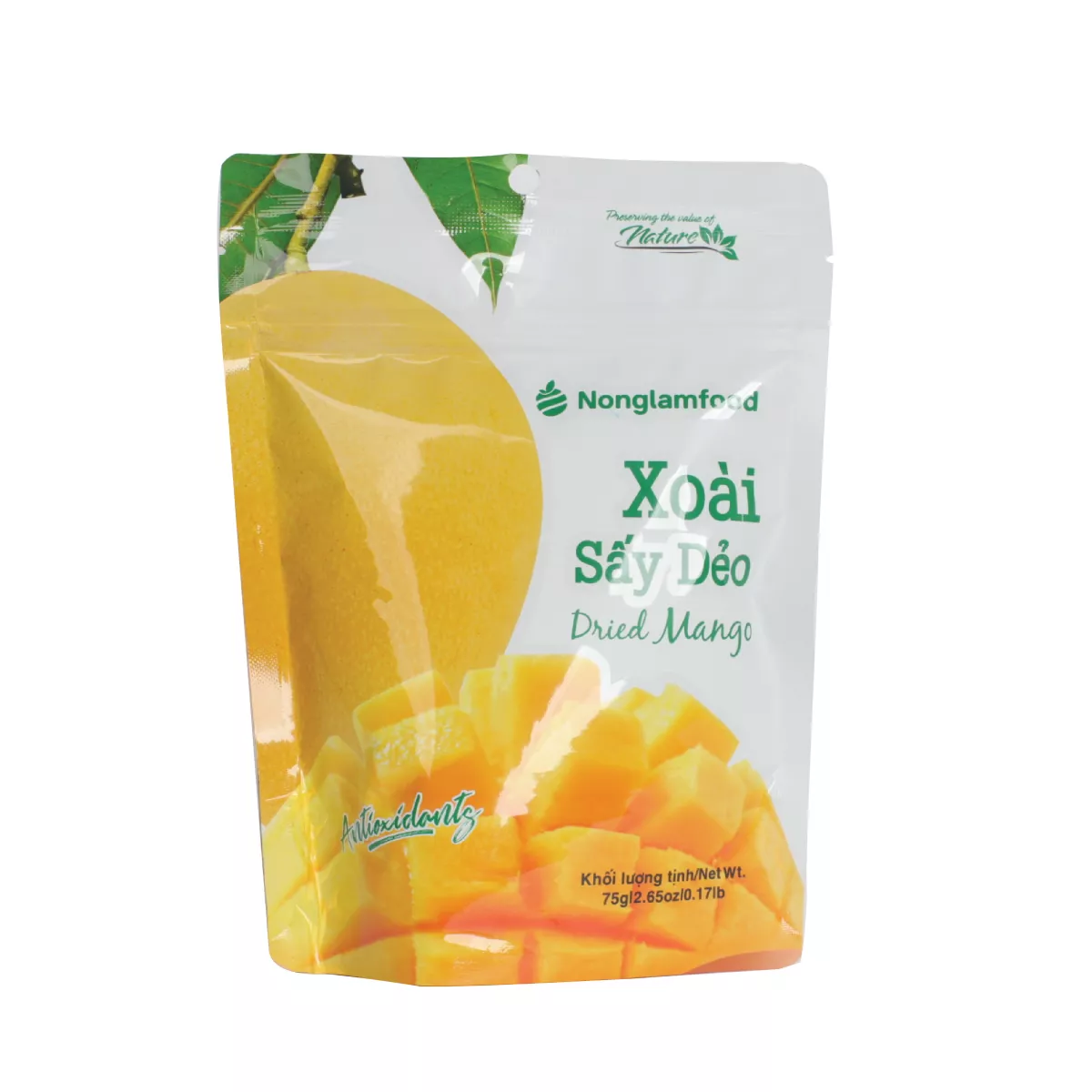
6. Conclusion
Effective dried mango preservation delivers 12-18 months of excellent quality in sealed commercial packaging, 3-6 months post-opening when refrigerated in an airtight container, and 12+ months when frozen. Dark colour is not spoilage off-smell and visible mould are the real indicators to watch for.
For buyers and distributors, the most reliable shelf life assurance comes from suppliers who provide measured water activity data alongside best-before dates, use moisture-barrier packaging with nitrogen flushing, and can demonstrate consistent production parameters across batches.
Nong Lam Food's dried mango range is produced to consistent moisture and Aw targets, packaged in moisture-barrier pouches with nitrogen flushing, and clearly best-before dated. Request product specifications and samples at vietnamdriedfruits.vn.
Related information
- How Do You Dry Limes for Flavored Coatings? A Technical Overview
- Brown Coconut Benefits: Green vs Brown Coconut Nutrition Explained
- List of Fruits High in Vitamin C: From Everyday Picks to Tropical Powerhouses
- Understanding Mangosteen Season Vietnam for Global Supply Chain Planning
- Dry Fruit Smoothie Recipes and Why Quality Dried Fruit Makes All the Difference
- How Are Dried Fruits Made? From Farm to Advanced Heat Pump Drying
PRODUCT CATEGORIES
NEWS

Partner with us to provide and elevate healthier food options while supporting sustainable agriculture with a passion to serve and a commitment to innovation. Together, we can improve the lives of disadvantaged farmers and generate a positive impact!

