




Dedicated Manufacturer and Exporter of Premium Dried Fruits, Natural Fruit Bars, and Flavored & Coated Nuts
- Home
- /
- Knowledge Hub
- /
- How Do You Dehydrate Fruit Without a Dehydrator? DIY vs. Export Grade
How Do You Dehydrate Fruit Without a Dehydrator? DIY vs. Export Grade
How do you dehydrate fruit without a dehydrator? There are several reliable methods that work surprisingly well and knowing their real strengths and limitations will help you get better results from your kitchen while also understanding why professionally dried fruit represents a fundamentally different product category. This guide covers every practical home method in detail, with the honest comparison that most food blogs skip.
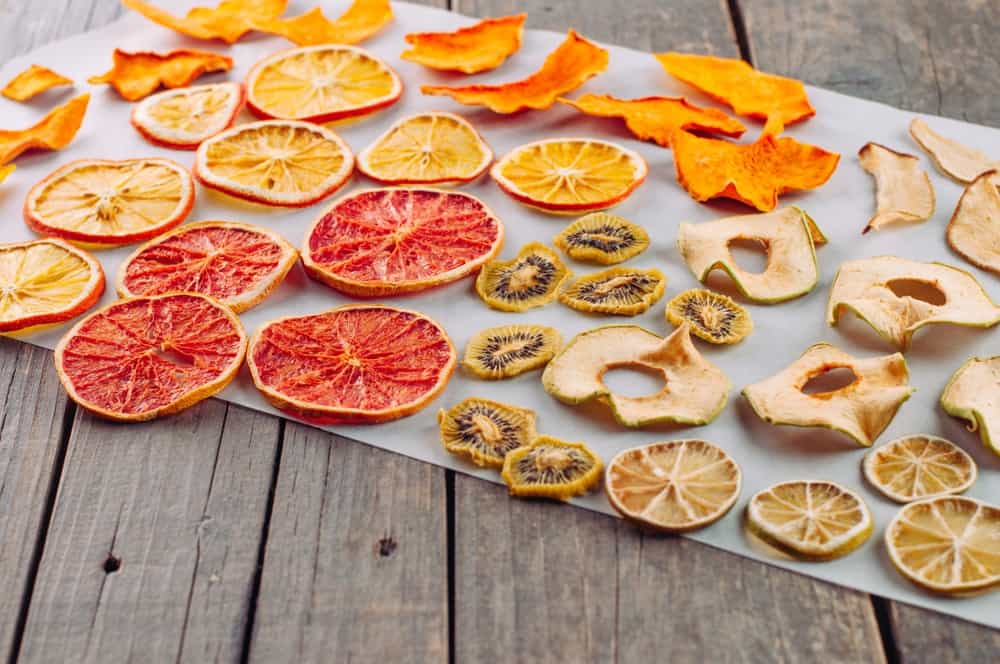
Why Dehydrate Fruit Without a Dehydrator? Understanding the Motivation
The reasons people seek out ways to dehydrate fruit without a dehydrator fall into four consistent categories: they want to preserve seasonal surplus fruit before it spoils, they want to control exactly what goes into their snacks (no additives, no excess sugar), they want to reduce food waste from fruit that is slightly past fresh eating prime, or they simply enjoy the process of making food from scratch. All of these are valid and worthwhile motivations. The methods covered in this guide address them directly with honest guidance on what each approach achieves and where its practical limits lie.
How Do You Dehydrate Fruit Without a Dehydrator Using an Oven?
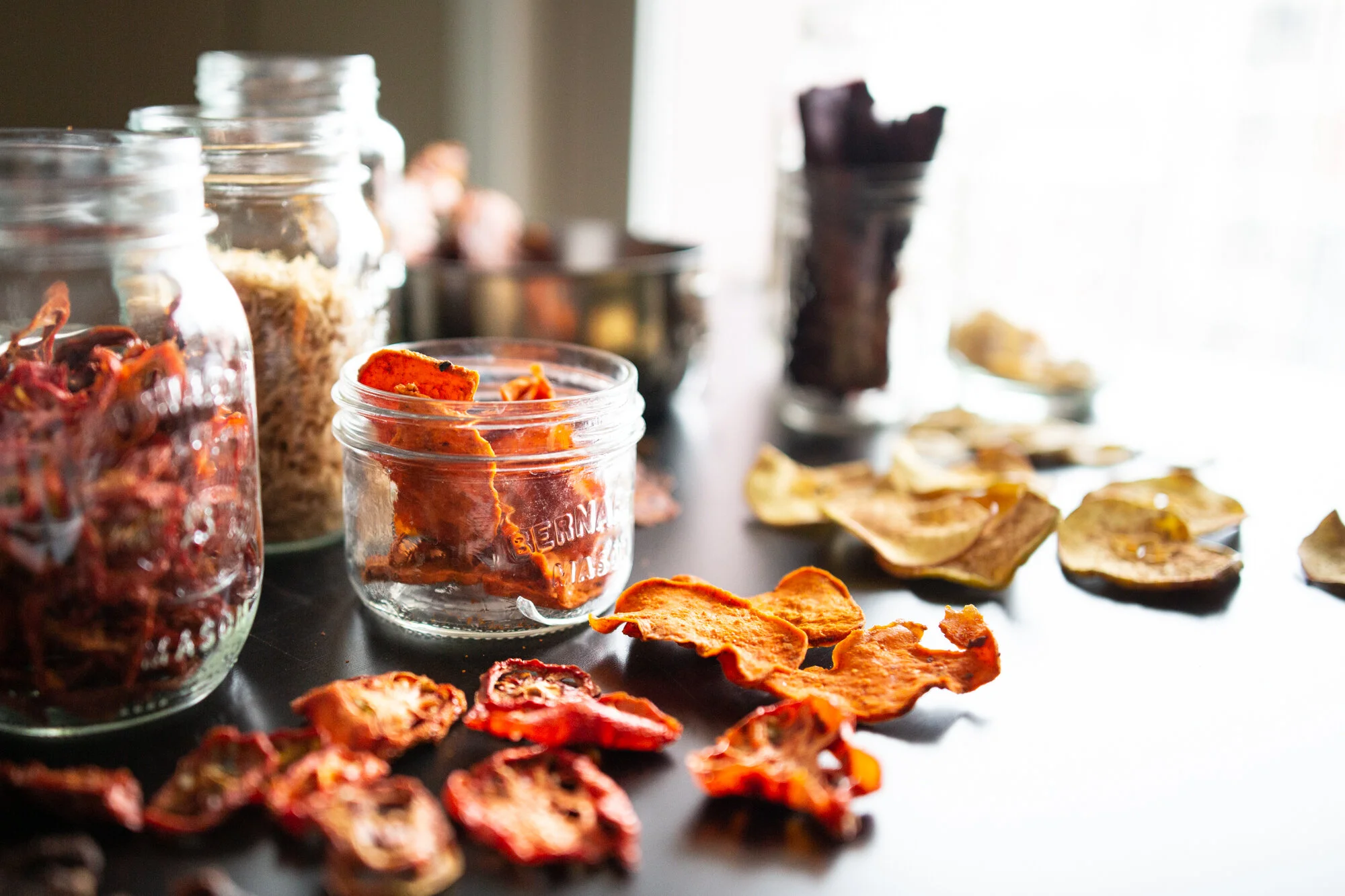
The oven is the most accessible way to dehydrate fruit without a dehydrator for most home cooks, and it produces genuinely good results when the technique is applied correctly. The fundamental principle is the same as a dedicated dehydrator circulating warm, dry air around the fruit to evaporate moisture but the oven presents two challenges that need to be actively managed: heat distribution is less even than a dedicated dehydrator, and standard ovens do not circulate air as effectively unless the fan-assisted function is used.
- Temperature: Set your oven to 55-70 degrees C (130-158 degrees F). Fan-assisted mode is strongly preferred it significantly improves air circulation and reduces drying time. If your oven's lowest fan assisted setting is 70 degrees C, that is acceptable for most fruits; avoid exceeding 75 degrees C as this begins to cause noticeable colour browning and aroma loss.
- Setup: Place fruit slices on a wire rack set over a baking tray this allows air circulation beneath the fruit as well as above. Never place fruit directly on a baking tray without a rack; the bottom surface of each piece will steam rather than dry.
- Door management: Leave the oven door open by 2-3cm using a folded tea towel or the handle of a wooden spoon. This allows the humid air driven off by the drying fruit to escape rather than re-condensing on the fruit the most common cause of slow or uneven oven drying.
- Best fruits: Mango slices, apple slices, pear slices, banana coins, pineapple strips, strawberry halves. These fruits have good structure and appropriate water content for oven dehydration without special handling.
- Time guide: 4-8 hours for thin-sliced temperate fruits (apple, pear); 7-12 hours for tropical fruits (mango, pineapple, papaya). Flip pieces every 2 hours. Test doneness by cooling a piece completely it should be leathery and pliable, not sticky or brittle.
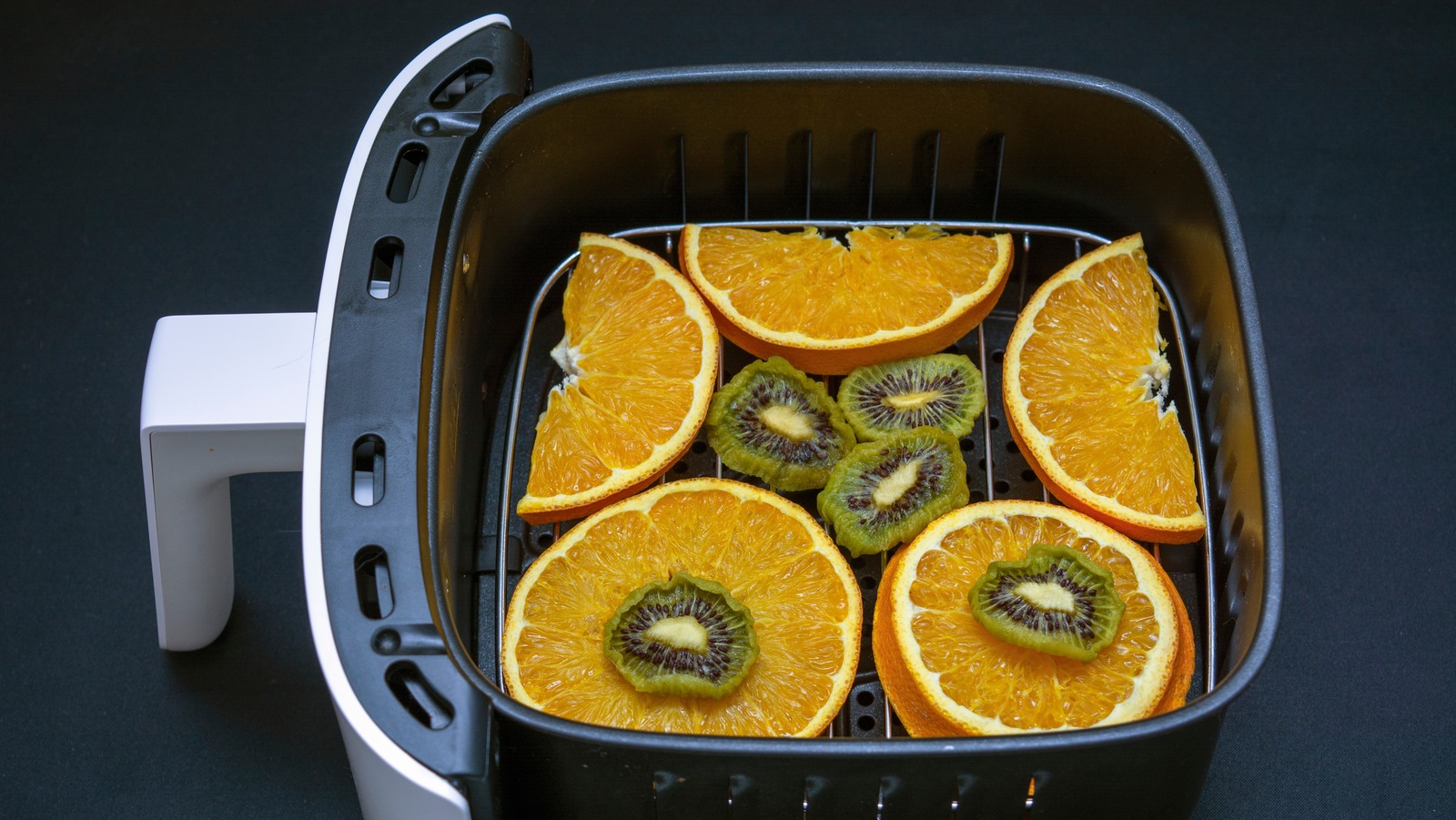
How Do You Dehydrate Fruit Without a Dehydrator Using an Air Fryer?
Air fryers have emerged as one of the most practical ways to dehydrate fruit without a dehydrator for small batches. Their forced-air circulation system produces more even drying than a standard oven, and many models now include a dedicated dehydrate mode that operates at appropriate low temperatures.
- Temperature: Use the dehydrate mode if available (typically 55-65 degrees C). If your model only has standard cooking temperatures, set it to the lowest available option many current models go down to 60 degrees C.
- Capacity: The primary limitation of air fryer dehydration is batch size. Most air fryer baskets accommodate only 1-2 servings of thinly sliced fruit in a single layer. This makes air fryer dehydration practical for personal use but not for producing larger quantities for gifting or storage.
- Best fruits for air fryer dehydration without a dehydrator: Mango slices (5-7mm), pineapple rings (5mm), apple chips (4mm), strawberry halves. These varieties dehydrate efficiently in the air fryer's compact chamber.
- Time: Generally 20-30% faster than oven method for equivalent results due to better forced airflow. Expect 5-8 hours for most tropical fruits.
How Do You Dehydrate Fruit Without a Dehydrator Using Sun-Drying?
Sun drying is the oldest method of preserving fruit and requires no equipment beyond elevated mesh trays and appropriate weather. It is the traditional method used for figs, grapes (raisins), apricots, and dates across the Mediterranean and Middle East, and it can work well for tropical fruits in the right climate conditions.
- Climate requirements: 3 or more consecutive days with temperatures above 32 degrees C, low humidity, and consistent breeze. High humidity (above 60%) dramatically slows sun-drying and increases the risk of mould development before the fruit is sufficiently dry.
- Setup: Elevated wooden or metal frames with fine mesh stretched across elevation ensures airflow beneath the fruit. Cover with insect proof fine netting to prevent contamination. Bring trays inside overnight to prevent moisture reabsorption from dew.
- Best fruits for sun-drying without a dehydrator: Figs, grapes, plums (prunes), apricots, dates fruits with the right combination of sugar content and skin toughness for outdoor drying. Tropical fruits can be sundried successfully in dry-season tropical climates but present higher food safety risks in humid environments.
- Honest assessment: Sun-drying is a viable method in appropriate climates but presents genuine food safety challenges in humid tropical or temperate environments. Inconsistent results, insect exposure risk, and the inability to control drying temperature make it less reliable than oven or air fryer methods for most home cooks.
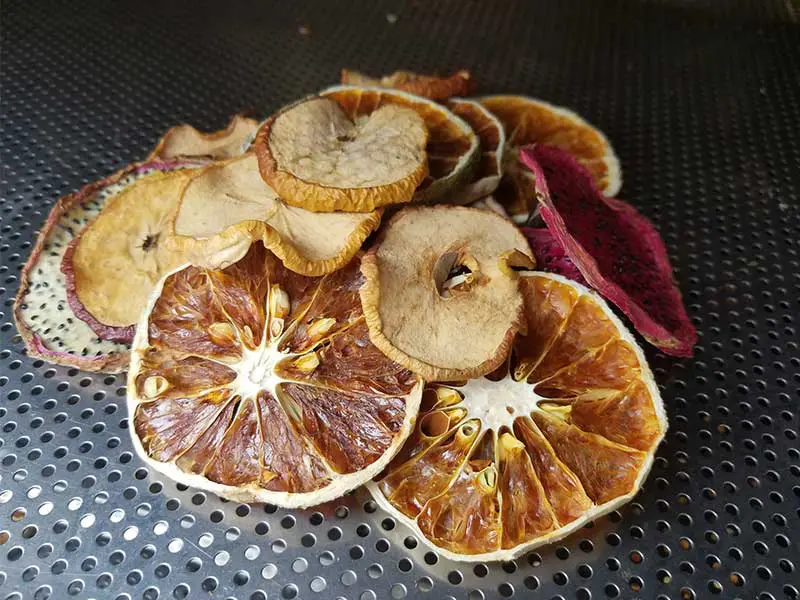
DIY Dehydration vs. Export-Grade Dried Fruit: The Real Comparison
Understanding the genuine gap between home dehydration without a dehydrator and professionally processed dried fruit is useful not because home methods are inferior they serve a different purpose but because it informs decisions about when to make and when to buy.
| Factor | DIY Without a Dehydrator | Professional Heat Pump Drying |
|---|---|---|
| Water activity | Estimated by feel no measurement possible | Measured precisely; consistently below 0.6 Aw for food safety |
| Stage 2 drying temperature | Minimum 55-60 degrees C throughout | 25-30 degrees C in Stage 2 protects Vitamin C and polyphenols impossible to replicate at home |
| Vitamin C retention | 20-40% loss at home oven temperatures | Significantly better retention at 25-30 degrees C Stage 2 |
| Colour | Good with correct pre-treatment; some browning normal | Deep natural colour preserved through low-temperature Stage 2 |
| Shelf life | 3-8 weeks reliably; up to 6 months with very low moisture | 12-18 months in moisture-barrier packaging |
| Batch consistency | Variable piece to piece | Uniform moisture content across every batch |
| Best for | Fresh home snacks, small gifts, seasonal preservation, cooking | Retail products, health claims, export, long-term storage, gifting at scale |
The practical conclusion: dehydrating fruit without a dehydrator is a genuinely worthwhile kitchen skill for personal use, fresh snacking, and small batch preservation. It is not a replacement for professional processing when the goal is a product that needs to meet retail shelf life requirements, food safety water activity targets, or the visual and nutritional quality standards that differentiate premium dried fruit in the market.
Conclusion: How Do You Dehydrate Fruit Without a Dehydrator and When Does Professional Win?
The question of how do you dehydrate fruit without a dehydrator has a clear and practical answer: an oven at 55-65 degrees C with fan assist and a door-ajar technique, or an air fryer with a dehydrate mode, both produce good results for personal use when the preparation steps are followed carefully. Sun-drying works well in appropriate climates with appropriate fruits.
When the goal shifts from personal snacking to retail products, gifting at scale, products with health claims, or anything requiring long shelf life and consistent quality professional heat pump dried fruit from a dedicated manufacturer delivers results that home equipment genuinely cannot replicate. Understanding both categories helps you make better decisions about when to invest the time in home drying and when to partner with a specialist producer.
Discover what professional heat pump drying achieves compare with your home results. Request samples from Nong Lam Food at vietnamdriedfruits.vn or contact our team to discuss private label and bulk supply options.
Related information
- Choosing a Reliable Dry Fruit Company for OEM and Bulk Supply
- Brown Coconut Benefits: Green vs Brown Coconut Nutrition Explained
- How Are Dried Fruits Made? From Farm to Advanced Heat Pump Drying
- How to Freeze Dry Fruit Without a Freeze Dryer: Home Methods vs. Commercial Reality
- Dried Mango Preservation: How to Store It Right and Keep It at Its Best
- How Do You Dry Limes for Flavored Coatings? A Technical Overview
PRODUCT CATEGORIES
NEWS

Partner with us to provide and elevate healthier food options while supporting sustainable agriculture with a passion to serve and a commitment to innovation. Together, we can improve the lives of disadvantaged farmers and generate a positive impact!

