




Dedicated Manufacturer and Exporter of Premium Dried Fruits, Natural Fruit Bars, and Flavored & Coated Nuts
- Home
- /
- Knowledge Hub
- /
- Brown Coconut Benefits: Green vs Brown Coconut Nutrition Explained
Brown Coconut Benefits: Green vs Brown Coconut Nutrition Explained
Brown coconut benefits are distinctly different from those of the young green coconut. To fully understand these advantages, looking at a direct green vs brown coconut comparison reveals important insights about how to use each form most effectively. This article focuses specifically on the brown coconut: what it is, how it differs from its green counterpart, and what its mature nutritional profile actually offers.
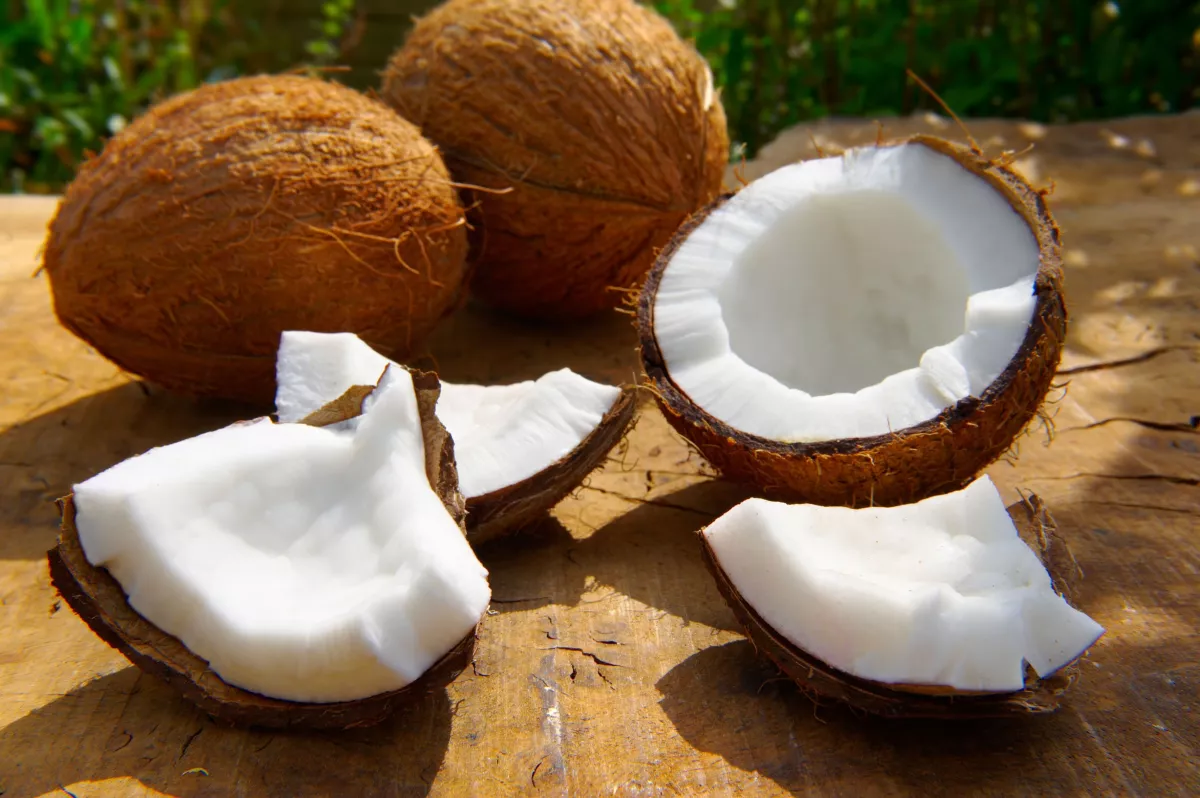
1. What Is a Brown Coconut? A Quick Green vs Brown Coconut Overview
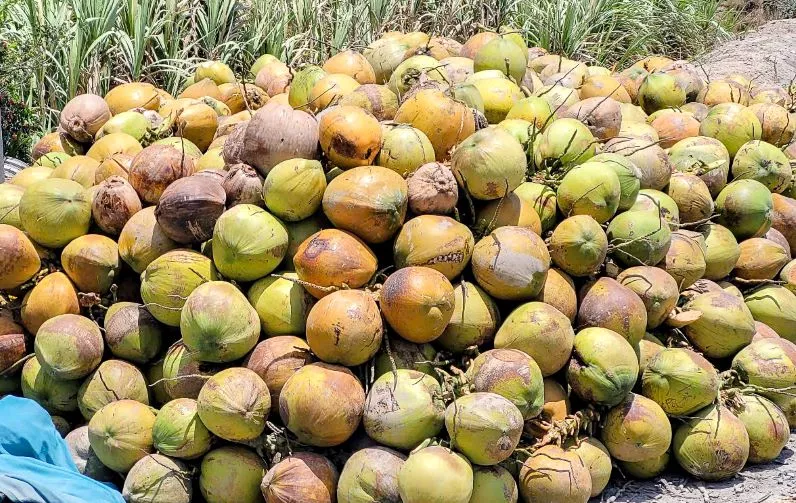
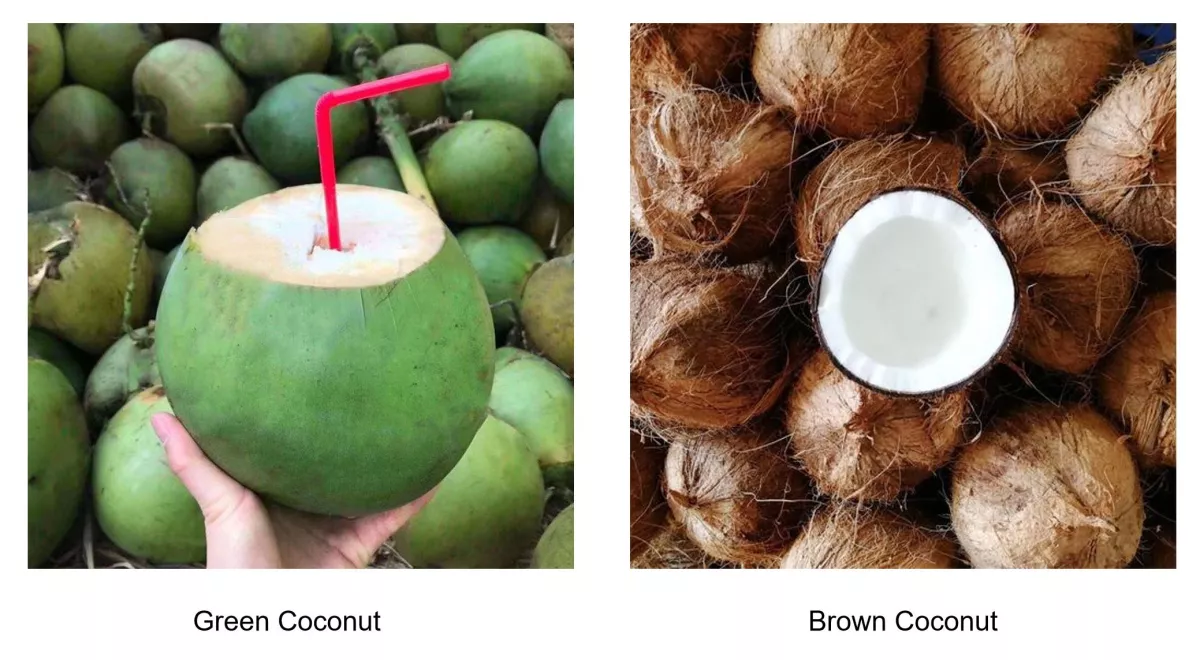
Brown and green coconuts are the same species Cocos nucifera at different stages of the fruit's development. The maturity difference is significant: a green coconut is typically harvested at 5–7 months after pollination, while a brown coconut is left on the palm until 10-12 months of maturity, at which point the outer husk has dried and turned brown.
| Characteristic | Green Coconut (5-7 months) | Brown Coconut (10-12 months) |
|---|---|---|
| Outer appearance | Green, smooth husk | Brown, fibrous dried husk |
| Interior water volume | Large 250-400ml per coconut | Small 50-150ml if any remains |
| Interior water taste | Sweet, delicate, slightly nutty | Can be slightly tangy or absent |
| Flesh (meat) | Thin, soft, jelly-like easily scooped | Thick, firm, white 8-12mm |
| Fat content (flesh) | Very low | ~33g per 100g high MCT content |
| Fibre content (flesh) | Minimal | ~9g per 100g outstanding |
| Primary nutritional value | Electrolytes and hydration (from water) | MCT fats, fibre, manganese (from flesh) |
| Primary culinary use | Drinking the water; soft flesh in desserts | Grating, pressing, toasting, drying |
2. Brown Coconut Benefits: The Nutritional Advantages of the Mature Coconut
a. Higher MCT Fat Content: The Primary Nutritional Advantage of Brown Coconut
The mature brown coconut's thick, firm flesh contains approximately 33g of fat per 100g the vast majority of which is medium-chain triglycerides. This MCT concentration is the most significant brown coconut benefit for those specifically seeking the metabolic and energy characteristics of MCTs. Lauric acid (C12) makes up approximately 50% of the total fatty acid content, followed by myristic acid, capric acid (C10), and caprylic acid (C8).
By comparison, the soft jelly flesh of a young green coconut contains minimal fat it is primarily a source of simple sugars and water. Anyone eating coconut specifically for its MCT content needs the mature brown coconut flesh, not the young green coconut. This is the most important practical distinction between the two.
b. Superior Fibre Content A Key Brown Coconut Benefit for Gut Health
With approximately 9g of dietary fibre per 100g of fresh flesh, mature brown coconut is one of the most fibre-dense fruits available. Young green coconut's jelly flesh contributes almost no dietary fibre it is essentially sugar water in gel form. The fibre advantage sits entirely with the brown coconut.
Brown coconut fibre includes both soluble components (which support gut microbiome diversity and blood glucose moderation) and insoluble components (which support bowel regularity and transit time). This dual-fibre profile makes it a genuinely useful gut health food when incorporated into a varied diet.
In coconut chips thinly sliced, lightly toasted brown coconut the fibre is partially concentrated through the drying process. Nong Lam Food's Crispy Coconut Chips deliver the fibre benefit of mature brown coconut in a convenient daily snack format that requires no preparation.
c. Mineral Density: What Brown Coconut Provides That Green Coconut Does Not
Brown coconut flesh is an exceptional manganese source approximately 75% of the daily recommended intake per 100g. Manganese is essential for bone health, antioxidant enzyme function (as a component of manganese superoxide dismutase, the body's primary mitochondrial antioxidant enzyme), and carbohydrate metabolism. Copper (approximately 44% RDI), selenium (~18% RDI), and phosphorus add further mineral value to the brown coconut's profile.
Green coconut water, while excellent for potassium (~600mg per cup) and electrolyte replenishment, contains virtually none of these fat-associated minerals. The mineral-dense food is the brown coconut's flesh, not the water.
3. Green vs Brown Coconut: Which Is Better for Health?
The honest answer is that neither is categorically "better" they serve completely different nutritional purposes and are genuinely complementary rather than competing:
- Green coconut excels at: Hydration and electrolyte replenishment (potassium, sodium, magnesium), low-calorie tropical refreshment, and a gentle natural sweetness without significant fat or fibre. Best for post-exercise recovery, hot climate rehydration, and as a lower-calorie alternative to fruit juice.
- Brown coconut excels at: MCT fat delivery, dietary fibre contribution, manganese and copper density, and sustained energy from MCT ketone metabolism. Best for those seeking fibre, MCT energy, mineral density, and a satisfying snacking experience with genuine nutritional substance.
From a caloric standpoint, these are very different products: green coconut water provides approximately 19 kcal per 100ml; brown coconut flesh provides approximately 354 kcal per 100g. Treating them interchangeably for dietary planning is a fundamental mistake, they are nutritionally complementary foods, not substitutes.
4. How to Get Brown Coconut Benefits Through Different Product Forms
- Fresh brown coconut flesh: Maximum nutritional completeness. Requires removing the thick husk, cracking the shell, and scooping or grating the flesh a significant preparation investment for an everyday food.
- Desiccated coconut: Dried, unsweetened shredded brown coconut flesh retains fat, fibre, and minerals in a shelf-stable baking and cooking ingredient. Check labels for added sugar, which some brands add.
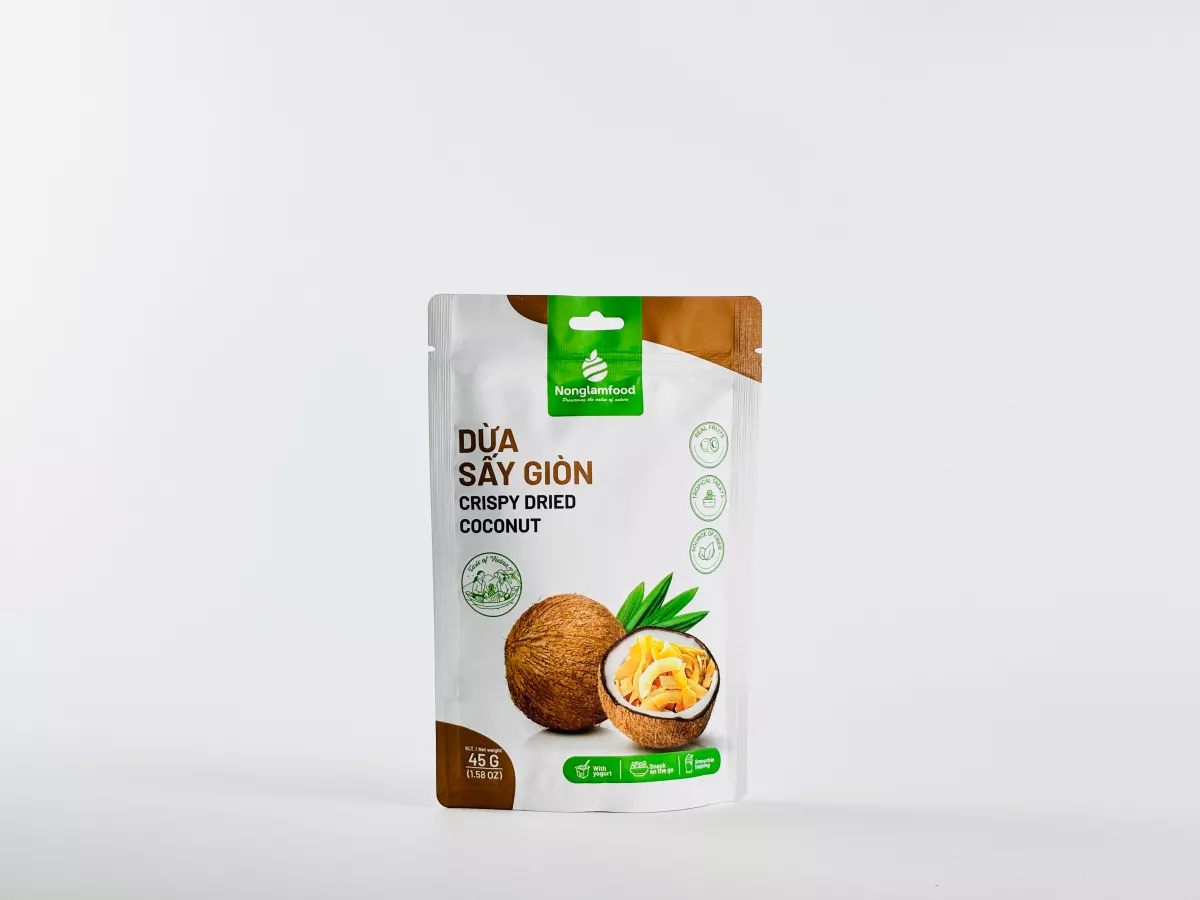
- Coconut chips: Thinly sliced, lightly toasted brown coconut in a ready-to-eat snack format. Nong Lam Food's Crispy Coconut Chips are made from mature (brown) coconut, thinly sliced and lightly toasted to achieve a crisp texture and natural nutty sweetness preserving the MCT fat content, fibre, and manganese of fresh brown coconut flesh in a format that requires no preparation and has 12+ months shelf life.
- Coconut milk: Pressed from brown coconut flesh extracts the fat and some nutrients but loses all the fibre. High calorie density; a cooking liquid rather than a nutritional supplement.
5. Practical Daily Guide: Getting the Most From Brown Coconut Benefits
- Recommended serving: 20-30g of coconut chips delivers approximately 95-140 kcal, 6-9g fat (primarily MCTs), 2-3g fibre, and meaningful manganese a nutritionally substantive daily serving in a small portion.
- Morning routine: Add coconut chips to porridge, granola, or a smoothie bowl for sustained MCT energy and a fibre contribution that extends morning satiety.
- Snacking: Crispy Coconut Chips as a lower-sugar, more nutritionally substantive alternative to conventional rice cakes, crackers, or savoury snacks.
- Fat-soluble nutrient pairing: Brown coconut's MCT fat content improves the absorption of fat-soluble antioxidants beta-carotene from dried mango, lycopene from guava, betacyanins from dried dragon fruit. A mixed trail snack of coconut chips and dried tropical fruit is a genuinely synergistic nutritional combination.
- Cardiovascular note: As with Article 8 those managing cardiovascular risk or elevated LDL cholesterol should discuss high saturated fat foods with a healthcare professional.
6. Conclusion
Brown coconut benefits are distinct, meaningful, and clearly differentiated from those of the young green coconut. Where green coconut delivers hydration and electrolytes, mature brown coconut delivers MCT fats, exceptional dietary fibre, and a mineral profile led by manganese that places it among the most nutrient-dense fruit-derived foods available.
For consumers seeking these benefits in their most convenient daily form, coconut chips thinly sliced, lightly toasted, no artificial additives make the mature brown coconut's nutritional value accessible without the preparation effort that fresh coconut requires.
Experience the brown coconut benefits in their most convenient form try Nong Lam Food's Crispy Coconut Chips at vietnamdriedfruits.vn. Thinly sliced, lightly toasted mature coconut with natural nutty sweetness and clean ingredients.
Related information
- Mango Season in Vietnam: Harvest Windows, Varieties & What to Buy
- Fruits Containing High Fibre: A Complete Guide to the Best Dietary Sources
- Assorted Dry Fruits: A Strategic Portfolio for Global Healthy Snack Retailers
- How Do You Dry Limes for Flavored Coatings? A Technical Overview
- Nutrient Rich Dried Fruits: What Science Says About Their Health Benefits
- How Do They Freeze Dry Fruit and How Does It Compare to Heat Pump Drying?
PRODUCT CATEGORIES
NEWS

Partner with us to provide and elevate healthier food options while supporting sustainable agriculture with a passion to serve and a commitment to innovation. Together, we can improve the lives of disadvantaged farmers and generate a positive impact!

