




Dedicated Manufacturer and Exporter of Premium Dried Fruits, Natural Fruit Bars, and Flavored & Coated Nuts
- Home
- /
- Knowledge Hub
- /
- Nutrient Rich Dried Fruits: What Science Says About Their Health Benefits
Nutrient Rich Dried Fruits: What Science Says About Their Health Benefits
When people search for vitamin D rich dried fruits, they are often asking a broader and more important question: which dried fruits are genuinely nutritious, and how do they contribute to overall health? The science offers a nuanced and encouraging answer, one that may surprise you in some respects, and that firmly positions the best dry fruits as functional foods worth understanding properly.
What Makes Dried Fruits Nutritionally Valuable Beyond the Vitamin D Question
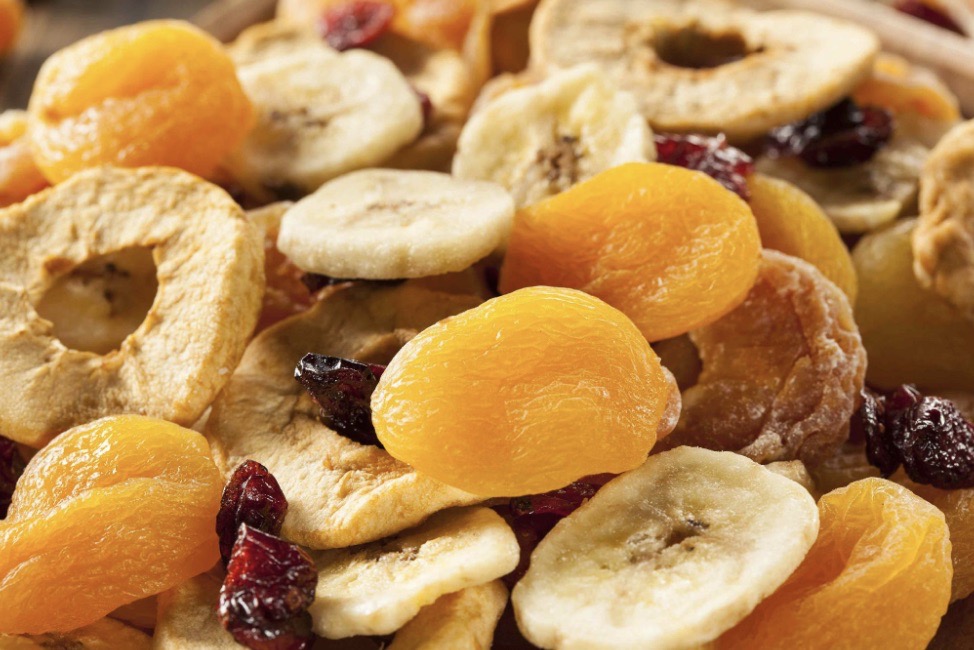
Dried fruits are among the most nutritionally concentrated whole foods available. The drying process removes 75-85% of the water content present in fresh fruit, concentrating the remaining nutrients into a smaller, shelf-stable package. A 30g serving of dried mango, for instance, delivers the nutritional equivalent of approximately 150g of fresh mango including its dietary fibre, potassium, beta carotene, and polyphenol content.
The nutrients most consistently present at meaningful levels across a range of dry fruits include:
- Dietary fibre: Essential for gut health, blood sugar regulation, and satiety. Many dried tropical fruits particularly passion fruit, guava, and jackfruit deliver 2-5g of fibre per 30g serving, which represents 7-18% of the recommended daily intake.
- Potassium: An electrolyte mineral critical for blood pressure regulation and muscle function. Dried apricots, dried mango, and dried papaya are notably good sources.
- Iron: Present in meaningful quantities in prunes, dried apricots, and raisins contributing to the prevention of iron-deficiency anaemia when combined with a Vitamin C source at the same meal.
- Antioxidants and polyphenols: Plant compounds that help neutralise free radicals and reduce oxidative stress. Dried mango is rich in beta carotene and quercetin. Dried dragon fruit contains betacyanins. Dried passion fruit delivers flavonoids and Vitamin C precursors.
- B vitamins: B6 and niacin are present in various dried fruits, supporting energy metabolism and nervous system function.
Vitamin D Rich Dried Fruits: Setting the Scientific Record Straight
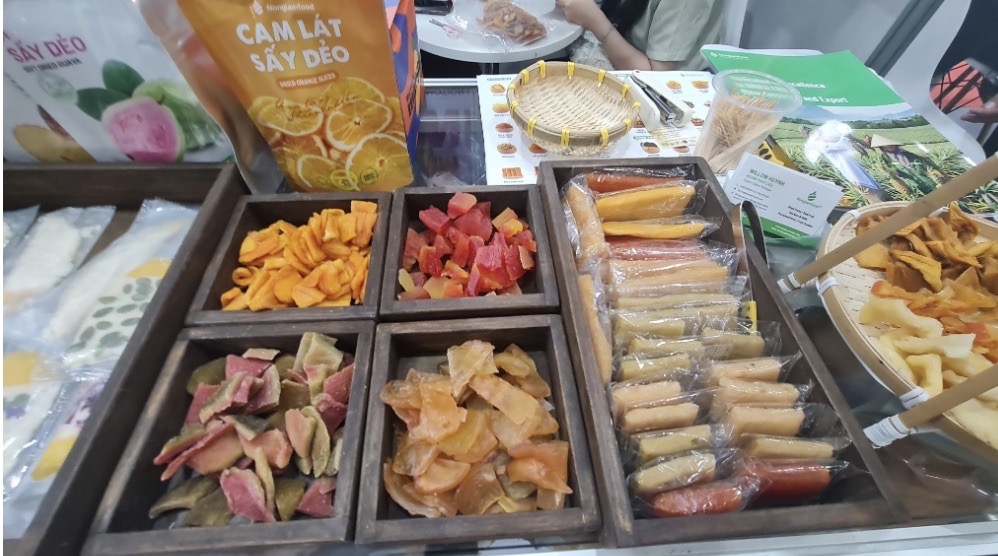
This section addresses the search query directly and accurately, because getting this right matters. The scientific fact: Dried fruits tropical or otherwise are not significant sources of Vitamin D. This applies to dried mango, dried apricots, raisins, dates, and every other commonly available dried fruit product. No drying process or production method changes this fundamental nutritional reality.
Vitamin D is a fat-soluble vitamin found in meaningful quantities in a specific set of foods: oily fish (salmon, mackerel, sardines), egg yolks, certain mushrooms exposed to ultraviolet light, and fortified dairy or plant-based products. The primary source for most people is not food at all it is sunlight exposure, which triggers Vitamin D synthesis in the skin.
The reason searches for 'vitamin D rich dry fruits' are common is not that dried fruit is actually a Vitamin D source it is that people searching for this term are often looking for a single convenient food that addresses their micronutrient concerns comprehensively. The more useful response to that underlying need is to understand what dry fruits genuinely provide in abundance, and how they fit into a complete dietary pattern that supports optimal micronutrient status. For Vitamin D specifically: safe sun exposure, oily fish twice weekly, eggs, and where dietary intake is insufficient supplementation under medical guidance are the evidence-based strategies. Dry fruits support overall nutritional health through a different and equally valuable set of mechanisms.
Dry Fruits That Are Genuinely Rich in Key Nutrients: A Category Guide
Highest Antioxidant and Polyphenol Content Tropical Dry Fruits
These varieties deliver the strongest antioxidant profile among commonly available dry fruits, and are where Vietnamese tropical production most significantly contributes to global nutritional variety:
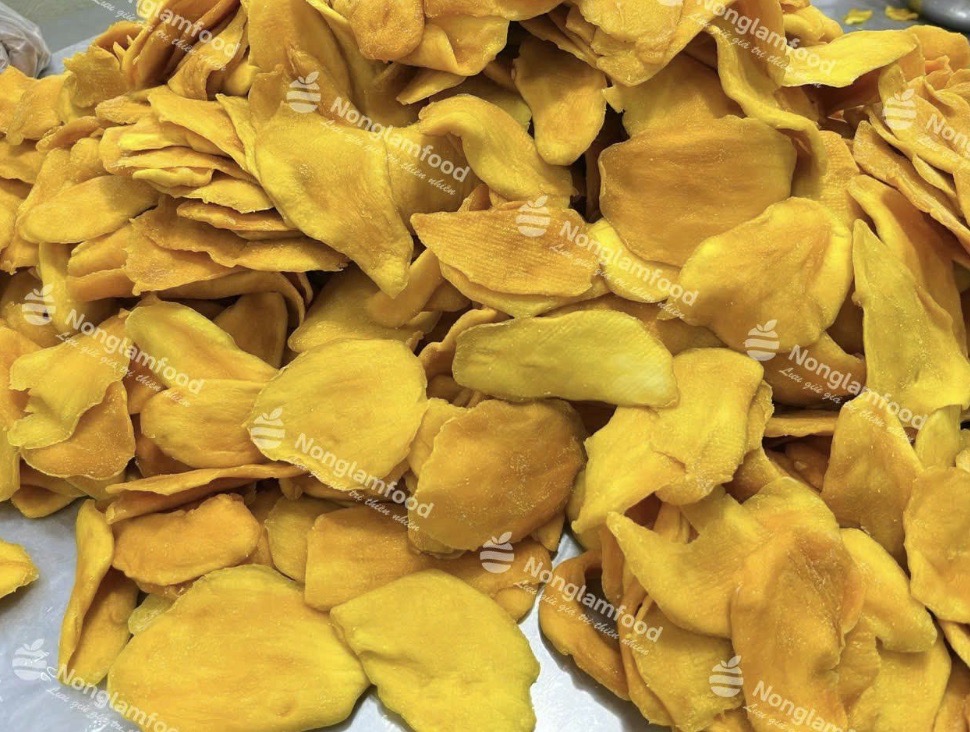
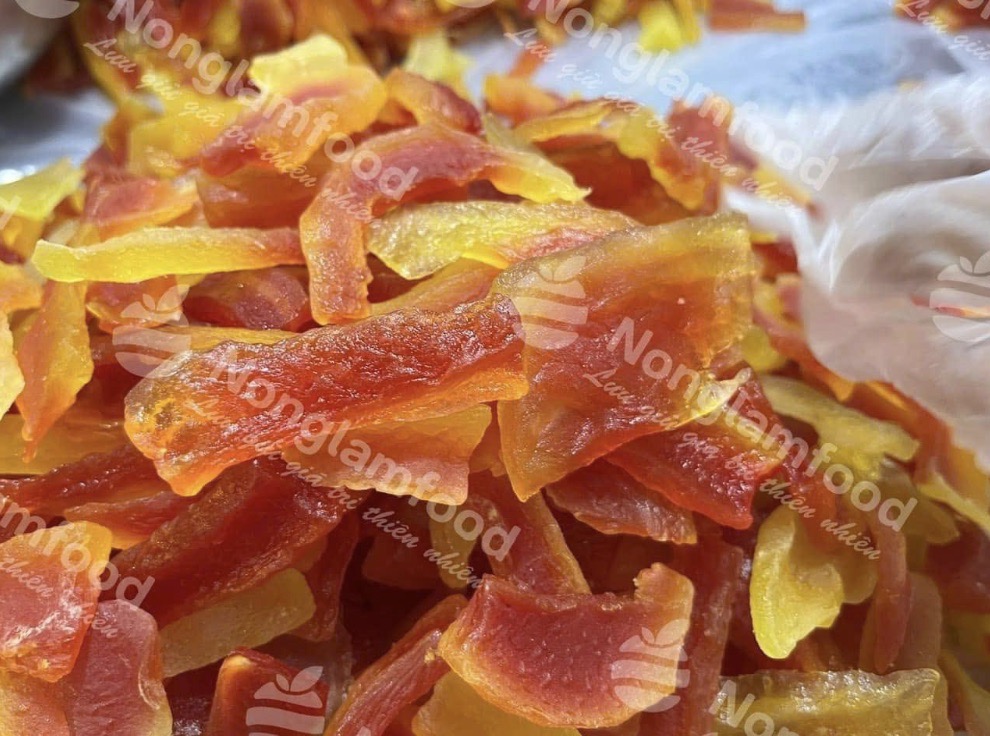
- Dried mango: Exceptionally rich in beta-carotene (a Vitamin A precursor), quercetin, and mangiferin a polyphenol unique to mango with emerging research support for anti-inflammatory properties. Vitamin C content is partially retained in well-processed dried mango; heat pump drying at 25-30 degrees C in Stage 2 preserves significantly more than conventional hot air processing.
- Dried dragon fruit: Contains betacyanins the pigments responsible for its distinctive colour which are among the most potent antioxidant compounds found in any fruit. Research suggests betacyanins may support cardiovascular health and reduce oxidative stress markers. The drying process concentrates these compounds significantly.
- Dried passion fruit: Delivers outstanding dietary fibre alongside a broad range of polyphenols including piceatannol, which has demonstrated anti-inflammatory effects in research settings. Its Vitamin C content is present at worthwhile levels in well-processed dried formats.
Highest Iron and B Vitamin Content Dry Fruits
- Dried apricots: Among the most iron-dense dried fruits available approximately 2.7mg per 100g in unsulphured varieties. Important note: the iron in plant-based foods (non-haem iron) is less bioavailable than iron from meat sources; consuming dried apricots with a Vitamin C source (fresh citrus juice, for example) significantly improves absorption.
- Prunes (dried plums): Rich in both iron and sorbitol, a natural sugar alcohol with mild laxative properties that supports digestive regularity. Also a meaningful source of Vitamin K and copper.
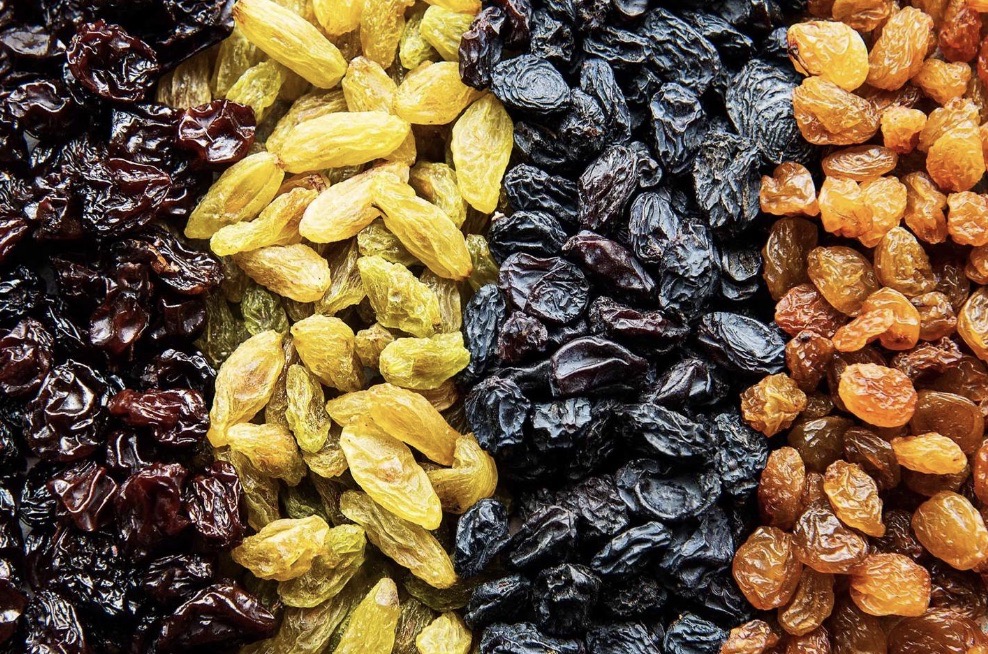
- Raisins: High in natural antioxidants (particularly resveratrol in darker varieties), potassium, and iron. The concentrated natural sugar means portion control is important.
Highest Dietary Fibre Content for Gut and Metabolic Health
- Dried guava: One of the highest fibre-density dried fruits available fresh guava already has exceptional fibre content, and drying concentrates this further. Also rich in Vitamin C and lycopene.
- Dried jackfruit: High in prebiotic fibre the type that specifically feeds beneficial gut bacteria. Also provides B vitamins and potassium.
- Dried papaya: Contains papain, a naturally occurring digestive enzyme that partially survives the drying process. Good fibre content alongside a gentle, accessible flavour profile that makes it one of the most widely consumed dried tropical fruits globally.
How the Drying Process Affects Nutrient Retention in Dry Fruits
Not all dried fruits are nutritionally equal even when made from identical raw materials. The production process determines how much of the fresh fruit's nutritional value survives in the finished product.
| Nutrient | Sensitivity to Heat | Impact of Drying Method |
|---|---|---|
| Vitamin C | High degrades rapidly above 60 degrees C | Significantly better retained by heat pump drying (Stage 2 at 25-30 degrees C) vs. conventional hot-air processing |
| Polyphenols / antioxidants | Moderate to high varies by compound | Heat pump drying preserves more polyphenols than sustained high-temperature drying |
| Beta-carotene (pro-Vitamin A) | Low relatively heat-stable | Well retained across most drying methods; visible as the orange-amber colour of dried mango |
| Dietary fibre | Very low heat-stable | Retained well across all drying methods; drying concentrates fibre per gram vs. fresh fruit |
| Potassium | Low heat-stable mineral | Well-retained; concentration increases as water is removed |
| Iron | Very low heat-stable mineral | Well-retained across all methods; note non-haem iron bioavailability considerations |
The practical implication for consumers and buyers: the heat-sensitive nutrients Vitamin C and polyphenols are where production technology makes a meaningful nutritional difference. Dried fruits produced using heat pump low-temperature drying retain more of these compounds than conventionally dried equivalents.
For brands positioning on nutritional quality, this distinction is worth communicating clearly. Nong Lam Food's two-stage heat pump process with Stage 2 operating at 25-30 degrees C specifically targets this nutrient preservation advantage. Combined with a limited sugar addition philosophy, the result is a dry fruits product range that delivers genuinely better nutritional value than the commodity alternatives that dominate lower price points.

Practical Guide: How to Choose the Healthiest Dry Fruits
- Prioritise single-ingredient products: The best dry fruits contain one ingredient the fruit itself plus ascorbic acid (Vitamin C) for colour protection. Any product listing glucose syrup, sucrose, or artificial flavourings as primary ingredients has moved away from food and toward confectionery.
- Choose sulphite-free where possible: Sulphites (SO2) are used to maintain the bright colour of some dried fruits, particularly apricots (which turn brown without treatment) and some dried mango products. While sulphites are generally safe for most consumers, sulphite-free products are preferable for individuals with sensitivities and natural colour indicates a product relying on quality raw material rather than chemical preservation.
- Respect the portion: 30-40g per day is a sensible dried fruit serving for most adults. The concentration effect of drying means calories are significantly higher per gram than in fresh equivalents. A portion of dried fruit is not a portion of fresh fruit.
- Pair strategically: Combine iron-rich dried fruits (apricots, prunes) with a Vitamin C source at the same meal to maximise iron absorption. Pair any dried fruit with protein (yogurt, nuts) to moderate the glycaemic impact of natural sugars.
- Buy from producers who explain their process: A dried fruit company that can tell you their drying temperature, their sugar addition levels, and their certification status is a company that has thought seriously about their product. This transparency is the strongest available proxy for actual product quality.
Conclusion: Dry Fruits as a Science-Backed, Genuinely Functional Food
The search for vitamin D rich dry fruits reflects a genuine desire to make smarter nutritional choices through convenient whole foods. The accurate scientific answer that dried fruits are not significant Vitamin D sources is worth stating clearly, because good nutritional decision-making requires accurate information.
What dry fruits genuinely offer is something equally valuable: a concentrated, shelf-stable source of dietary fibre, polyphenols, potassium, iron, and B vitamins delivered in a convenient, naturally sweet format that fits into almost any dietary pattern. The best dry fruits, produced with care and minimal processing intervention, are not a compromise. They are a genuinely useful component of a health-supporting diet.
Nutritional information in this article is provided for general dietary guidance only. Individual micronutrient requirements vary based on age, health status, and dietary patterns. Consult a registered dietitian or healthcare professional for personalised nutritional advice.
Explore Nong Lam Food's range of nutrient-preserving, low sugar dried tropical fruits at vietnamdriedfruits.vn produced using heat pump drying technology to retain more of what nature put in the fruit.
Related information
- Exploring Different Types of Dry Fruits: A Portfolio for Retailers
- Fruits Containing High Fibre: A Complete Guide to the Best Dietary Sources
- Popular Dried Fruits from Vietnam: What Global Buyers Are Ordering and Why
- Dried Fruit Shelf Life Explained: How Long It Lasts and How to Store It Right
- How Are Dried Mangoes Made? Ensuring Texture and Flavor Retention
- Antioxidant Fruit List: The Best Fruits for Fighting Oxidative Stress
PRODUCT CATEGORIES
NEWS

Partner with us to provide and elevate healthier food options while supporting sustainable agriculture with a passion to serve and a commitment to innovation. Together, we can improve the lives of disadvantaged farmers and generate a positive impact!

