



Dedicated Manufacturer and Exporter of Premium Dried Fruits, Natural Fruit Bars, and Flavored & Coated Nuts
- Home
- /
- Knowledge Hub
- /
- Understanding Mangosteen Season Vietnam for Global Supply Chain Planning
Understanding Mangosteen Season Vietnam for Global Supply Chain Planning
Mangosteen season Vietnam is brief, intensely regional, and strategically significant making it one of the most time sensitive sourcing windows for buyers who want access to the Queen of Fruits at peak quality and competitive pricing. Miss the window, and you are either buying post season inventory at a premium or waiting another twelve months. Plan around it intelligently, and you gain access to one of the most distinctive and commercially valuable tropical fruits available from Southeast Asia.
Why Mangosteen Season Vietnam Is a High Priority Sourcing Event
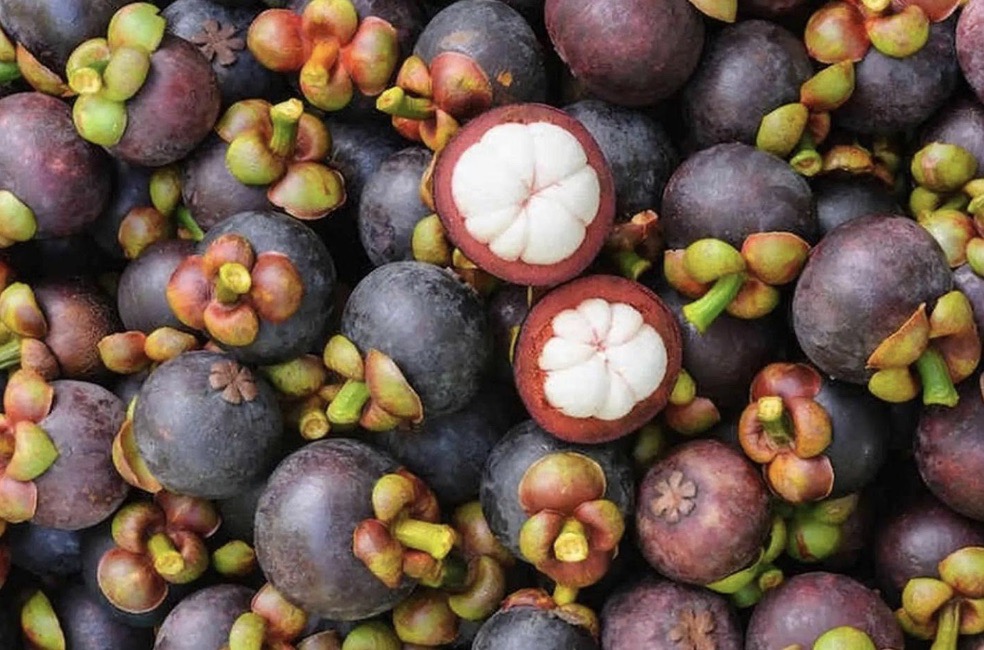
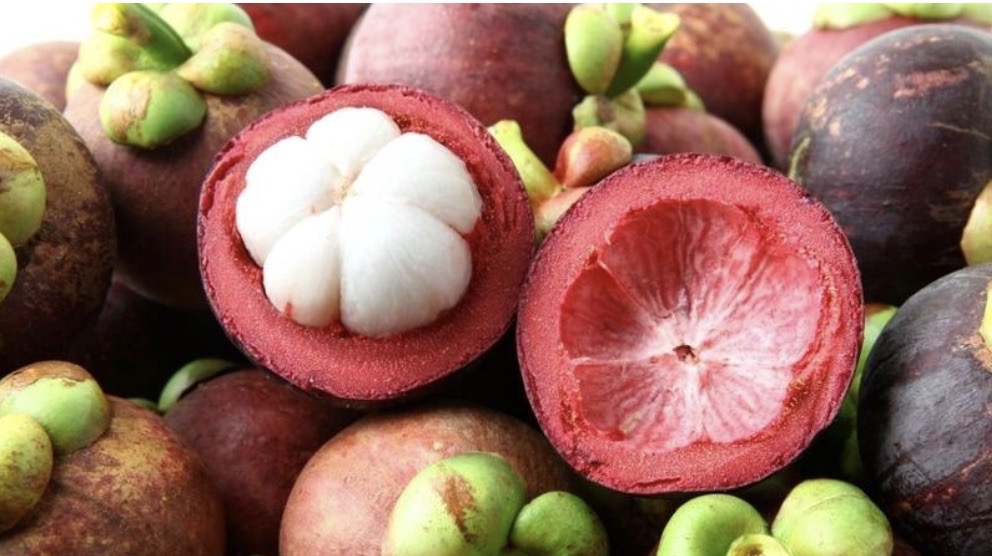
The mangosteen (Garcinia mangostana) occupies a unique position in the global premium fruit market. Its combination of visual elegance (deep purple black rind enclosing snow white segmented flesh), exceptional flavour (sweet, slightly floral, perfectly balanced acidity), and a nutritional profile rich in xanthones a class of plant compounds with strong antioxidant properties has made it one of the most sought-after tropical fruits among health-conscious consumers in China, Hong Kong, South Korea, Japan, the EU, and the Middle East.
Vietnam is not the world's largest mangosteen producer Thailand and Indonesia hold that position but Vietnamese mangosteen occupies a distinct quality niche. The country's growing regions deliver fruit with flavour characteristics that are meaningfully different from Thai equivalents, and geographic proximity to China gives Vietnamese mangosteen a logistical advantage for fresh export that is commercially significant during the peak mangosteen season Vietnam window.
The brevity of the season typically 8-12 weeks from first harvest to end of commercial availability creates the supply chain pressure that makes advance planning non-negotiable for serious buyers. Processors, cold chain operators, and export logistics providers all experience peak demand simultaneously during mangosteen season. Capacity is finite. Buyers who have not secured allocation before the season opens consistently find themselves competing for what remains after committed partners have taken their share.
When Is Mangosteen Season Vietnam? A Regional Timing Guide
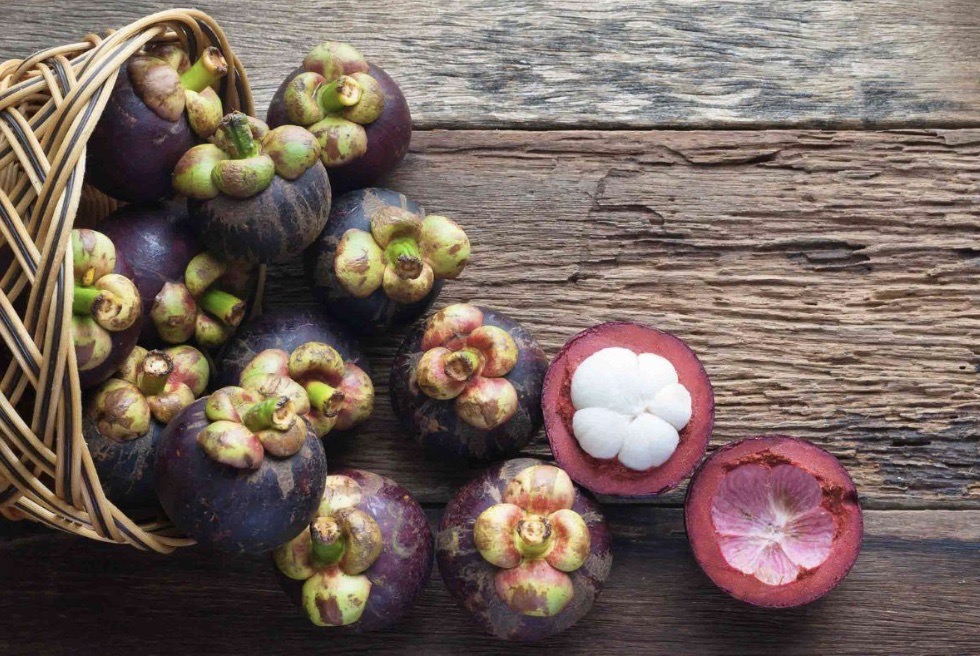
The timing of mangosteen season Vietnam varies by region, altitude, and annual weather conditions. The following calendar reflects typical historical patterns, actual dates shift by 2-4 weeks depending on rainfall timing and temperature during the flowering period:
| Region | Season Timing | Quality Profile | Notes |
|---|---|---|---|
| Binh Duong Province | May - July | Classic Vietnamese mangosteen: balanced sweetness, deep purple rind | Historically the largest production province; some plantation decline in recent years as land use changes |
| Ben Tre (Mekong Delta) | June - August | Slightly more acidic, excellent juice content | Expanding production; good cold chain infrastructure for fresh export |
| Lam Dong (Central Highlands, 800-1,200m altitude) | June - July | Lower volume, distinctive flavour complexity from altitude variation | Premium positioning; cooler growing conditions produce nuanced sweetness profile |
| Phu Quoc Island | May - June | Small production volume, local market focus | Niche and boutique; not a meaningful commercial export volume source |
The most commercially significant mangosteen season Vietnam window runs from late May through July, when Binh Duong and Ben Tre provinces are simultaneously in production and total available volume is highest. This is the period when fresh export pricing is most competitive and processing capacity for value added formats is most accessible.
Growing Conditions That Define Mangosteen Season Vietnam Quality
Mangosteen is one of the most demanding tropical fruits to grow a fact that directly shapes both the quality and the pricing dynamics of mangosteen season Vietnam. Understanding the agronomic requirements helps buyers evaluate supplier claims about origin and quality.
Mangosteen trees require annual rainfall of at least 1,500mm, distributed relatively evenly throughout the year with a distinct dry period to trigger flowering. They grow best in humid tropical conditions with temperatures between 25 and 35 degrees C and are extremely sensitive to frost, drought, and soil waterlogging. Established trees take 7-10 years from planting to first commercial fruit production which is why mangosteen supply cannot be rapidly scaled in response to demand spikes, and why supply shortfalls during prime season create immediate price pressure.
Vietnam's best mangosteen growing areas particularly Binh Duong and the more humid parts of the Mekong Delta meet these conditions well. The altitude zones of Lam Dong add an interesting quality dimension: cooler nights during fruit development slow the sugar-accumulation process and produce a more complex flavour profile that commands a premium from buyers who understand the distinction.
Fresh Mangosteen vs. Processed Formats: Supply Options Beyond the Fresh Season
The fresh mangosteen season Vietnam window is short, but the commercial opportunity extends significantly beyond it through processed formats that preserve and extend the value of peak-season fruit:
Fresh Export: The Time Critical Window
Fresh mangosteen is the highest-value format and the most demanding logistically. Post-harvest shelf life at ambient temperature is 2-3 weeks; with proper cold chain management at 5-8 degrees C, this extends to 4-5 weeks sufficient for sea freight to China and air freight to more distant markets. The requirement for intact rind without cracks or browning is absolute for fresh export damaged rind renders the fruit commercially worthless in premium channels.
Fresh export quality grading is based on fruit size (diameter), rind colour uniformity, absence of damage, and Brix at harvest. Premium export grade runs 13–16 degrees Bx at peak ripeness a range that is measurable in the field using a portable refractometer and should be part of any quality specification for fresh mangosteen contracts.
Freeze-Dried Mangosteen: The Premium Processed Format
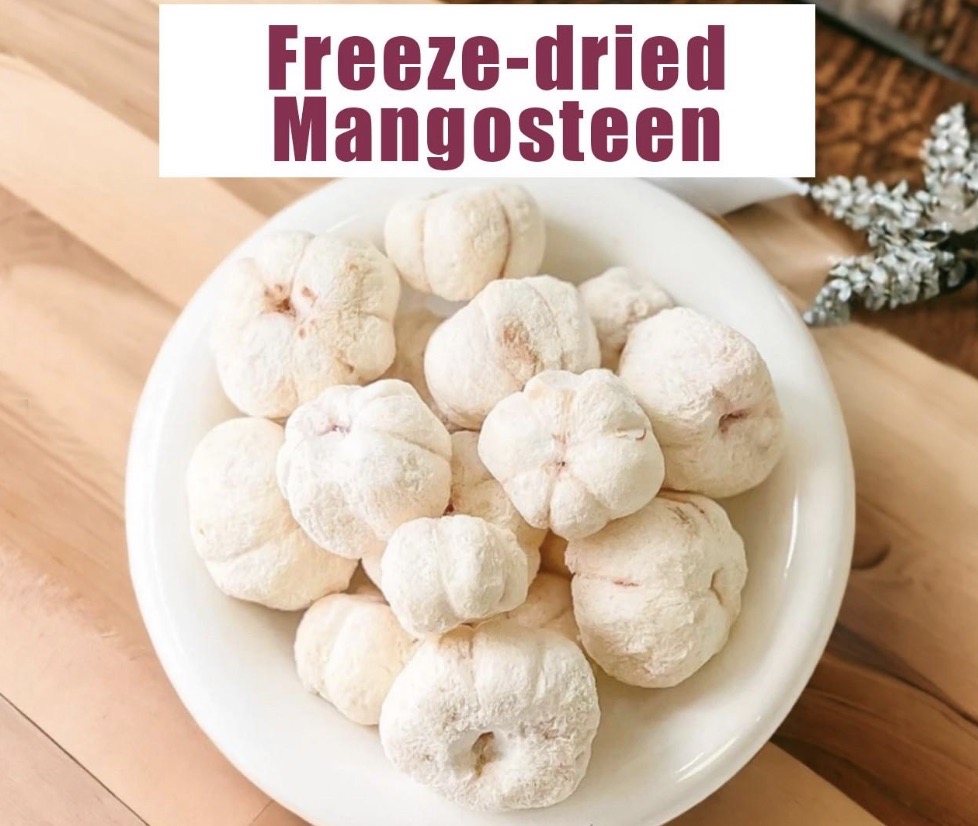
Freeze-dried mangosteen produced by lyophilization of fresh or frozen mangosteen flesh is the most commercially promising processed format from mangosteen season Vietnam. The process preserves the fruit's natural colour, flavour, and xanthone content with exceptional fidelity while achieving a moisture content below 2% and a shelf life of 18-24 months at room temperature.
Freeze-dried mangosteen chips crispy, intensely flavoured, visually striking command retail premiums of 10-15x the fresh fruit equivalent weight. Strong demand comes from Korean health food retail, Japanese specialty food channels, and Chinese premium e-commerce platforms. The investment required in freeze drying equipment makes this format the domain of specialist processors rather than general dried fruit manufacturers.
Mangosteen Extract, Powder, and Nutraceutical Formats
Mangosteen's xanthone content particularly alpha mangostin, the primary bioactive compound has driven significant investment in mangosteen extract and powder products for the nutraceutical, supplement, and functional food markets. Whole-fruit mangosteen powder (including rind, which contains the highest xanthone concentration) is used in supplement capsules, health beverages, and functional snack formulations.
This is a specialised segment requiring both production capability and regulatory knowledge for each target market (supplement regulations vary significantly between EU, US, and Asian markets). Buyers interested in mangosteen extract or powder should verify that suppliers can provide xanthone content certificates and that their production process meets the applicable food supplement manufacturing standards.
Supply Chain Planning for Mangosteen Season Vietnam
- Secure allocation commitments by March: For the May-July main season, processing and cold chain capacity is routinely committed by March. Buyers seeking meaningful fresh or processed volume should initiate supplier conversations in January-February.
- Specify quality parameters explicitly: Fresh mangosteen contracts should specify minimum Brix at harvest, maximum allowable percentage of damaged or cracked rind, minimum fruit diameter, and phytosanitary certificate requirements for your target import market.
- Plan for weather variability: Mangosteen flowering is sensitive to the timing of the dry season that precedes it. Late or irregular rainfall can delay the season by 2-4 weeks and reduce total crop volume. Build flexibility into your supply commitments to accommodate this variability.
- Build buffer inventory through processed formats: Freeze dried mangosteen, extract, or powder ordered during peak season can supply your product line for 12-18 months after the fresh window closes. Building this buffer prevents the supply gaps that erode distribution relationships.
- Visit during harvest: There is no substitute for first-hand assessment during mangosteen season Vietnam. On site visits during June or July allow buyers to assess orchard condition, meet farming partners, and evaluate fresh fruit quality directly before committing to supply agreements.
Conclusion: Mangosteen Season Vietnam as a Strategic Sourcing Opportunity
Mangosteen season Vietnam rewards buyers who approach it with preparation, specific quality requirements, and established supplier relationships. The combination of exceptional fruit quality, competitive pricing during the seasonal window, and the growing availability of premium processed formats creates commercial opportunities that extend well beyond the 8-12 week fresh harvest period.
For brands targeting health-conscious consumers in Asian, European, and Middle Eastern markets, Vietnamese mangosteen in fresh, freeze dried, or extract format offers a genuinely differentiated ingredient with a strong nutritional story, visual appeal, and flavour character that stands apart from more familiar tropical fruit options.
Inquire about seasonal mangosteen availability or connect with Nong Lam Food's sourcing team at vietnamdriedfruits.vn for guidance on Vietnamese tropical fruit supply chain planning.
Related information
- Brown Coconut Benefits: Green vs Brown Coconut Nutrition Explained
- How Do They Freeze Dry Fruit and How Does It Compare to Heat Pump Drying?
- Antioxidant Fruit List: The Best Fruits for Fighting Oxidative Stress
- Vietnam Durian Seasons Explained: When to Source the Best Quality
- The Ultimate Fruit Season in Vietnam Calendar for B2B Importers
- How Do You Dry Limes for Flavored Coatings? A Technical Overview
PRODUCT CATEGORIES
NEWS

Partner with us to provide and elevate healthier food options while supporting sustainable agriculture with a passion to serve and a commitment to innovation. Together, we can improve the lives of disadvantaged farmers and generate a positive impact!

