




Dedicated Manufacturer and Exporter of Premium Dried Fruits, Natural Fruit Bars, and Flavored & Coated Nuts
- Home
- /
- Knowledge Hub
- /
- Dry Fruits for Weight Loss: Which Ones Work and How to Choose Wisely
Dry Fruits for Weight Loss: Which Ones Work and How to Choose Wisely
Dry fruits for weight loss can be a genuinely smart dietary choice or a high-calorie trap dressed up in health-food packaging depending entirely on which varieties you select, how they were processed, and how much you consume in a single sitting. The good news is that the distinction is not complicated once you know what to look for. This guide covers the nutritional science, the best and worst options for weight management goals, and the label-reading skills that separate a well-chosen dried fruit from a confectionery product with clever marketing.
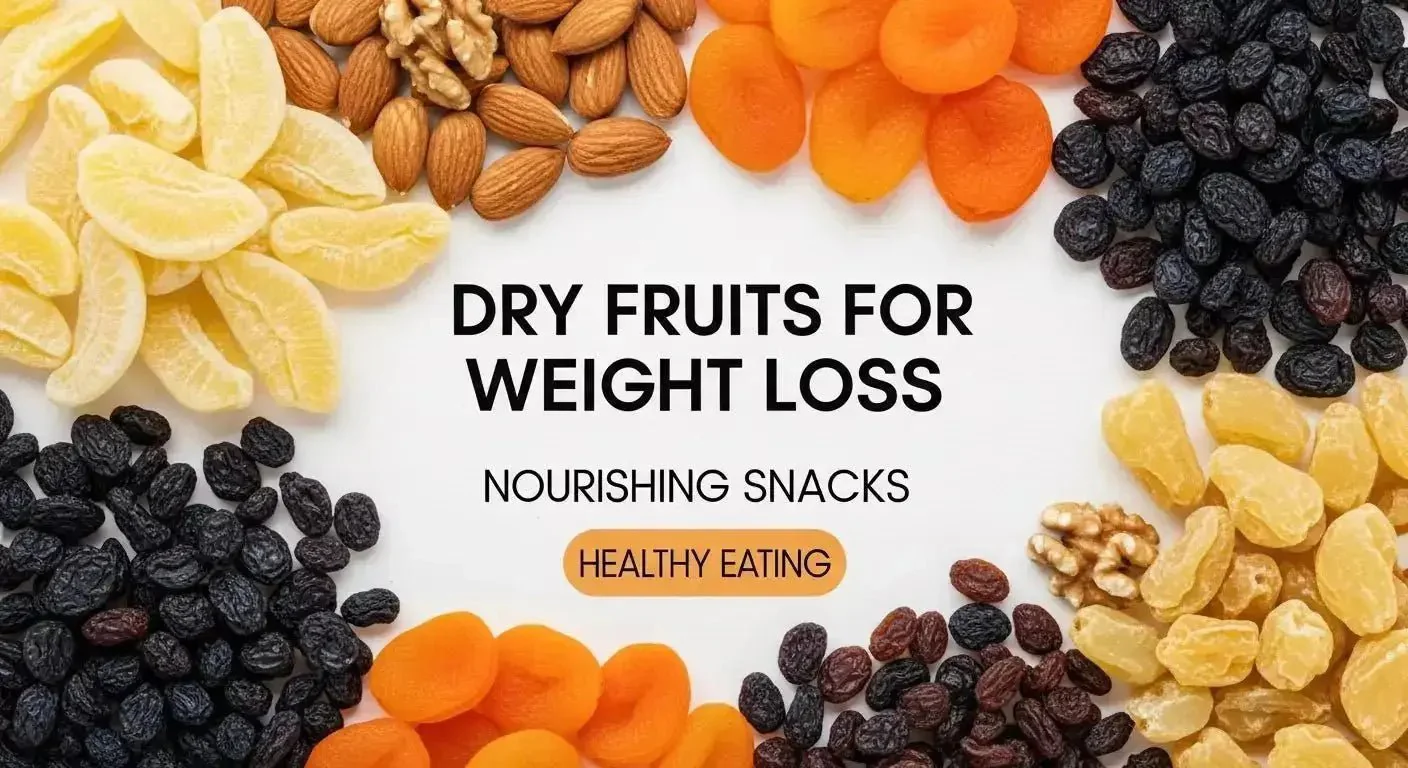
Can Dry Fruits for Weight Loss Actually Work? The Nutritional Science
The short answer is yes but with important conditions attached. Dried fruits are calorie-dense: removing 75-85% of the water from fresh fruit concentrates the energy, sugar, and nutrients into a much smaller volume. A 30g serving of dried mango, for example, delivers the nutritional equivalent of approximately 150g of fresh mango. This concentration is precisely what makes dried fruit both nutritionally valuable and easy to overconsume.
What makes dry fruits for weight loss a legitimate dietary tool rather than a food to avoid is their fibre content, their satiety effect, and their nutrient density. Dietary fibre slows gastric emptying, which extends the feeling of fullness after eating. It also moderates the glycaemic response to the natural sugars in dried fruit, reducing the rapid blood glucose spike that drives subsequent hunger and cravings. Research consistently shows that higher dietary fibre intake is associated with healthier body weight over time.
The critical variable is added sugar. A dried fruit product where the fruit's natural sugar has been moderately concentrated through drying is a very different product from one where glucose syrup or sucrose has been added during processing to improve texture and sweetness. The first is nutrient-dense food. The second is closer to a candy with fruit in it. Reading the label is therefore the first practical skill for anyone incorporating dry fruits for weight loss into their diet.

Best Dry Fruits for Weight Loss: Ranked by Fibre and Sugar Balance
Lowest Sugar, Highest Fibre: The Best Dry Fruits for Weight Loss Goals
- Dried passion fruit: One of the most compelling dry fruits for weight loss available. Passion fruit is exceptionally high in dietary fibre even in dried format, it retains a fibre-to-calorie ratio that is among the best of any dried fruit. Its natural tartness also means it requires little to no added sugar to deliver a satisfying flavour experience. The intense tropical aroma makes it highly satisfying as a small-portion snack.
- Dried guava: Guava in dried form offers one of the highest fibre densities of any commonly available dried fruit. Its relatively low natural sugar content means that even after the concentration effect of drying, a 30g serving remains well within reasonable sugar intake limits. Guava also contains Vitamin C and lycopene antioxidants that support overall health beyond weight management.
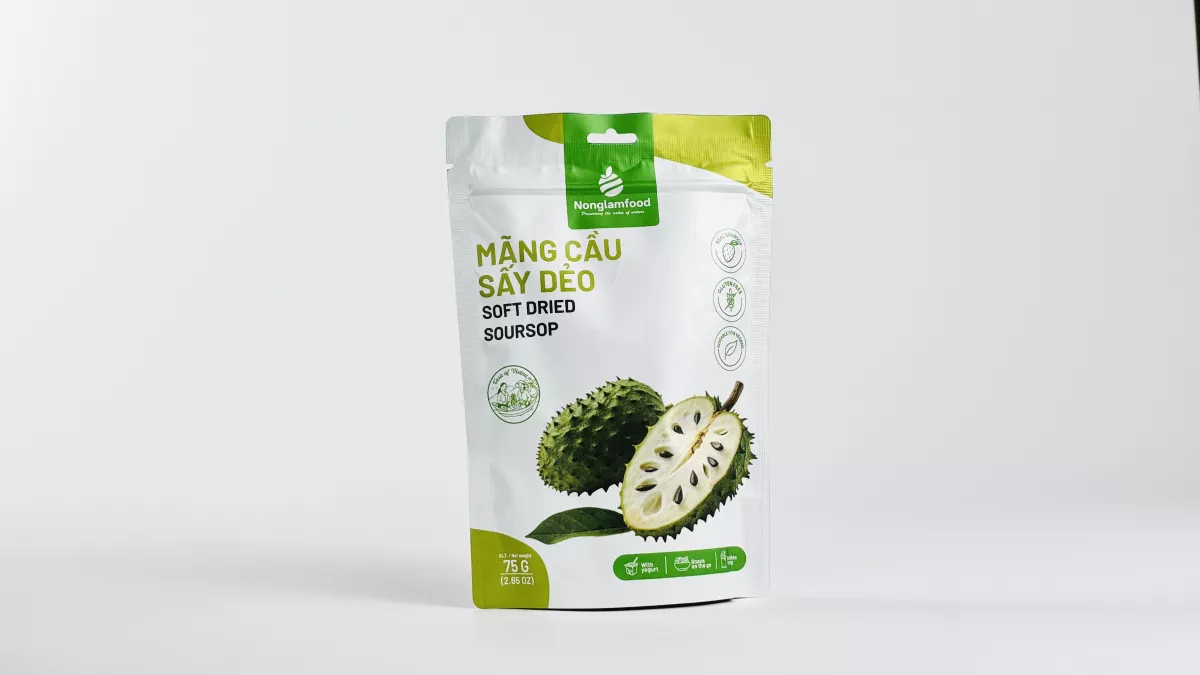
- Dried soursop: Soursop has a naturally low glycaemic character relative to its sweetness it tastes more indulgent than its sugar content suggests. In dried format, it delivers a creamy, intensely tropical flavour in small portions, making it one of the most satisfying dry fruits for weight loss from a portion control perspective.
Good Choices: Dry Fruits for Weight Loss With Portion Awareness
- Dried mango (no added sugar): Mango is higher in natural sugar than passion fruit or guava, but a high-quality no-added-sugar dried mango particularly one produced by heat pump drying with limited sugar addition remains a nutritionally sound choice in appropriate portions. It delivers beta-carotene, Vitamin C precursors, and dietary fibre alongside its natural sweetness. The key phrase on the label is "no added sugar": this distinguishes a natural dried mango from one that has been soaked in glucose syrup.
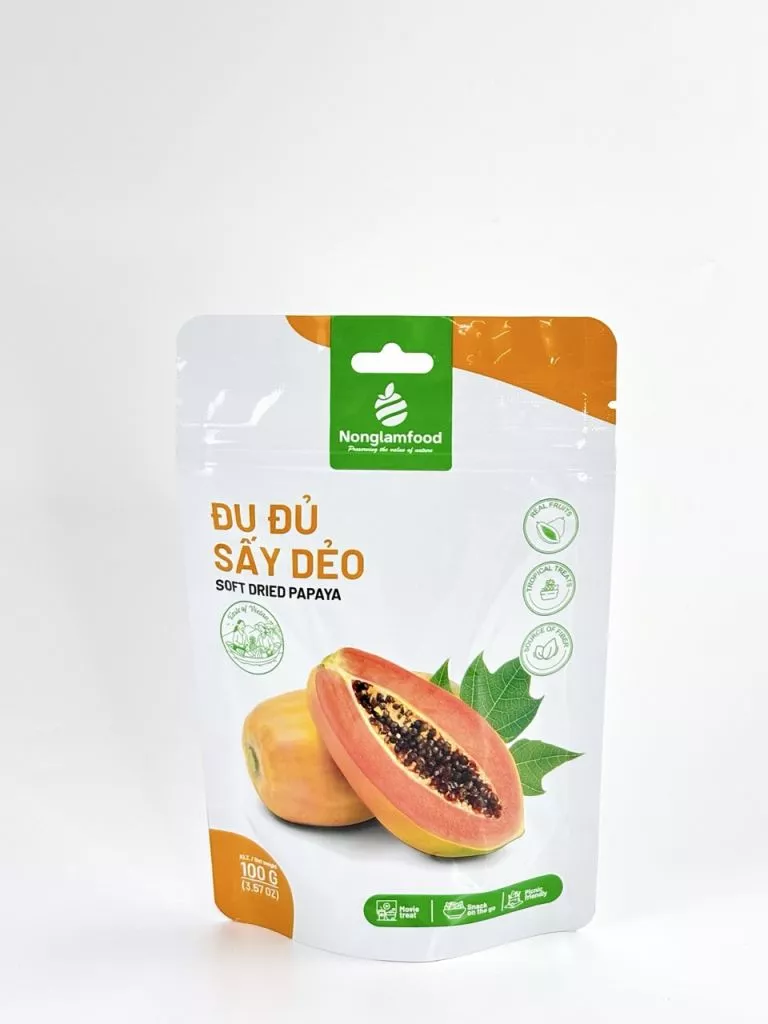
- Dried papaya: Papaya contains papain, a naturally occurring digestive enzyme that survives the drying process in partial form and may support digestive comfort a factor relevant for anyone managing weight through dietary change. Its mild, gentle sweetness and soft texture make it one of the most accessible dry fruits for weight loss among consumers new to dried tropical fruit.
- Dried dragon fruit: Rich in betacyanins the antioxidant pigments responsible for its vivid colour dried dragon fruit is nutritionally distinctive. Its natural sugar content is moderate, and its visual appeal makes it genuinely satisfying as part of a mixed dried fruit portion. The antioxidant profile supports overall metabolic health alongside its role as a weight-conscious snack.
Use With Caution: Higher-Sugar Dry Fruits
These options are nutritious but calorie-dense enough to work against weight loss goals if portion discipline is not applied:
- Dates: Very high in natural sugar (approximately 65-70g per 100g in dried form). Nutritious good fibre, potassium, magnesium but portion sizes must be strictly limited to 2-3 dates per serving.
- Raisins and sultanas: Natural sugar content of 65-75g per 100g. High antioxidant value (resveratrol in dark raisins), but easy to overconsume due to small individual size.
- Commercially produced dried mango with added sugar: Products listing glucose syrup, sucrose, or 'sugar' as a second or third ingredient can contain 20-30g of added sugar per 100g pushing the product firmly into confectionery territory. Check the label carefully.
- Chocolate-dipped dried fruits: These are a treat format, not a weight loss tool, regardless of the quality of the dried fruit underneath the coating. Enjoy them as an occasional indulgence rather than a daily snack.
How Drying Method Affects Which Dry Fruits Are Best for Weight Loss
The production process used to make dried fruit affects not only its nutritional profile but also its suitability as a weight management food in ways that are not immediately visible from the label alone.
Conventional hot air drying at 65-80 degrees C throughout the process degrades heat-sensitive nutrients including Vitamin C and dietary polyphenols. It also tends to require higher sugar addition to compensate for the flavour loss that occurs at sustained high temperatures meaning conventionally dried fruit often has both less nutritional value and more added sugar than its heat pump dried equivalent.
Heat pump low-temperature drying specifically the two-stage process where Stage 2 operates at 25-30 degrees C preserves significantly more of the fruit's natural Vitamin C and polyphenol content. It also requires less compensatory sugar addition, because the natural fruit flavours are retained rather than baked away.
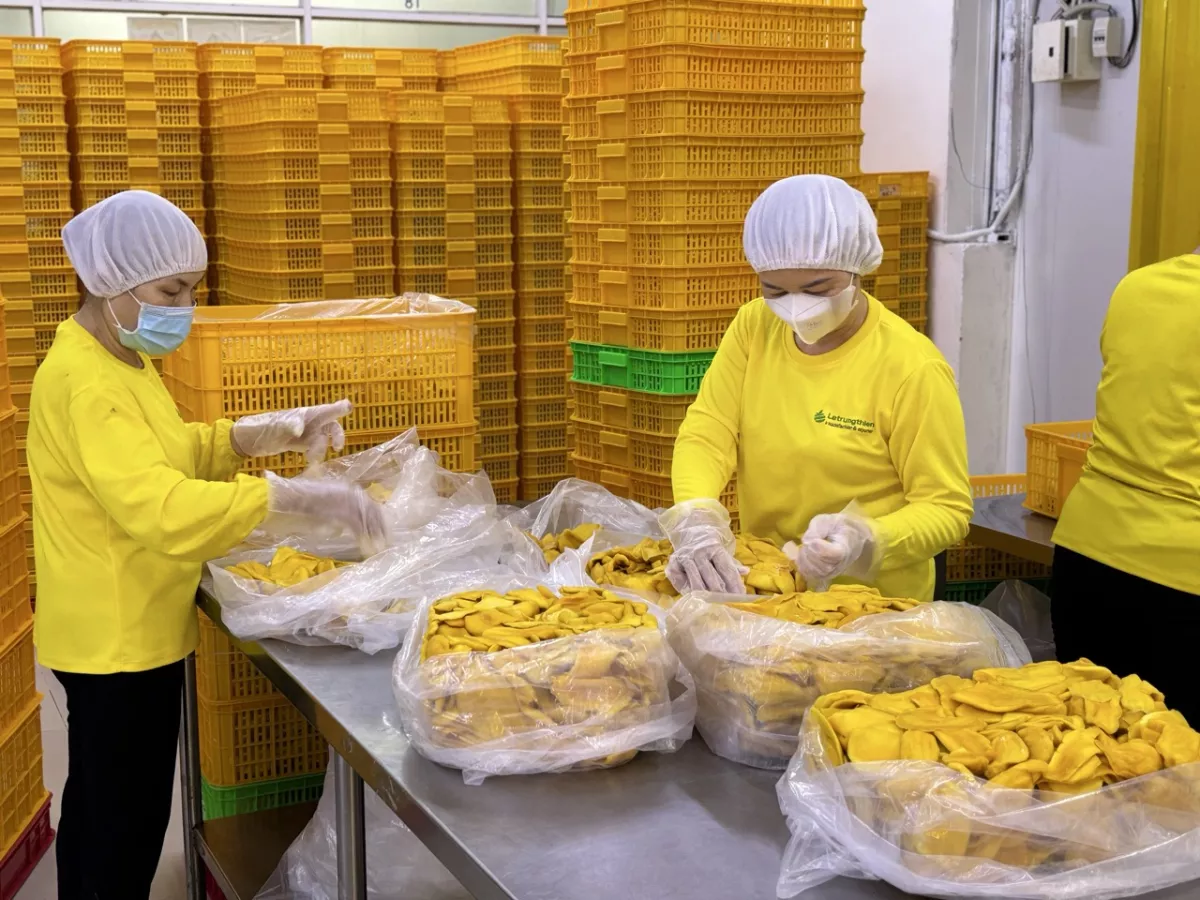
For consumers choosing dry fruits for weight loss, this means heat pump dried products deliver more nutritional benefit per calorie a genuinely meaningful difference. Nong Lam Food's limited sugar philosophy is a direct expression of this approach. By applying heat pump drying technology and limiting sugar addition to what is necessary for good texture and mouthfeel, the company's products land in the most appropriate segment for health-conscious consumers naturally flavourful, lower in added sugar, and richer in the bioactive compounds that make dried tropical fruit genuinely functional food.
How to Use Dry Fruits for Weight Loss: Practical Daily Guidance
- Control the portion first: 30-40g of dried fruit per day is a sensible guideline for most adults. Pre-portion your serving rather than eating directly from the bag small, easily-eaten pieces make mindless overconsumption easy.
- Pair with protein or healthy fat: Combining dried fruit with Greek yogurt, unsalted nuts, or cottage cheese slows glucose absorption, extends the satiety window, and moderates the glycaemic impact of the natural sugars. This combination is one of the most effective ways to incorporate dry fruits for weight loss without triggering post-snack hunger.
- Time your consumption strategically: Dried fruit before exercise provides a compact source of natural carbohydrate energy. As a mid-afternoon snack, it bridges the gap between lunch and dinner more nutritionally than biscuits or crisps. Avoid consuming large portions late in the evening when energy expenditure is lowest.
- Use as a natural sweetener replacement: Blend dried mango or dried passion fruit into smoothies instead of adding honey or syrup. Chop dried papaya into oats instead of adding brown sugar. These substitutions reduce overall added sugar intake while maintaining flavour satisfaction.
Conclusion: The Right Dry Fruits for Weight Loss Make the Difference
Dry fruits for weight loss work best when they are selected for low added sugar content and high fibre density, consumed in controlled 30-40g portions, and produced using processes that preserve rather than degrade nutritional value. The tropical varieties passion fruit, guava, soursop, dragon fruit, and no-added-sugar mango represent the most nutritionally appropriate choices for weight-conscious consumers in the global dried fruit market.
The underlying principle is simple: dried fruit should be food, not confectionery. When it is when the ingredients list is short, the added sugar is minimal, and the production process has preserved the fruit's natural character it earns its place as a genuinely useful dietary tool for anyone managing their weight through smarter food choices.
Note: The information in this article is for general dietary guidance only and does not constitute medical advice. Individuals with specific health conditions or dietary requirements should consult a qualified healthcare professional before making significant dietary changes.
Explore Nong Lam Food's range of low-sugar, naturally dried tropical fruits at vietnamdriedfruits.vn - products developed with health-conscious consumers in mind, using heat pump drying technology and limited sugar addition.
Related information
- Best Frozen Mango: What to Look for and Why Vietnam Dominates the Export Market
- Nutrient Rich Dried Fruits: What Science Says About Their Health Benefits
- How to Dry Fruit at Home — And Why Serious Brands Go Professional
- Antioxidant Fruit List: The Best Fruits for Fighting Oxidative Stress
- How Do They Freeze Dry Fruit and How Does It Compare to Heat Pump Drying?
- Brown Coconut Benefits: Green vs Brown Coconut Nutrition Explained
PRODUCT CATEGORIES
NEWS

Partner with us to provide and elevate healthier food options while supporting sustainable agriculture with a passion to serve and a commitment to innovation. Together, we can improve the lives of disadvantaged farmers and generate a positive impact!

