


Dedicated Manufacturer and Exporter of Premium Dried Fruits, Natural Fruit Bars, and Flavored & Coated Nuts
- Home
- /
- Knowledge Hub
- /
- Mango Season in Vietnam: Harvest Windows, Varieties & What to Buy
Mango Season in Vietnam: Harvest Windows, Varieties & What to Buy
Mango season in Vietnam is one of the most important and eagerly anticipated events in the country's agricultural calendar producing some of the world's most flavorful, export-grade mango varieties across a harvest window that spans several months and multiple growing regions. For importers, food brands, and distributors, understanding when Vietnamese mangoes peak, which varieties deliver the best processing yield, and how the fruit transitions from fresh to premium dried products is the foundation of a reliable, cost-efficient sourcing strategy.
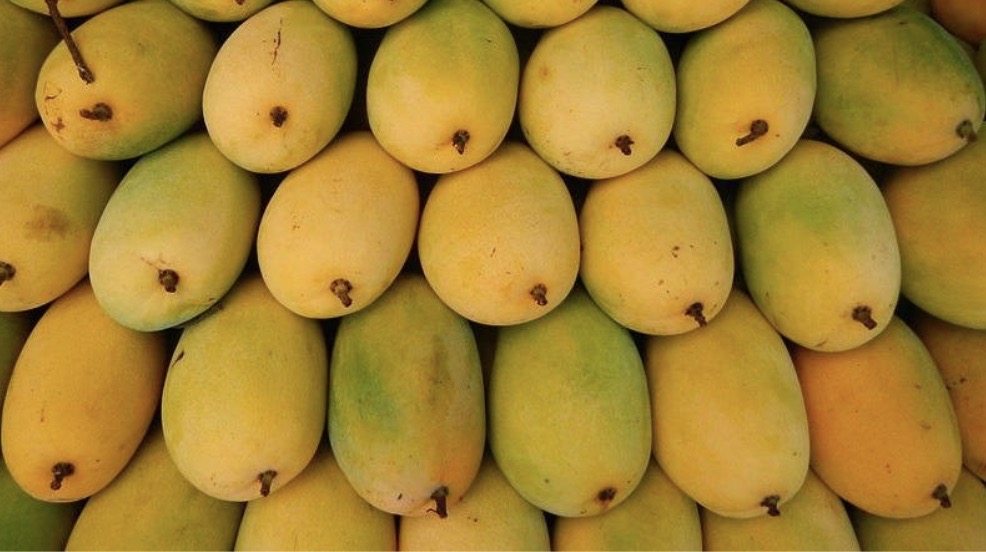
Vietnam's Mango Industry: Why Mango Season Matters for Global Buyers
Vietnam is one of Southeast Asia's leading mango producers, with an annual output that consistently places it among the top regional exporters. The country's tropical climate combined with decades of grafting research and variety development has produced mango cultivars that are genuinely competitive on the world stage, both for fresh export and for high-value dried fruit processing.
Key export destinations for Vietnamese mango include China (the dominant market by volume), the United States, European Union member states, Japan, South Korea, and the Middle East. Each market has specific quality preferences; Chinese buyers tend to prioritise size and visual appearance, while EU and US buyers increasingly focus on sugar content, residue compliance, and processing certification.
What makes the mango season in Vietnam strategically important for international buyers is the combination of competitive raw material pricing during peak harvest and the growing availability of advanced processing infrastructure. During the main season, fresh mango supply far exceeds domestic consumption creating the ideal window for processors and exporters to secure high-quality raw material at favourable prices.
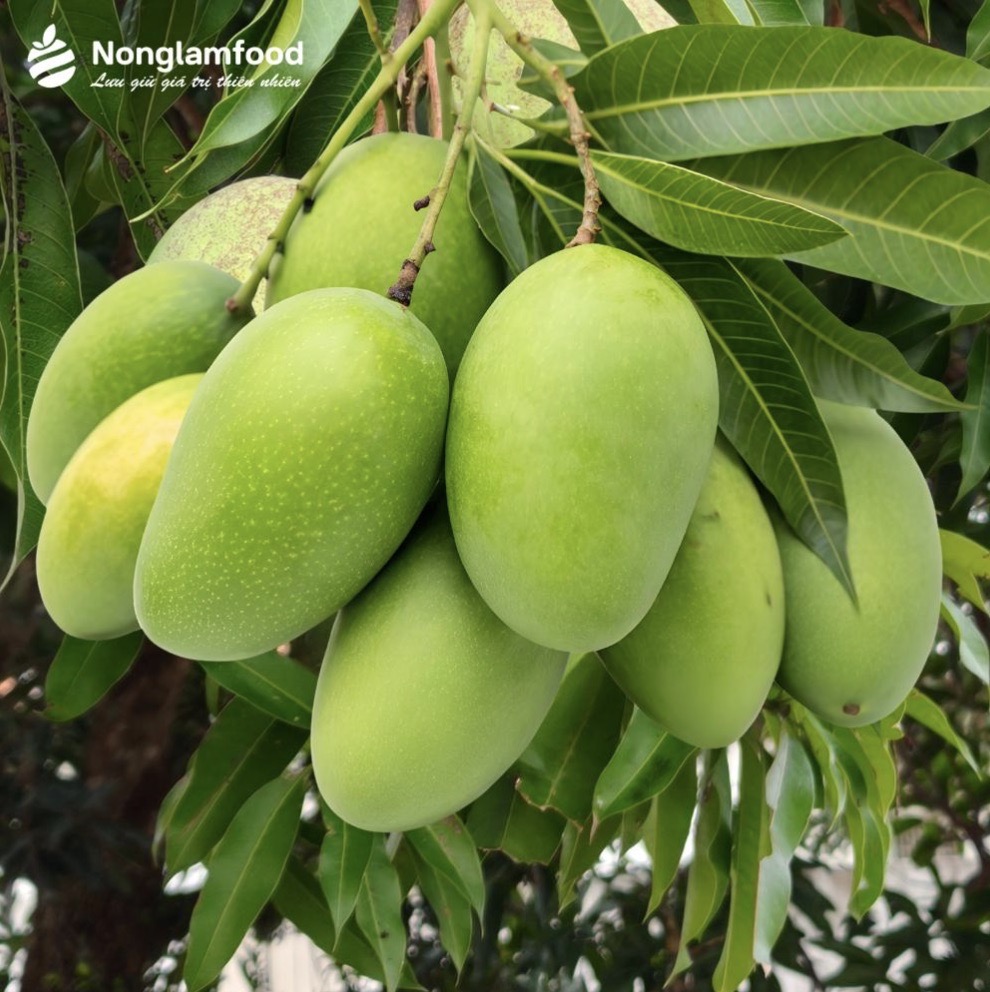
When Is Mango Season in Vietnam? A Regional Timing Guide
Vietnam's geographic length means that mango season in Vietnam does not follow a single national calendar. Harvest timing varies significantly by region, giving savvy buyers the opportunity to source sequentially across growing areas and extend their access to peak-quality fresh mango well beyond a single seasonal window.
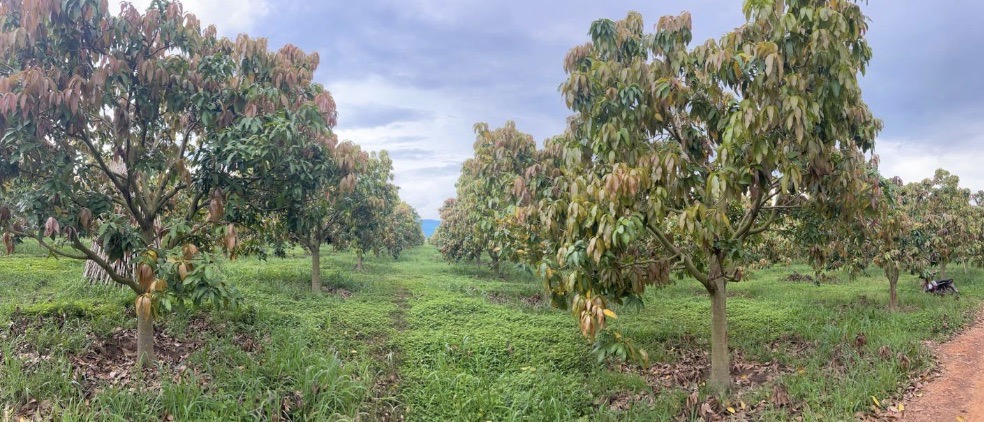
Main Mango Season in Vietnam March to June (Southern Provinces)
The primary mango harvest runs from March through June in the southern provinces of the Mekong Delta particularly Tiền Giang, Đồng Tháp, An Giang, and Vĩnh Long. These provinces account for the majority of Vietnam's commercial mango production and are the source of most export-grade fruit. Main-season mangoes are characterised by higher Brix readings (typically 16-20°Bx depending on variety), deeper skin colour, and better processing yield per kilogram.
For buyers sourcing dried mango, this is the most cost-effective window: peak supply drives competitive raw material pricing, and fruit maturity delivers the concentrated natural sweetness that defines premium dried mango quality.
Off-Season Mango Harvest October to January
Through the use of grafted trees and artificial flowering techniques including KClO₃ (potassium chlorate) applications and canopy pruning Vietnamese mango farmers have developed the ability to produce off-season crops between October and January. This horticultural practice has transformed mango from a strictly seasonal commodity into a near year-round supply option.
Off-season mango commands a price premium of 20-40% above main-season fruit due to lower volume and higher production cost. Quality is generally good, though Brix levels and colour intensity can be slightly lower than main-season equivalents. For brands requiring year-round supply continuity, the off-season harvest is a critical buffer particularly when combined with dried mango inventory built during the main season.
Mango Season Vietnam: Harvest Calendar by Region
| Region | Main Season | Off-Season / Secondary | Key Varieties |
|---|---|---|---|
| Tiền Giang, Đồng Tháp | March - June | October - December | Cát Hòa Lộc, Cát Chu, GL3 |
| An Giang, Vĩnh Long | April - June | November - January | Cát Chu, Thanh Ca |
| Khánh Hòa (Central) | February - April | - | Xoài Tượng, local varieties |
| Sơn La (Northern) | June - August | - | Xoài GL4, Đài Loan |
The staggered regional calendar means that a buyer working with multiple sourcing partners across Vietnam can access premium-quality mango from February through August in a single continuous window and supplement with off-season supply from October onward. This geographic diversity is one of Vietnam's most significant structural advantages over single-zone producing countries.
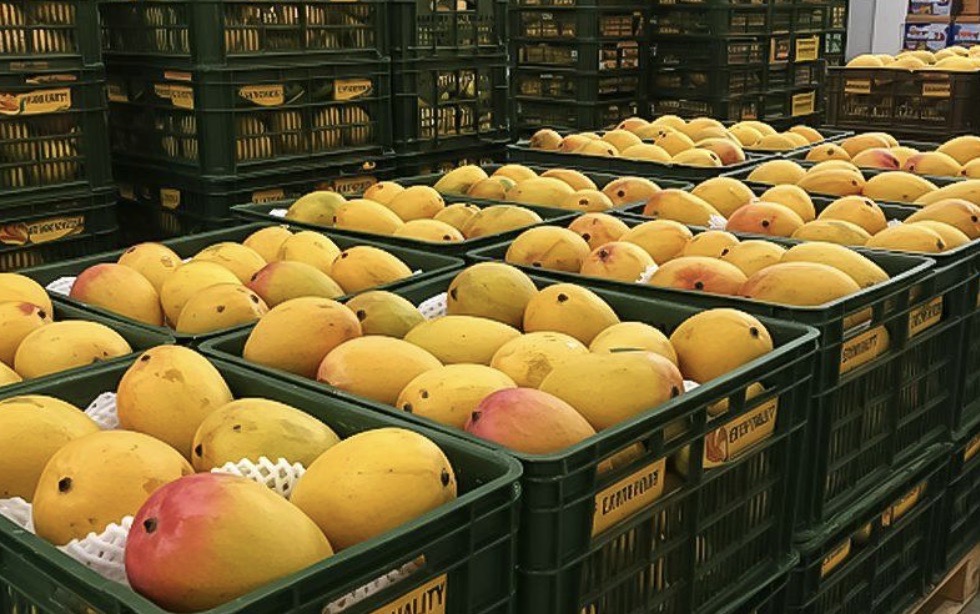
Top Vietnamese Mango Varieties Available During Mango Season
Not all Vietnamese mango varieties are created equal for export or processing purposes. The right variety depends on your target market, your intended product format (fresh, frozen, dried, pureed), and your quality benchmarks.
- Cát Hòa Lộc: Vietnam's premium fresh mango. Originating from Cái Bè district in Tiền Giang, this variety is characterised by its thin, smooth skin, virtually fibre-free flesh, buttery texture, and intensely aromatic sweetness. Brix typically runs 18-22°Bx. It commands the highest farmgate price of any Vietnamese variety and is increasingly sought by high-end fresh fruit importers and premium gift packaging brands. Limited processing into dried format the economics favour fresh export.
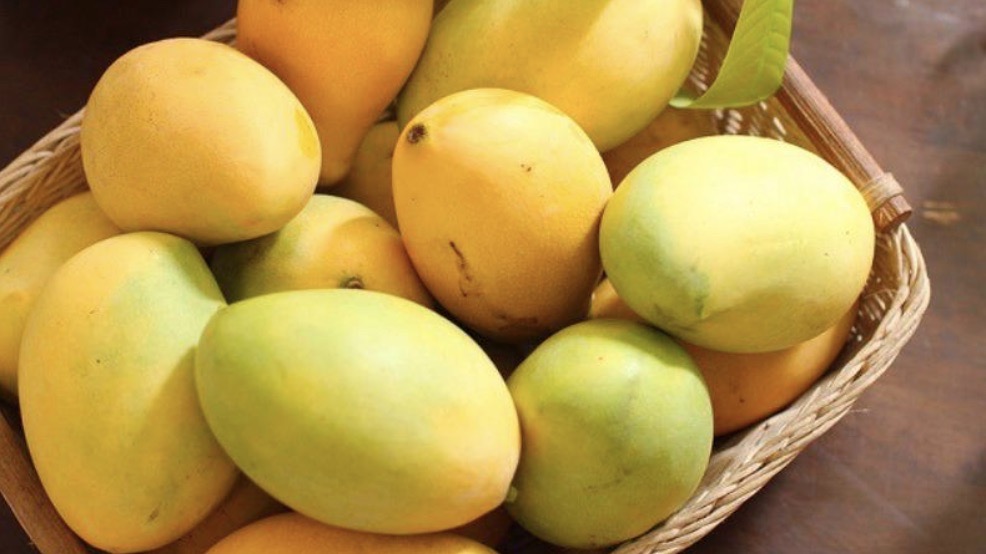
- Cát Chu: The workhorse of Vietnam's mango drying industry. Slightly smaller than Cát Hòa Lộc, with a good sugar-to-acid ratio that creates balanced flavour in dried formats. Cát Chu yields consistently across large plantation areas in the Mekong Delta and is the most widely used variety by dried fruit processors, including for heat pump dried mango slices and mango bars.
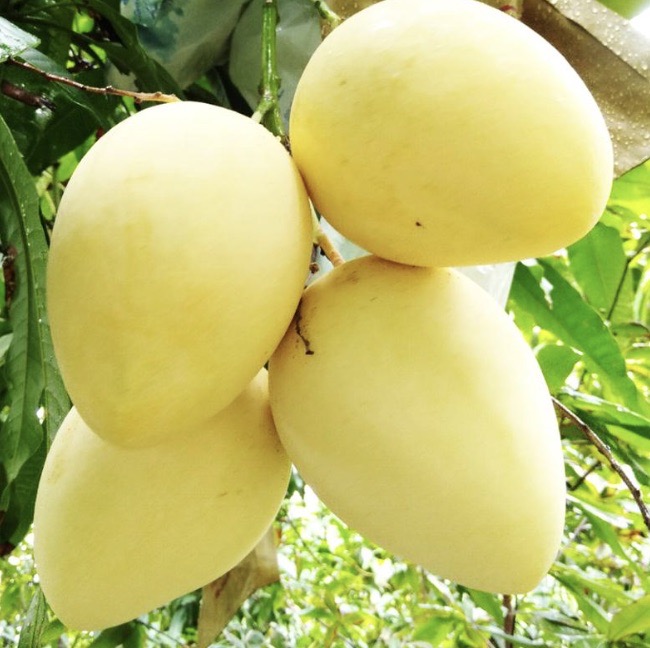
- GL3 (Green Label 3): A Thai origin grafted variety that has been widely adopted across southern Vietnam. GL3 produces large, visually impressive fruit with firm flesh and strong colour characteristics that make it attractive for both fresh export to China and for dried mango production where slice size and appearance matter. Brix range: 16-20°Bx.
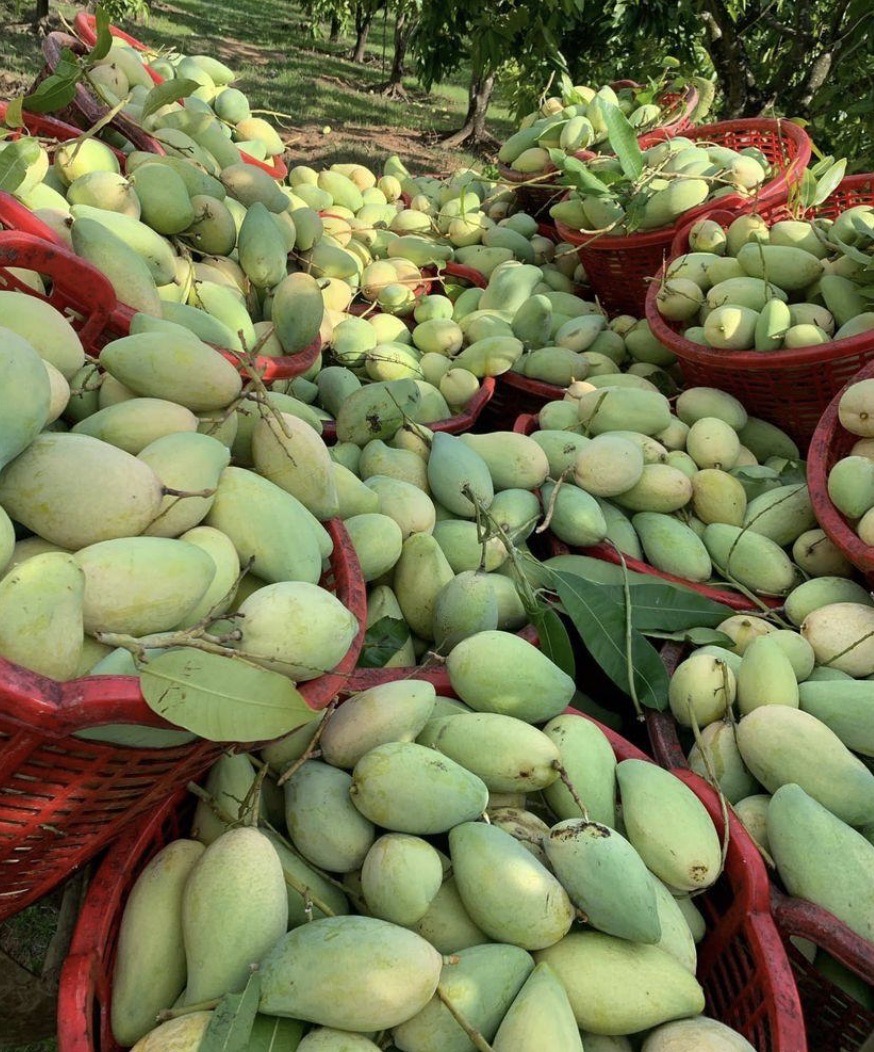
- Thanh Ca: A regional favourite in An Giang province, Thanh Ca has a distinctive tart edge that balances its sweetness making it interesting for flavoured dried mango formats, particularly lime-coated varieties where acid-forward fruit character works well with citrus coating.
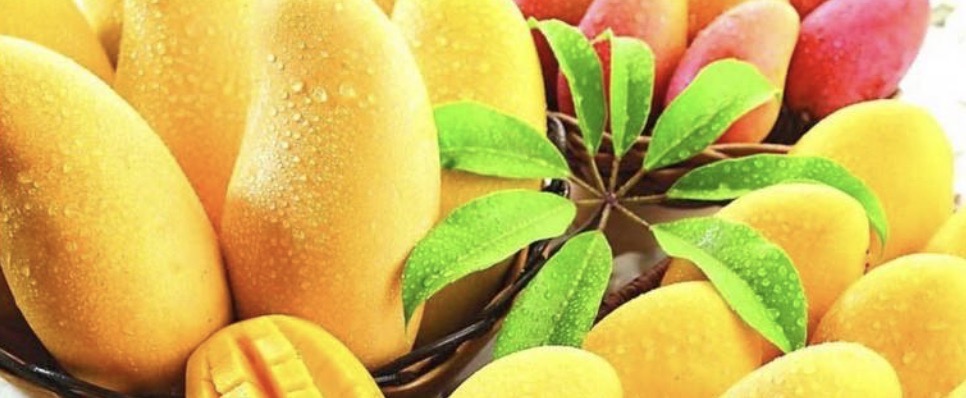
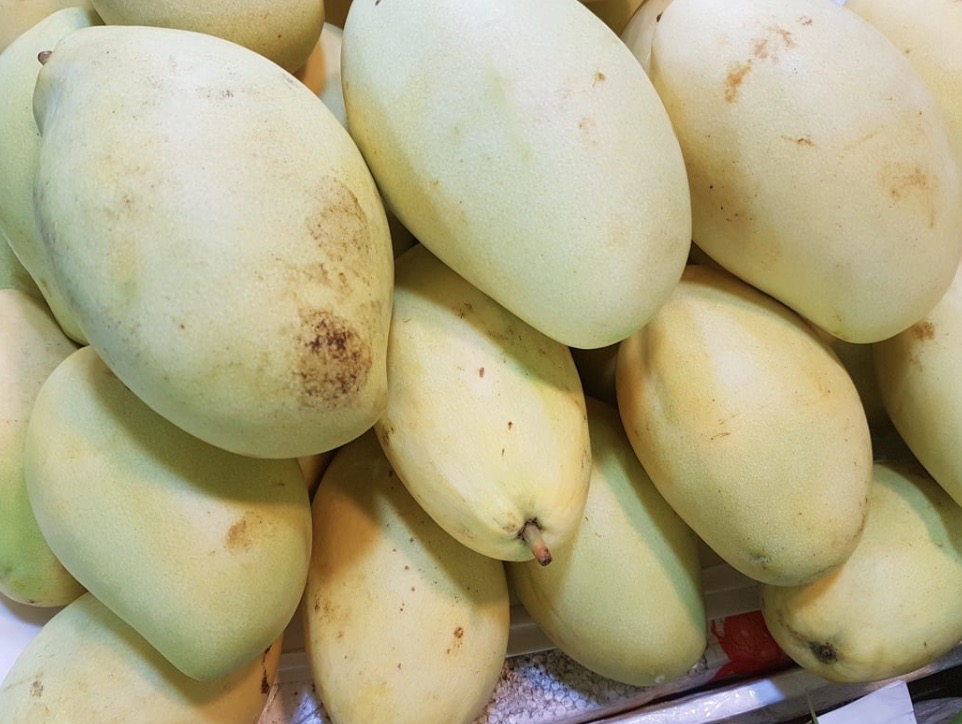
- Keo Mango (Xoài Keo): A variety of Cambodian origin that has become widely cultivated and well-loved across Vietnam. Xoài Keo is distinguished by its thick flesh, notably low fibre content, and a characteristic crispness that sets it apart from most other Vietnamese mango varieties. Its flavour profile changes markedly with ripeness. For processing applications, the ripe stage's low fibre content and good sugar concentration make it a viable candidate for dried mango production, particularly in formats where a firmer, less stringy bite is a desirable texture characteristic.
Fresh Mango vs. Dried Mango: What Changes During Processing
Understanding the transition from fresh to dried mango is important for buyers evaluating whether to source fresh fruit, frozen pulp, or finished dried mango and for brands developing product specifications.
Drying concentrates the natural sugars, flavour compounds, and fibre present in fresh mango. A 100g serving of fresh mango contains approximately 13-15g of natural sugar and 1.6g of dietary fibre. The equivalent weight of dried mango representing roughly 4-5 servings of fresh fruit will contain proportionally higher concentrations of both. This is why portion awareness matters with dried mango: the nutrient and calorie density per gram is significantly higher than the fresh equivalent.
The drying process also affects Vitamin C content. Conventional high-temperature drying (sustained at 65-75°C throughout) degrades heat-sensitive nutrients including Vitamin C and polyphenols. Dried mango vietnam produced using heat pump low-temperature technology where Stage 2 of the drying process operates at just 25-30°C retains significantly more of these sensitive nutrients. The difference is visible: heat pump dried mango retains the fruit's natural amber-golden colour, while conventionally dried mango often appears paler or slightly brown.
How Nong Lam Food Sources and Processes the Mango Season Vietnam Harvest
Nong Lam Food works directly with farm networks in the Mekong Delta during peak mango season in Vietnam prioritising Cát Chu and GL3 varieties at 80-90% ripeness for optimal processing yield and flavour balance. Sourcing during the main season allows access to the best raw material while maintaining competitive input costs.
The production process applies a two-stage heat pump drying approach guided by the principle of Preserving the Value of Nature. In Stage 1, hot drying air at 60-65°C removes free water from the mango slices rapidly. Because free water evaporation is an endothermic process it absorbs heat the product temperature remains well below the air temperature at this stage, limiting heat damage.
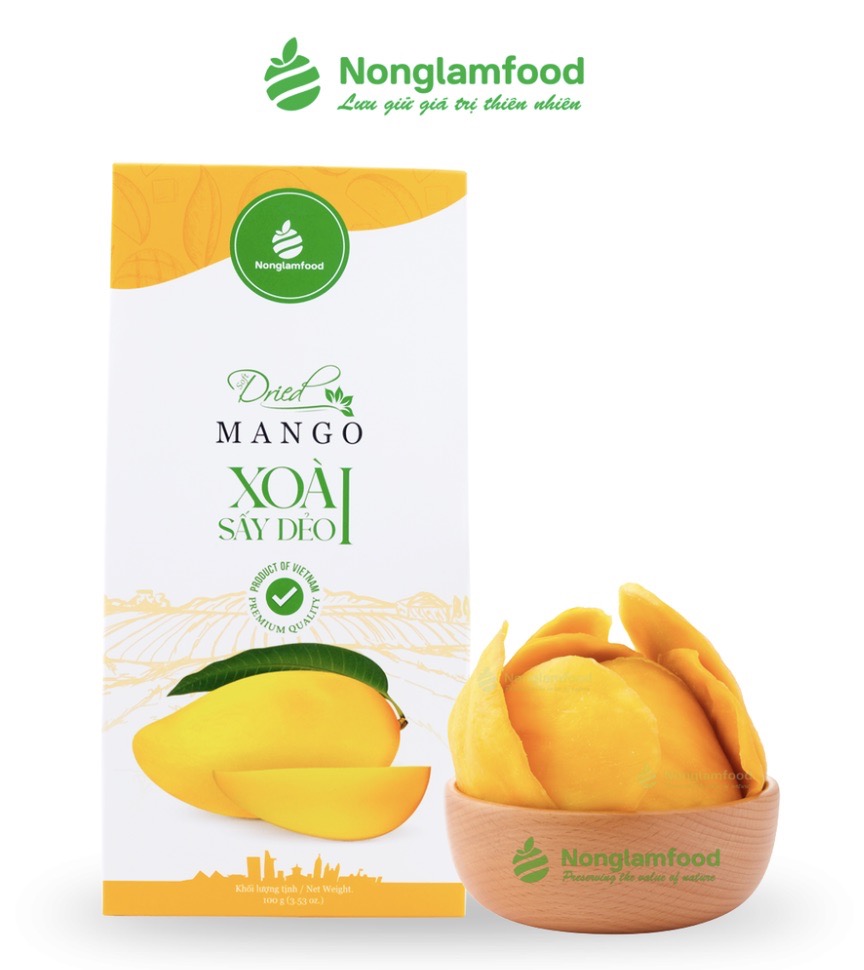
In Stage 2, once free water is removed, a heat pump condensing unit dries the air to below ambient humidity and the drying temperature drops to 25-30°C. This low-temperature stage removes the remaining bound moisture from within the fruit tissue without the thermal damage that would occur at higher temperatures. The result is dried mango with a deep amber-golden colour, concentrated natural aroma, and soft-pliable texture without the pale, caramel-toned characteristics typical of conventionally processed dried mango. Nong Lam Food's dried mango vietnam range includes soft-dried mango slices, mango bars, lime-coated dried mango, and chocolate-dipped dried mango all produced using this two-stage process with limited sugar addition.
Buyer's Guide: What to Look for When Sourcing During Mango Season in Vietnam
Whether you are sourcing fresh mango for direct export or contracting a processor for dried mango during the harvest season, the following quality indicators and commercial considerations apply.
| Quality Indicator | What to Look For |
|---|---|
| Colour (dried mango) | Deep amber to golden yellow. Pale or brownish tones indicate heat damage during drying. |
| Moisture content | 14-18% for soft-dried slices. Request product specification sheet from supplier. |
| Brix (fresh mango) | 16-20°Bx for main-season export-grade fruit. Below 14°Bx indicates under ripe harvest. |
| Added sugar | Check label: best products use less than 10g added sugar per 100g of dried mango. |
| Certifications | HACCP and ISO 22000 minimum. BRC or FDA registration for EU/US market access. |
| Traceability | Request farm-to-factory documentation. A reliable processor can provide this. |
For importers building a private label dried mango product, the most important question to ask a Vietnamese processor is not just price it is process. Understanding whether a supplier uses conventional high-temperature drying or a two-stage heat pump approach will determine the colour, nutrient profile, and competitive positioning of the finished product on your retail shelf.
Conclusion: Mango Season in Vietnam as a Strategic Sourcing Window
Mango season in Vietnam delivers a genuine combination of quality, variety, and competitive pricing that is difficult to match from other tropical producing countries. The main harvest window from March to June offers the strongest raw material quality and the best farmgate economics making it the ideal period to secure supply for dried mango production, fresh export, or frozen processing.
The key to capitalising on the season is preparation: understanding which varieties suit your product format, establishing processing partnerships before peak supply hits, and specifying quality parameters that will hold your supplier accountable for the result. For brands that want to differentiate on quality not just price the choice of drying technology and the supplier's approach to sugar addition are the factors that separate a commodity product from a premium one.
Ready to source premium dried mango from Vietnam? Request samples or explore Nong Lam Food's full mango product range at vietnamdriedfruits.vn or contact our sourcing team to discuss your OEM and bulk supply requirements.
Related information
- Fruits Containing High Fibre: A Complete Guide to the Best Dietary Sources
- Understanding Mangosteen Season Vietnam for Global Supply Chain Planning
- How Do You Dry Limes for Flavored Coatings? A Technical Overview
- Dried Fruit Shelf Life Explained: How Long It Lasts and How to Store It Right
- Vietnam Durian Seasons Explained: When to Source the Best Quality
- How Are Dried Mangoes Made? Ensuring Texture and Flavor Retention
PRODUCT CATEGORIES
NEWS

Partner with us to provide and elevate healthier food options while supporting sustainable agriculture with a passion to serve and a commitment to innovation. Together, we can improve the lives of disadvantaged farmers and generate a positive impact!

