




Dedicated Manufacturer and Exporter of Premium Dried Fruits, Natural Fruit Bars, and Flavored & Coated Nuts
- Home
- /
- Knowledge Hub
- /
- Fruits Containing High Fibre: A Complete Guide to the Best Dietary Sources
Fruits Containing High Fibre: A Complete Guide to the Best Dietary Sources
Fruits containing high fibre are among the most accessible and enjoyable ways to meet your daily dietary fibre requirements yet most people dramatically underestimate which fruits deliver the most, and why the fibre content of tropical varieties often surprises even health-conscious eaters. Whether you are looking to support digestive health, manage blood sugar, or simply build a smarter snacking habit, understanding fibre content across fruit varieties is foundational knowledge worth having.
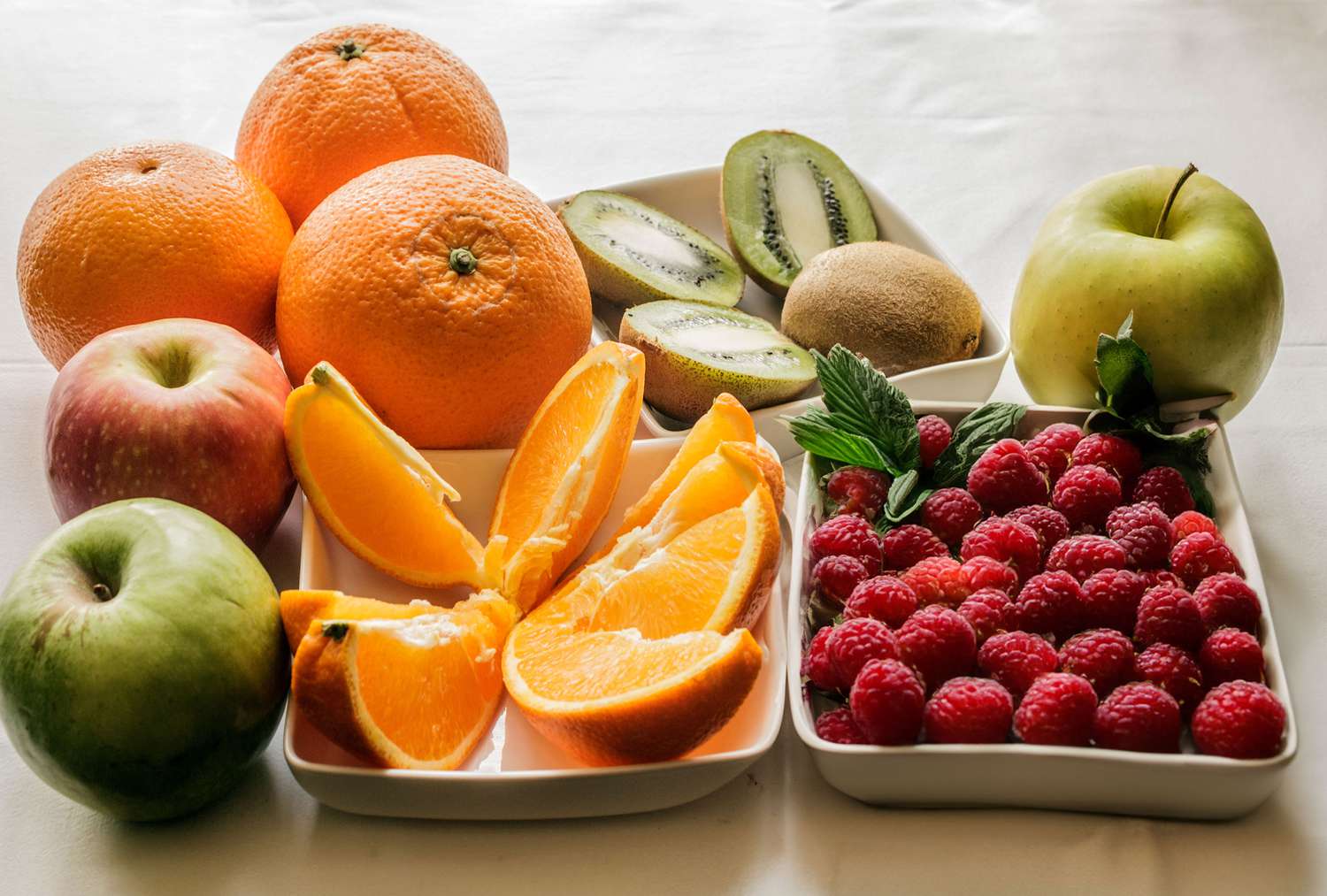
1. Why Fruits Containing High Fibre Matter for Health
Dietary fibre performs several distinct functions in the body that go well beyond simple digestive regularity. Soluble fibre found in significant quantities in apples, guava, and passion fruit dissolves in water to form a gel-like substance that slows glucose absorption, moderates cholesterol levels, and feeds the beneficial bacteria that populate a healthy gut microbiome. Insoluble fibre, present in the skins and structural components of most fruits, adds bulk to stools and supports regular bowel movement.
Current nutrition guidance recommends 25g of dietary fibre daily for adult women and 38g for adult men targets that most people in developed countries fall significantly short of. Incorporating fruits containing high fibre into daily meals and snacks is one of the most practical and sustainable ways to close this gap, particularly when tropical varieties with exceptional fibre-to-calorie ratios are included alongside more familiar options.
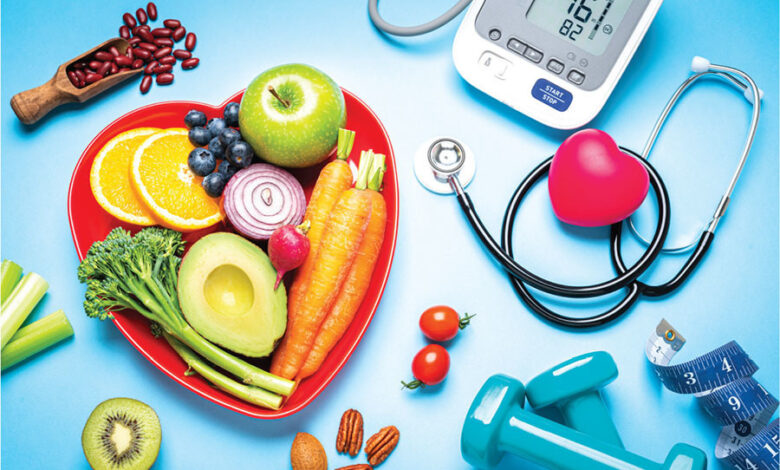
2. The Complete List of Fruits Containing High Fibre
Not all fruits are equal as fibre sources. The list below ranks the most significant fruits containing high fibre across three categories tropical varieties, classic temperate fruits, and dried formats with approximate fibre content per 100g of edible portion.
a. Tropical Fruits with the Highest Dietary Fibre Content
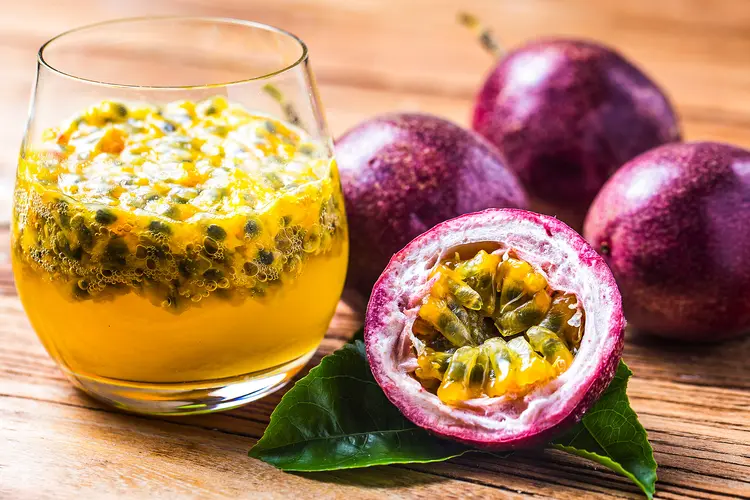
- Passion fruit: ~10g per 100g. The highest fibre-to-calorie ratio of any commonly available tropical fruit. The edible pulp and seeds together deliver a fibre content that rivals many vegetables. Naturally tart flavour makes it excellent in dried format where sweetness is concentrated.
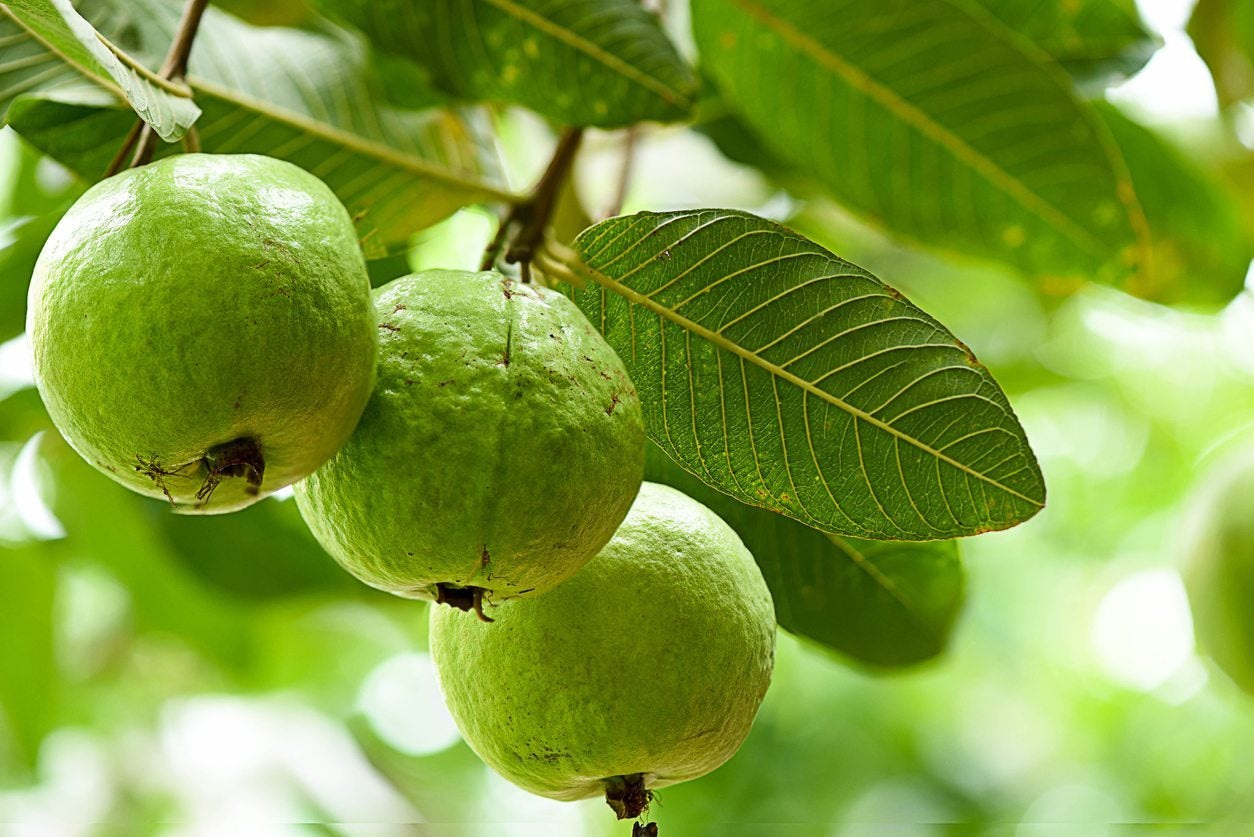
- Guava: ~5.4g per 100g. One of the most fibre-dense accessible tropical fruits, with both soluble pectin and insoluble fibre in meaningful proportions. Also an exceptional source of Vitamin C, making it a genuinely multi-nutrient choice.
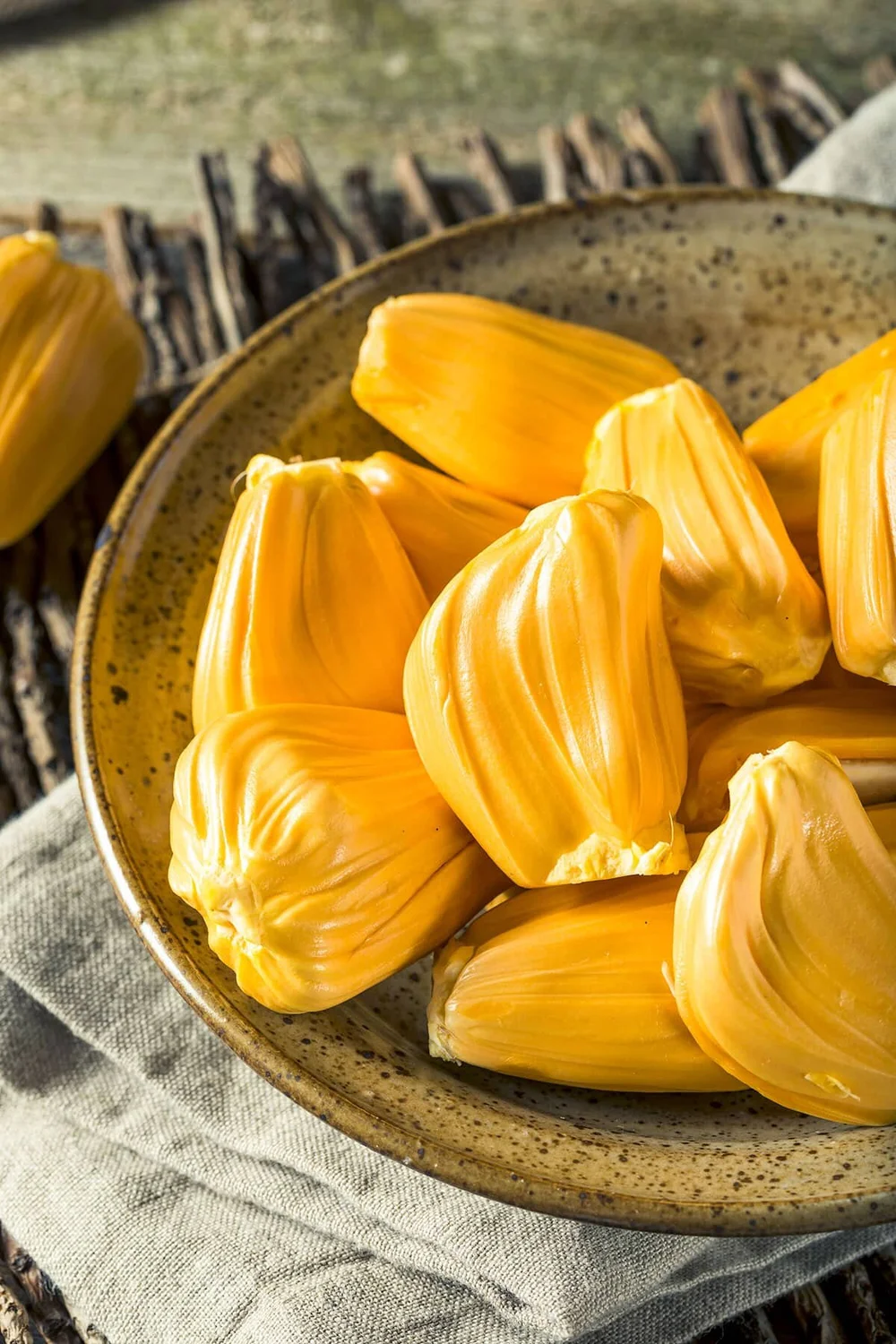
- Jackfruit: ~1.5g per 100g fresh, significantly higher when dried. The world's largest tree fruit contains meaningful fibre in its flesh, which concentrates dramatically in dried formats. Jackfruit also delivers complete protein unusual for a fruit making it particularly valuable for plant-based diets.
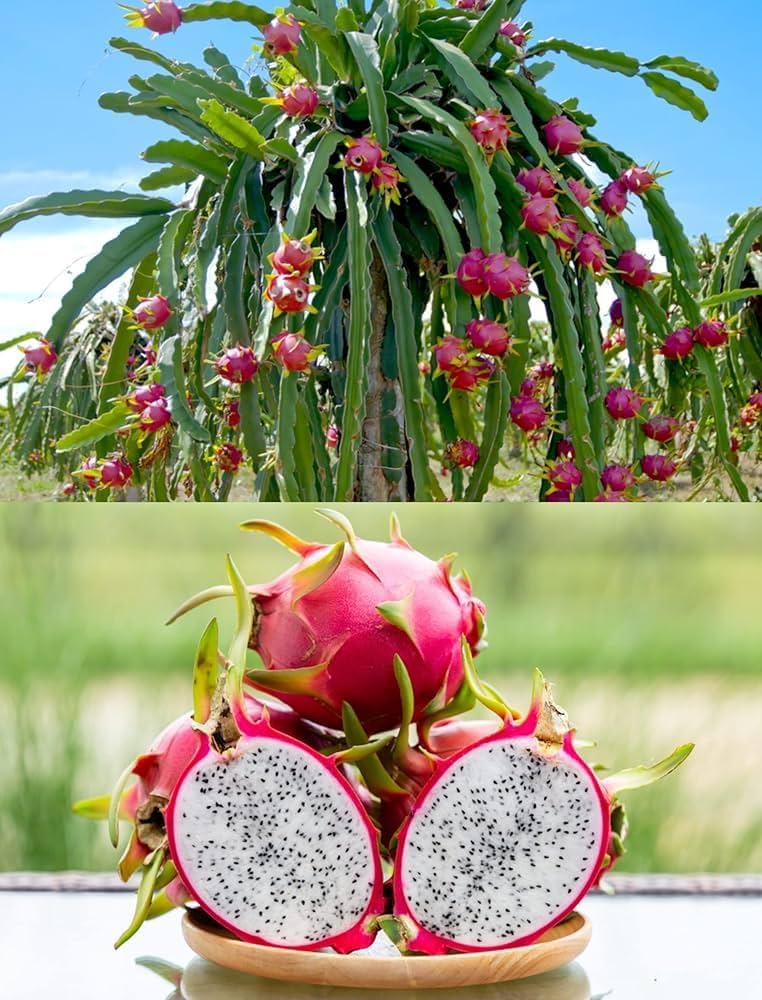
- Dragon fruit: ~2.9g per 100g. A rising star in wellness-positioned food ranges. The small black seeds embedded throughout the flesh contribute meaningfully to the overall fibre content. Rich in betacyanin antioxidants alongside its fibre value.
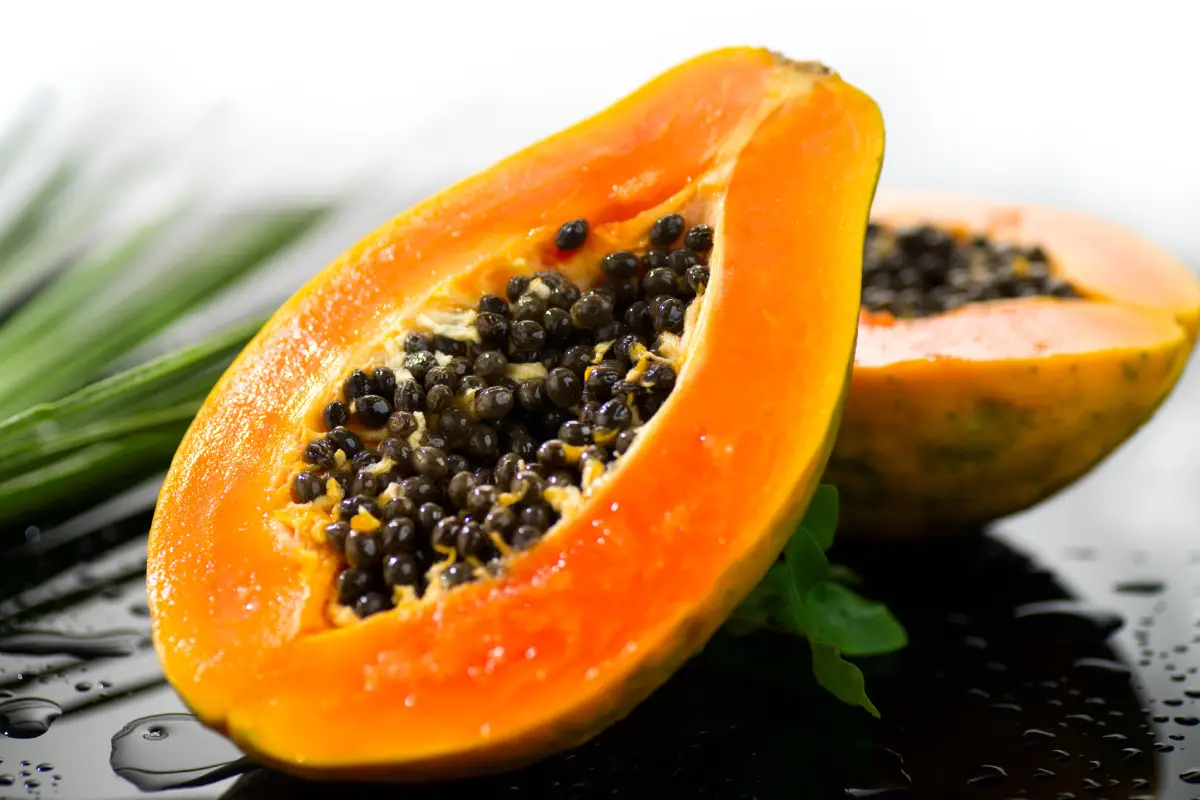
- Papaya: ~1.8g per 100g. Moderate fibre content paired with papain, a naturally occurring enzyme that actively supports digestive comfort. A practical everyday tropical fibre source.
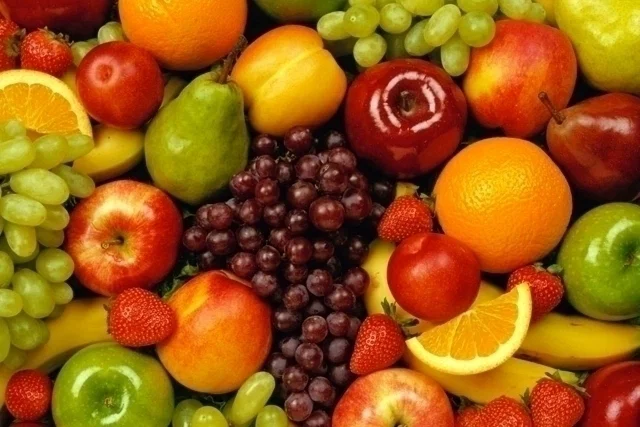
b. Classic Fruits High in Fiber Well-Known Sources
- Pear: ~3.1g per 100g. The highest fibre content of common temperate fruits. Most fibre is in the skin always eat with skin intact for maximum benefit.
- Apple (with skin): ~2.4g per 100g. Pectin, the primary soluble fibre in apples, has well-documented prebiotic effects it selectively feeds beneficial gut bacteria. Remove the skin and you lose roughly 30% of the total fibre.
- Raspberry: ~6.5g per 100g. Outstanding among berries and among the highest-fibre common fruits available in temperate markets. Small seed structure contributes to the exceptional fibre density.
- Avocado: ~6.7g per 100g. Technically a fruit with one of the highest fibre densities of any commonly consumed plant food. Also rich in monounsaturated fats and potassium.
c. Dried Fruits with the Highest Fiber Content
Drying concentrates the fibre content of fresh fruit dramatically the water is removed, but dietary fibre (being non-water-soluble in its structural form) remains fully intact. A 30g serving of dried fruit can deliver the fibre equivalent of 150–200g of the fresh original.
- Dried passion fruit: The standout high-fibre dried fruit retains the extraordinary fibre density of fresh passion fruit in a concentrated, shelf-stable format.
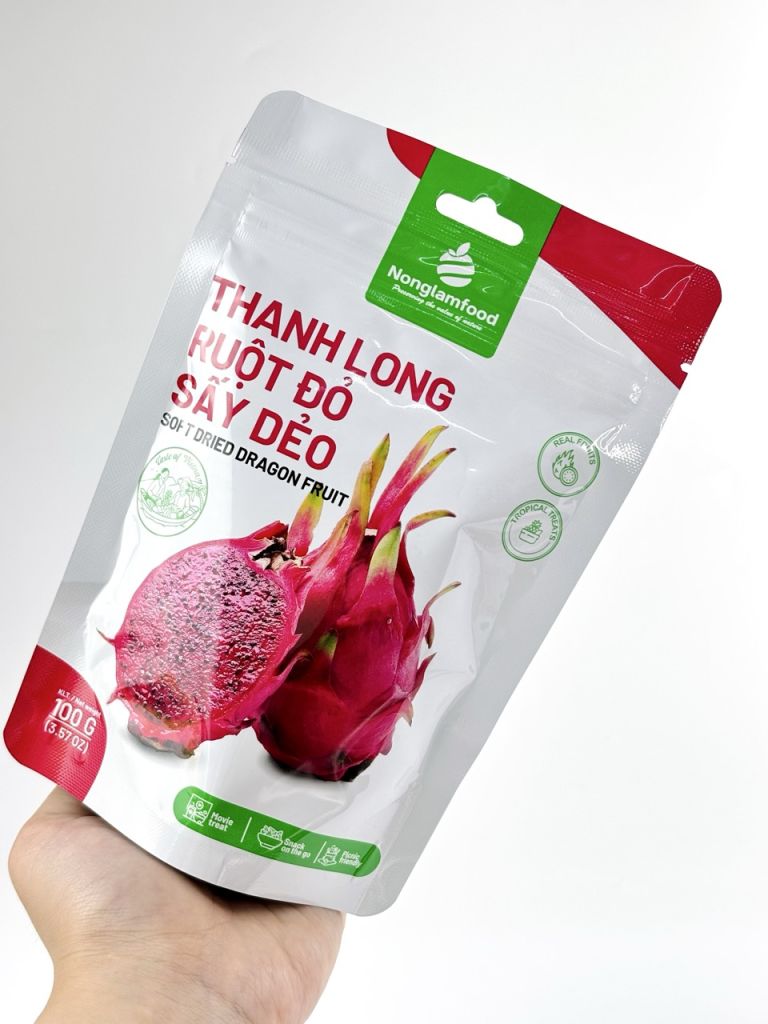
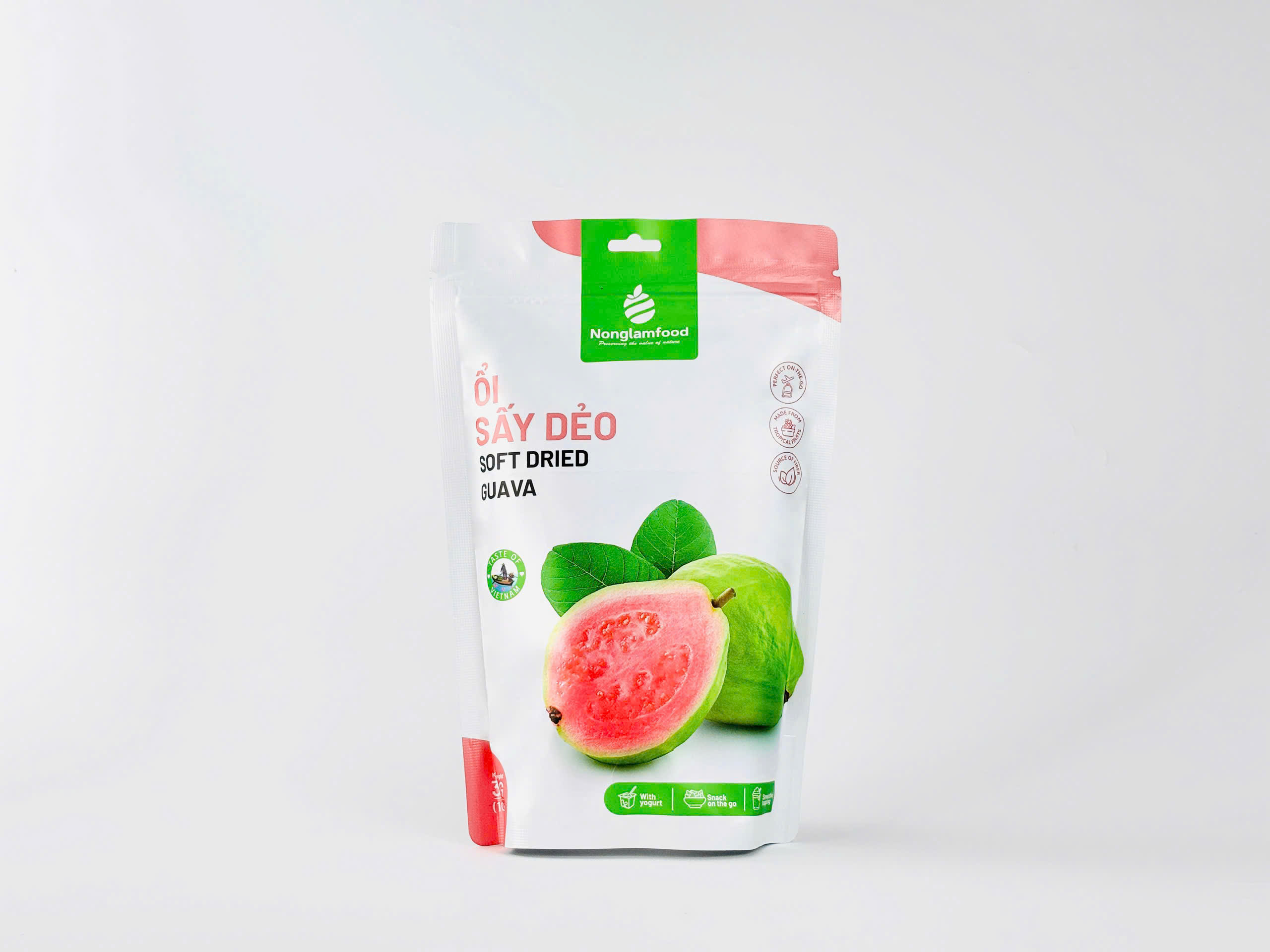
- Dried guava: One of the highest fibre-to-weight ratios in any dried fruit format; meaningful contribution to daily fibre target from a small serving.
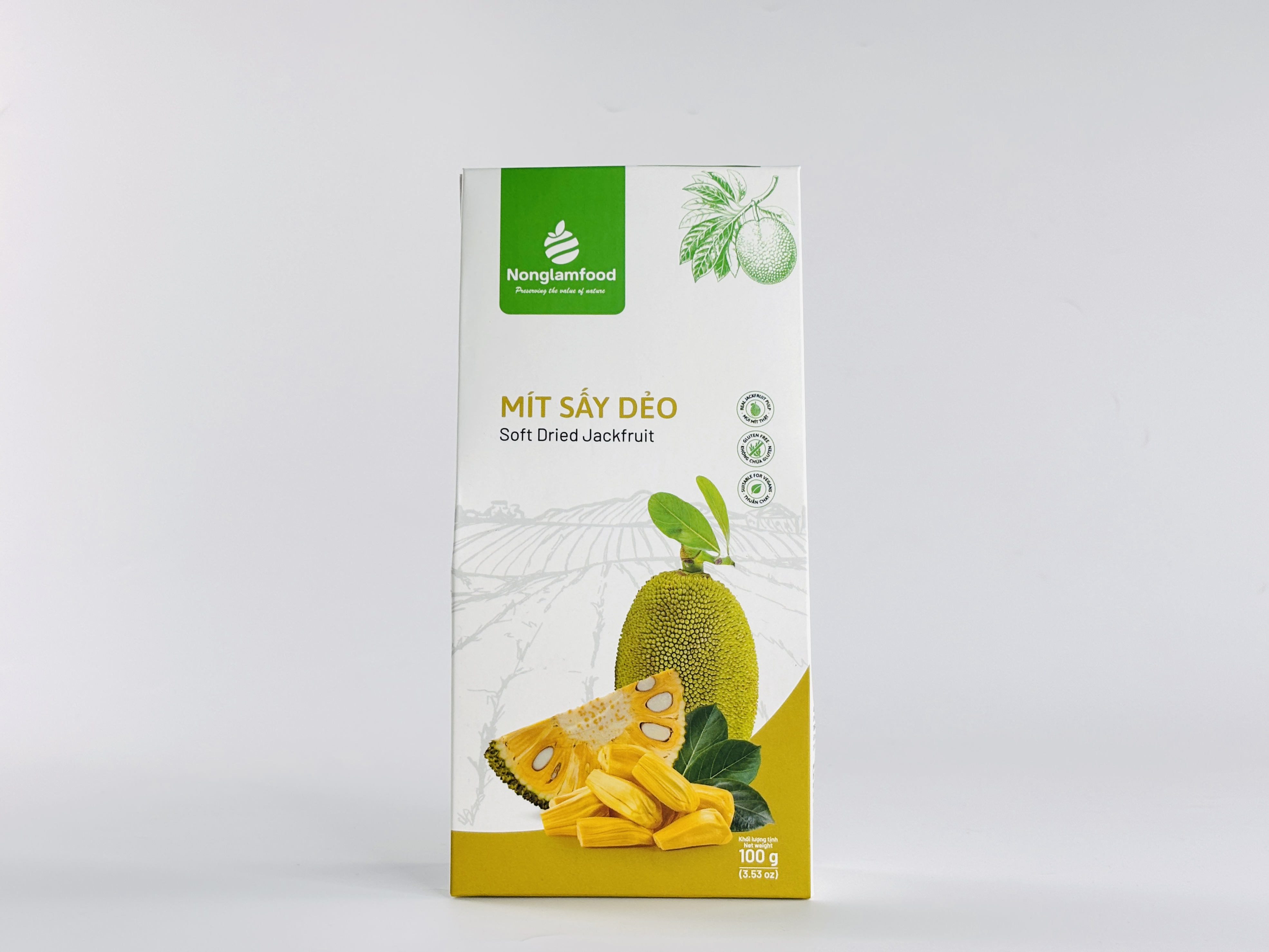
- Dried jackfruit: Fibre concentration from drying makes dried jackfruit a genuinely significant dietary fibre source and one that comes with the bonus of plant protein.
- Prunes, dried figs, dried apricots: The classic high-fibre dried fruit options prunes in particular are well-documented for digestive health support.
3. Fibre Content Comparison: Fruits vs. Common Foods
Understanding where fruits sit relative to other commonly recommended fibre sources helps put their contribution in practical dietary context:
| Food (per 100g) | Dietary Fibre | Notes |
|---|---|---|
| Passion fruit (fresh) | ~10g | Highest among tropical fruits |
| Raspberry (fresh) | ~6.5g | Highest among common berries |
| Guava (fresh) | ~5.4g | Excellent all-round tropical choice |
| Pear (with skin) | ~3.1g | Best among common temperate fruits |
| Apple (with skin) | ~2.4g | Prebiotic pectin value |
| Rolled oats (dry) | ~10g | Classic fibre reference food |
| White bread | ~2.7g | Standard bread baseline |
| Broccoli (raw) | ~2.6g | Common vegetable comparison |
Swapping a low-fibre processed snack for a 30g serving of dried tropical fruit particularly dried passion fruit or dried guava can add 3-6g of dietary fibre to a daily intake in a single snacking occasion. For most adults, this represents 10-20% of the daily recommended target from one small serving.
4. How Drying Affects Fibre in High-Fibre Fruits
Dietary fibre is one of the most heat-stable components of fruit. Unlike Vitamin C, which degrades significantly at high drying temperatures, or polyphenols, which show moderate sensitivity to heat, the structural fibre compounds in fruit cellulose, hemicellulose, and pectin survive the drying process essentially intact regardless of the drying method used.
This means that choosing dried tropical fruits containing high fibre is a genuinely effective strategy for increasing dietary fibre intake. The concentration effect of drying means that gram for gram, dried fruit delivers more fibre than its fresh equivalent making it a calorie-efficient fibre delivery format when portioned appropriately (30-40g per serving).
Nong Lam Food's range of heat pump dried tropical fruits including dried passion fruit, dried guava, dried jackfruit, and dried dragon fruit retains the full fibre content of the fresh originals. The two-stage heat pump drying process, with Stage 2 operating at 25-30°C, also preserves the polyphenols and antioxidants that accompany fibre in these fruits, making the nutritional proposition more complete than fibre content alone suggests.
5. Practical Guide: How to Get More High-Fibre Fruit Into Your Daily Diet
- Morning: Add 15-20g of dried passion fruit or dried guava to oats, yogurt, or a smoothie bowl. This single addition can contribute 3-5g of dietary fibre before mid-morning.
- Snacking: A 30g serving of dried tropical fruit is the most convenient high-fibre snack format available no preparation, no refrigeration, and far more nutritionally dense than most packaged snack alternatives.
- Smoothies: Blend 30-40g of dried mango or dried papaya with liquid the blending process does not destroy fibre, making smoothies a valid fibre delivery format.
- Portion awareness: Dried fruit is calorie-dense. A 30-40g daily serving is the right balance between fibre contribution and caloric intake for most adults. Pre-portioning before eating is the single most practical habit for preventing overconsumption.
6. Conclusion
The most nutritionally compelling fruits containing high fibre are not the familiar options that dominate mainstream dietary guidance. Tropical varieties passion fruit, guava, jackfruit, and dragon fruit deliver fibre density that equals or exceeds the temperate staples most people default to, with the added benefit of unique antioxidant compounds unavailable from other sources.
In dried format, these fruits become even more practical as daily fibre sources concentrated, shelf-stable, and convenient in a way that fresh tropical fruit cannot be year-round in most global markets. Explore Nong Lam Food's dried tropical fruit range at vietnamdriedfruits.vn including dried passion fruit, dried guava, dried jackfruit, and dried dragon fruit some of the most fibre-rich fruit snacks available.
Related information
- How Do They Freeze Dry Fruit and How Does It Compare to Heat Pump Drying?
- List of Fruits High in Vitamin C: From Everyday Picks to Tropical Powerhouses
- Dry Fruits for Weight Loss: Which Ones Work and How to Choose Wisely
- Dried Mango Preservation: How to Store It Right and Keep It at Its Best
- Best Frozen Mango: What to Look for and Why Vietnam Dominates the Export Market
- Vietnam Durian Seasons Explained: When to Source the Best Quality
PRODUCT CATEGORIES
NEWS

Partner with us to provide and elevate healthier food options while supporting sustainable agriculture with a passion to serve and a commitment to innovation. Together, we can improve the lives of disadvantaged farmers and generate a positive impact!

