


Dedicated Manufacturer and Exporter of Premium Dried Fruits, Natural Fruit Bars, and Flavored & Coated Nuts
- Home
- /
- Knowledge Hub
- /
- Vietnam Durian Seasons Explained: When to Source the Best Quality
Vietnam Durian Seasons Explained: When to Source the Best Quality
The Durian seasons in Vietnam is one of the most commercially consequential agricultural events in Southeast Asia. For importers, food manufacturers, and specialty buyers, knowing exactly when the harvest peaks, which regions deliver the most consistent quality, and how to plan supply commitments around the seasonal calendar is the difference between securing premium fruit at competitive pricing and scrambling for supply after the best allocation has been claimed by buyers who moved earlier.
Vietnam's Durian Industry: Why Durian Seasons in Vietnam Matters Globally
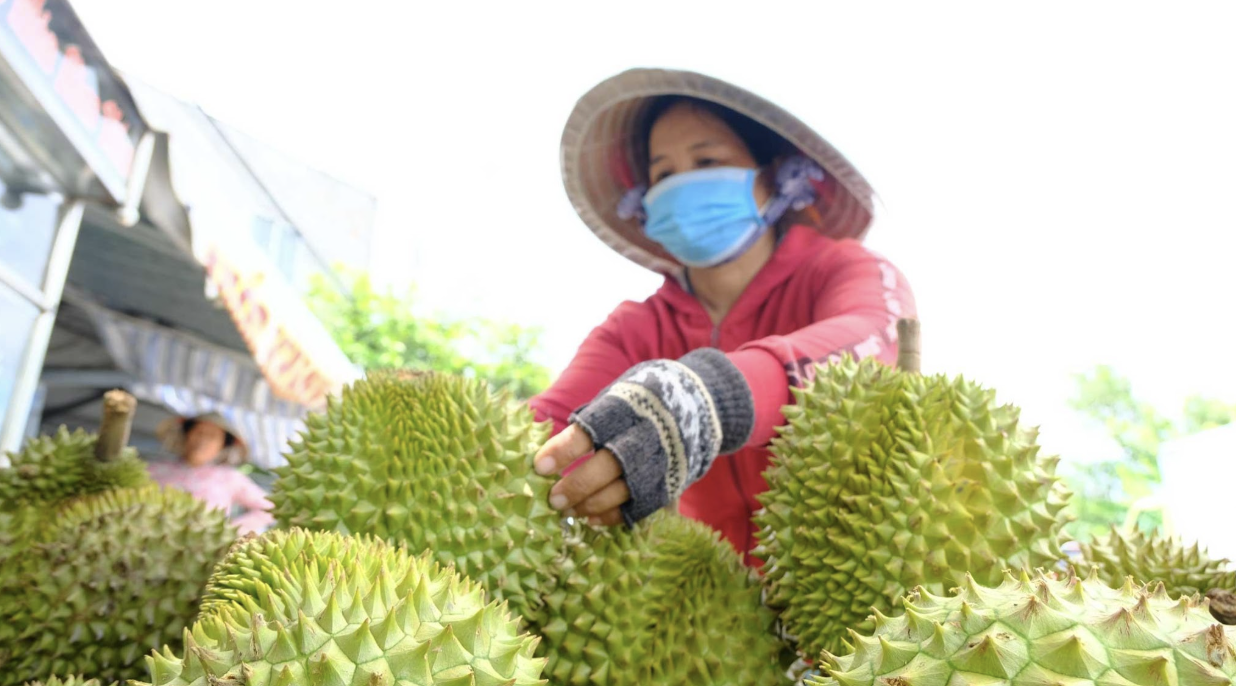
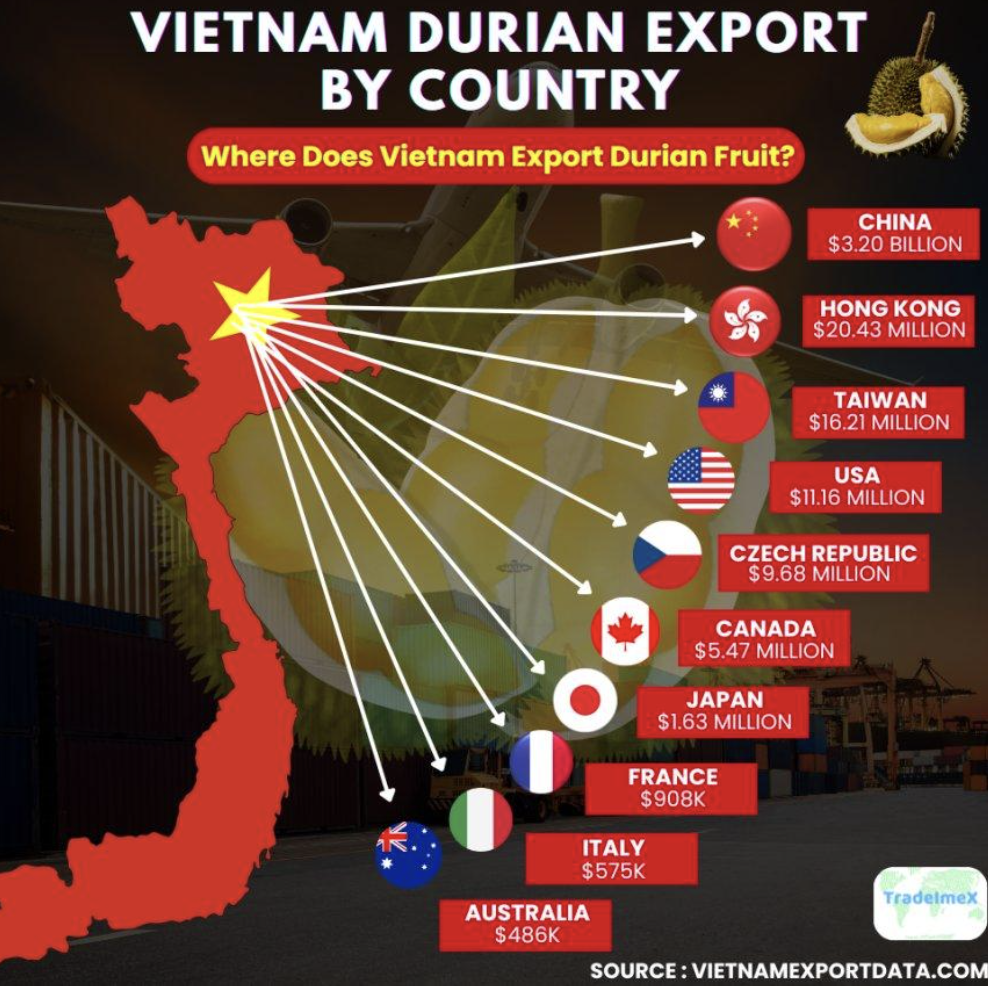
Vietnam has emerged as the world's third-largest durian exporter, behind Thailand and Malaysia and the country's trajectory is strongly upward. Total durian export revenue grew from approximately USD 30 million in 2018 to over USD 2 billion by 2023, driven almost entirely by Chinese consumer demand that has reshaped regional durian trade flows. The commercial significance of durian seasons in Vietnam extends beyond volume figures.
Vietnam's geographic position closer to China than Thailand by road gives Vietnamese durian a logistical advantage in fresh export that directly affects pricing and quality at point of sale. Fresh durian is extremely time sensitive: peak quality window after harvest is narrow, and cold chain management during transit is non-negotiable. Beyond fresh trade, Vietnam's durian processing industry is developing rapidly. Frozen durian pulp, freeze-dried durian chips, and durian based confectionery products are all growing export categories that extend the commercial value of the durian crop beyond the fresh seasonal window.
When Are Durian Seasons in Vietnam? A Regional Calendar
Unlike single-region crops, durian season Vietnam operates across two distinct geographic zones with different timing giving buyers two sourcing windows per year rather than one.
| Region | Main Season | Peak Quality Window | Key Varieties |
|---|---|---|---|
| Mekong Delta (Tien Giang, Ben Tre, Vinh Long) | April - June | May - early June | Ri6, Monthong clones, early Musang King grafts |
| Central Highlands (Dak Lak, Lam Dong, Binh Phuoc) | September - November | October | Ri6, Monthong, altitude-influenced quality profile |
| Ba Ria - Vung Tau (supplementary) | April - May | April - May | Ri6 dominant, smaller volume |
The Mekong Delta main season April to June delivers the highest volume and the most competitive pricing. At peak supply in May, farmgate prices typically reach their annual low point as fresh durian supply exceeds domestic and regional processing capacity. This is the optimal window for buyers seeking fresh export allocation at favourable economics.
The Central Highlands off-season crop September to November commands a significant price premium of 20-40% above Mekong Delta main-season pricing. Lower volume, higher production costs from grafted-tree flowering management, and cooler growing conditions that produce a different flavour profile all contribute to the premium. Altitude-influenced Dak Lak and Lam Dong durian has distinctive characteristics typically slightly lower Brix than main-season Mekong fruit, but with a flavour complexity that appeals to connoisseur buyers in Korean and Japanese markets.
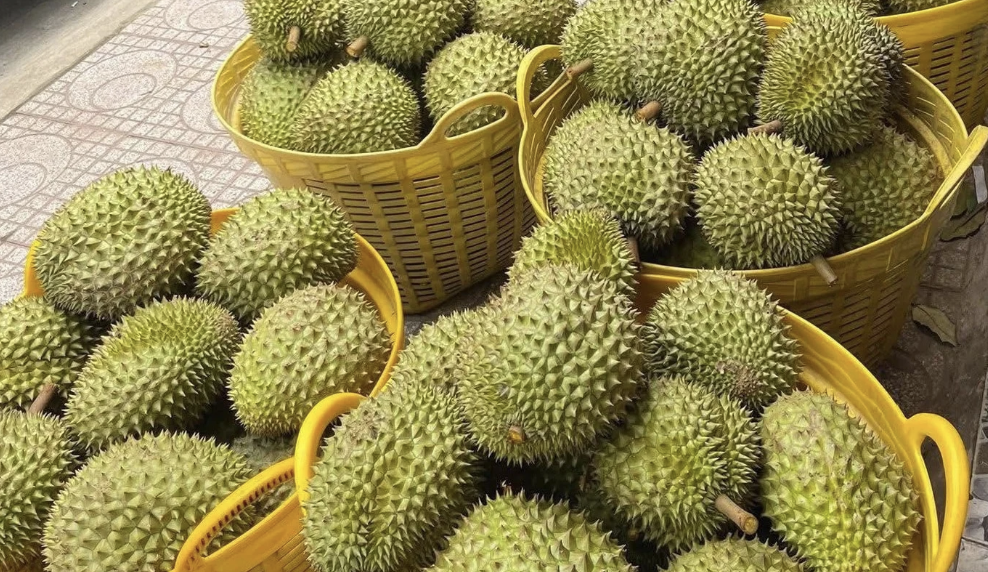
Top Durian Varieties Available During Durian Season Vietnam
- Ri6: The most widely planted durian clone in Vietnam. Ri6 is a high-yielding, reliable variety with creamy yellow flesh, moderate sweetness (Brix typically 28-33), and manageable aroma. It is the commercial backbone of Vietnam's fresh durian export market and the primary variety processed into frozen pulp and freeze-dried formats. Available across both Mekong Delta main season and Central Highlands off season.
- Monthong: A Thai-origin variety that has been widely grafted across southern Vietnam. Monthong produces large, visually impressive fruit with thick cream-coloured flesh, mild aroma compared to other varieties, and a sweetness profile (Brix 28-32) that Chinese buyers consistently prefer. Its milder aroma makes it significantly more accessible to consumers who are new to durian. Monthong dominates Vietnam's fresh export volume to China.
- Musang King: The world's most commercially prestigious durian variety, associated with Malaysia's premium market. Early Musang King cultivation is underway in Vietnam primarily in Lam Dong and Binh Phuoc provinces but production volume remains limited and trees are still maturing. Vietnamese Musang King commands premium pricing but requires careful quality verification, as grafted trees in non-optimal conditions can produce fruit that does not meet the variety's benchmark flavour profile.
- Kho Vuong (Black Thorn): A niche variety gaining commercial attention for its uniquely rich, slightly bitter-sweet flavour profile. Limited production, premium pricing. Appeals to experienced durian buyers in Korean and Japanese markets seeking differentiated products.
Quality Indicators During Durian Seasons in Vietnam
Durian quality assessment requires both technical knowledge and sensory experience. During durian season Vietnam, these are the indicators that separate premium allocation from average supply:
| Quality Indicator | What Premium Looks Like | Red Flag |
|---|---|---|
| Brix (sugar level) | 28-34 degrees Bx for main varieties at peak ripeness | Below 24 degrees Bx indicates under-ripe harvest do not process or export at this stage |
| Flesh colour | Rich yellow to deep golden, uniform across lobes | Pale, whitish flesh or uneven colour indicates under ripe or stressed tree production |
| Aroma profile | Strong, characteristic variety aroma present but not fermented | Fermented or alcohol like off notes indicate over ripeness or post harvest delay |
| Seed size | Small relative to lobe size more flesh, higher yield | Large seeds proportional to lobe indicate lower commercial yield from the crop |
| Shell integrity | Firm shell with intact spines, no cracks or soft spots | Cracked or soft shells indicate impact damage or over ripeness reject for fresh export |
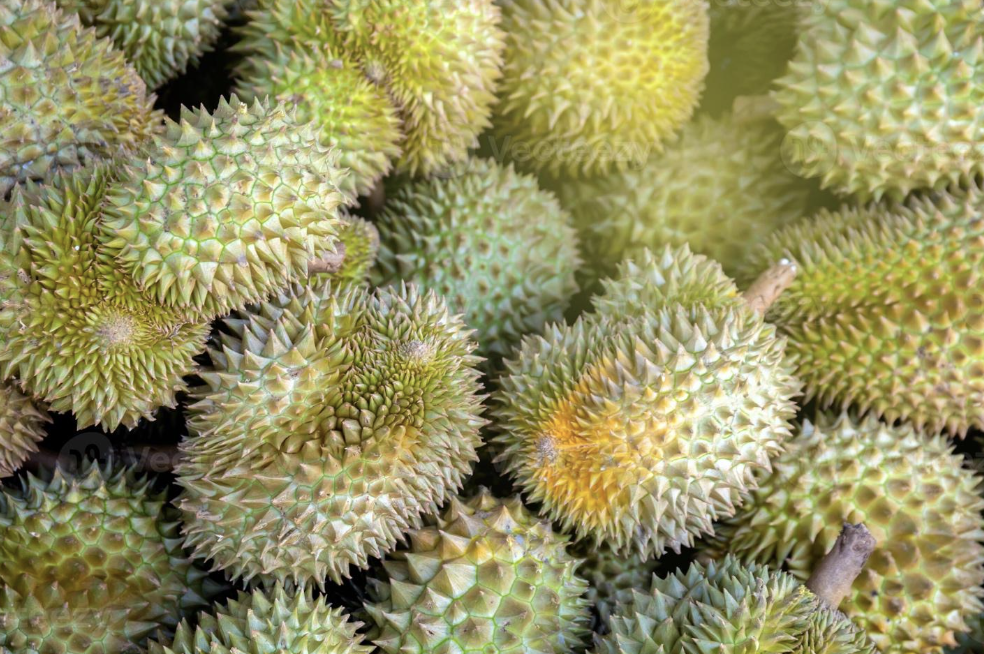
Sourcing Durian During Vietnam Season: Fresh vs. Processed Options
Not all buyers of Vietnamese durian are purchasing fresh fruit for immediate export. The range of commercial formats available during and after durian season Vietnam allows buyers to participate in the market across different price points and logistical constraints.
Fresh Durian Export
Fresh durian is the highest-value format and the most logistically demanding. Post-harvest shelf life at ambient temperature is 3-5 days from harvest; with controlled atmospheric cold chain (3-5 degrees C), this can be extended to 10-14 days sufficient for road transport to China from the Mekong Delta but tight for sea freight to more distant markets. China accounts for over 85% of Vietnam's fresh durian export volume. The required paperwork for China export includes phytosanitary certificate, certificate of origin, and facility registration on the GACC (General Administration of Customs China) approved producer list. Verify that any Vietnamese durian supplier you work with has current GACC registration before signing any supply agreement.
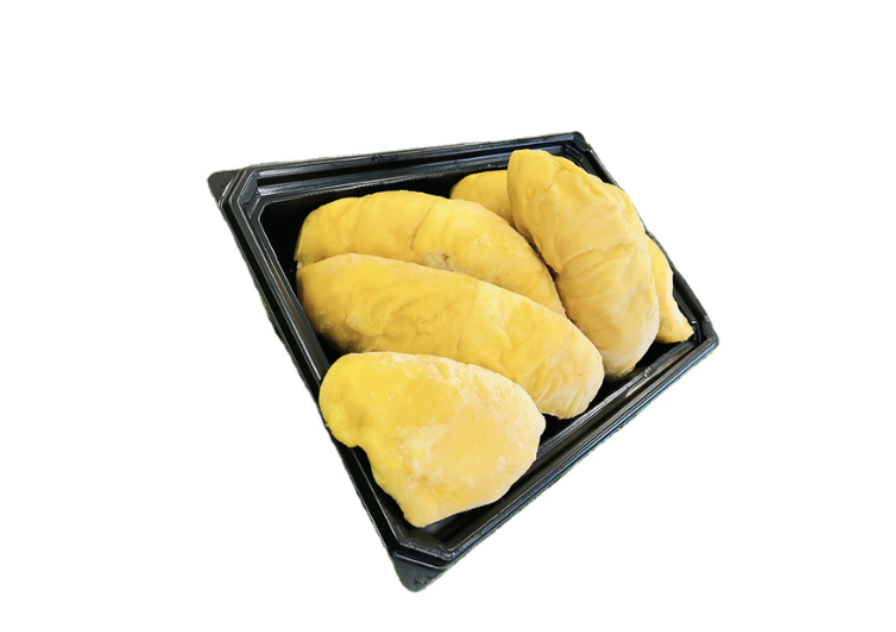
Frozen Durian Pulp
Frozen durian pulp the flesh removed from the shell and individually quick-frozen extends the commercial window for Vietnamese durian indefinitely, and dramatically simplifies logistics for buyers in markets beyond China. Frozen pulp is the standard format for food service, bakery, confectionery, and ice cream applications. Quality assessment focuses on Brix, texture, and absence of off-flavours rather than visual appearance.
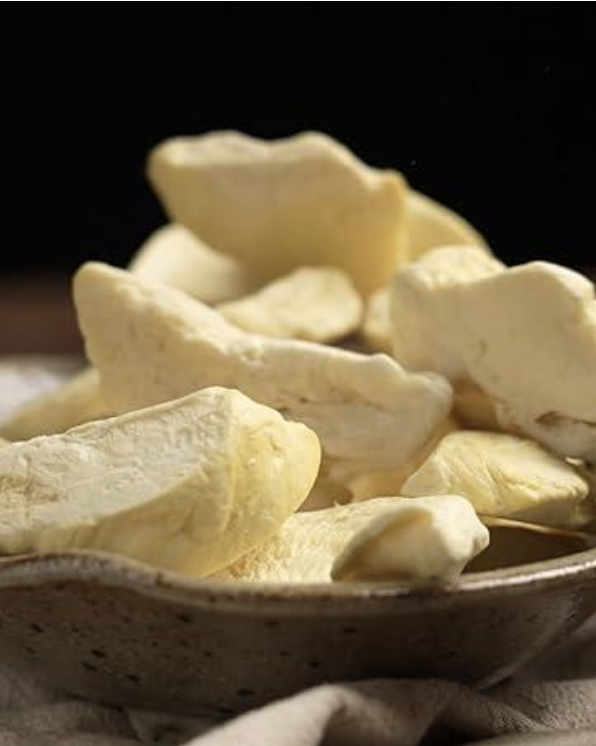
Freeze-Dried Durian Chips
The fastest-growing premium processed format. Freeze-dried durian chips produced by lyophilization, which sublimates the ice content of frozen durian directly to vapour retain the fruit's original shape, colour, and flavour profile with exceptional fidelity while achieving a water content below 2% and a shelf life of 12-24 months at room temperature. Demand is strongest in South Korea, Japan, and China's premium snack segment. The retail price premium over fresh equivalent weight is typically 8-12x reflecting the significant production cost of freeze-drying equipment and energy.
Planning Your Sourcing Around Durian Season Vietnam: Practical Guidance
- Book processing and cold chain capacity by February: For the April-June main season, processing capacity at quality facilities is often fully committed by late February. Early contact with processing partners is essential for buyers who want allocation at peak quality rather than end of season fruit.
- Visit the growing region during the season: There is no substitute for on the ground assessment during harvest.
- Verify GACC registration for China export: If your supply chain includes China-bound fresh durian, GACC facility registration is a legal requirement. A supplier who cannot produce their current registration documentation should not be contracted for China-bound supply.
- Use the off-season for product development: The July-August gap between main season and Central Highlands off season is an ideal period to work with processors on frozen pulp specifications, freeze dried format trials, and confectionery product development when processing facilities have more capacity flexibility.
Conclusion: Durian Season Vietnam as a Strategic Sourcing Window
Durian season Vietnam operates across two windows April to June in the Mekong Delta and September to November in the Central Highlands giving well-prepared buyers twice yearly access to premium tropical fruit at different price points and flavour profiles. The combination of Vietnam's proximity to China, rapidly expanding production infrastructure, and developing processing capability makes it an increasingly important origin for global durian buyers.
The buyers who benefit most from Vietnam's durian season are those who plan twelve months ahead, visit growing regions during harvest, and build relationships with processors and trading partners before the season opens. Reactive buying during peak supply is possible, but the best allocation in terms of variety, quality grade, and pricing consistently goes to buyers who committed earlier.
Planning your sourcing around durian season Vietnam or other Vietnamese tropical fruits? Contact Nong Lam Food at vietnamdriedfruits.vn for seasonal availability updates and sourcing consultation.
Related information
- Assorted Dry Fruits: A Strategic Portfolio for Global Healthy Snack Retailers
- Benefits to Eating Coconut: Nutrition Facts and What the Science Actually Says
- Dry Fruits for Weight Loss: Which Ones Work and How to Choose Wisely
- Popular Dried Fruits from Vietnam: What Global Buyers Are Ordering and Why
- The Ultimate Fruit Season in Vietnam Calendar for B2B Importers
- Best Frozen Mango: What to Look for and Why Vietnam Dominates the Export Market
PRODUCT CATEGORIES
NEWS

Partner with us to provide and elevate healthier food options while supporting sustainable agriculture with a passion to serve and a commitment to innovation. Together, we can improve the lives of disadvantaged farmers and generate a positive impact!

