


Dedicated Manufacturer and Exporter of Premium Dried Fruits, Natural Fruit Bars, and Flavored & Coated Nuts
- Home
- /
- Knowledge Hub
- /
- Choosing a Reliable Dry Fruit Company for OEM and Bulk Supply
Choosing a Reliable Dry Fruit Company for OEM and Bulk Supply
When your business depends on consistent quality, reliable lead times, and full food safety compliance, choosing the right dry fruit company is one of the most consequential decisions you will make as a sourcing or category manager. The global dried fruit market offers a wide range of suppliers from vertically integrated manufacturers with traceable farm networks to trading agents who buy from multiple sources and repackage under a single brand. Understanding the difference, and knowing which questions to ask, determines whether your supply chain becomes a competitive advantage or an operational liability.
What Separates a Real Dry Fruit Company from a Trading Agent
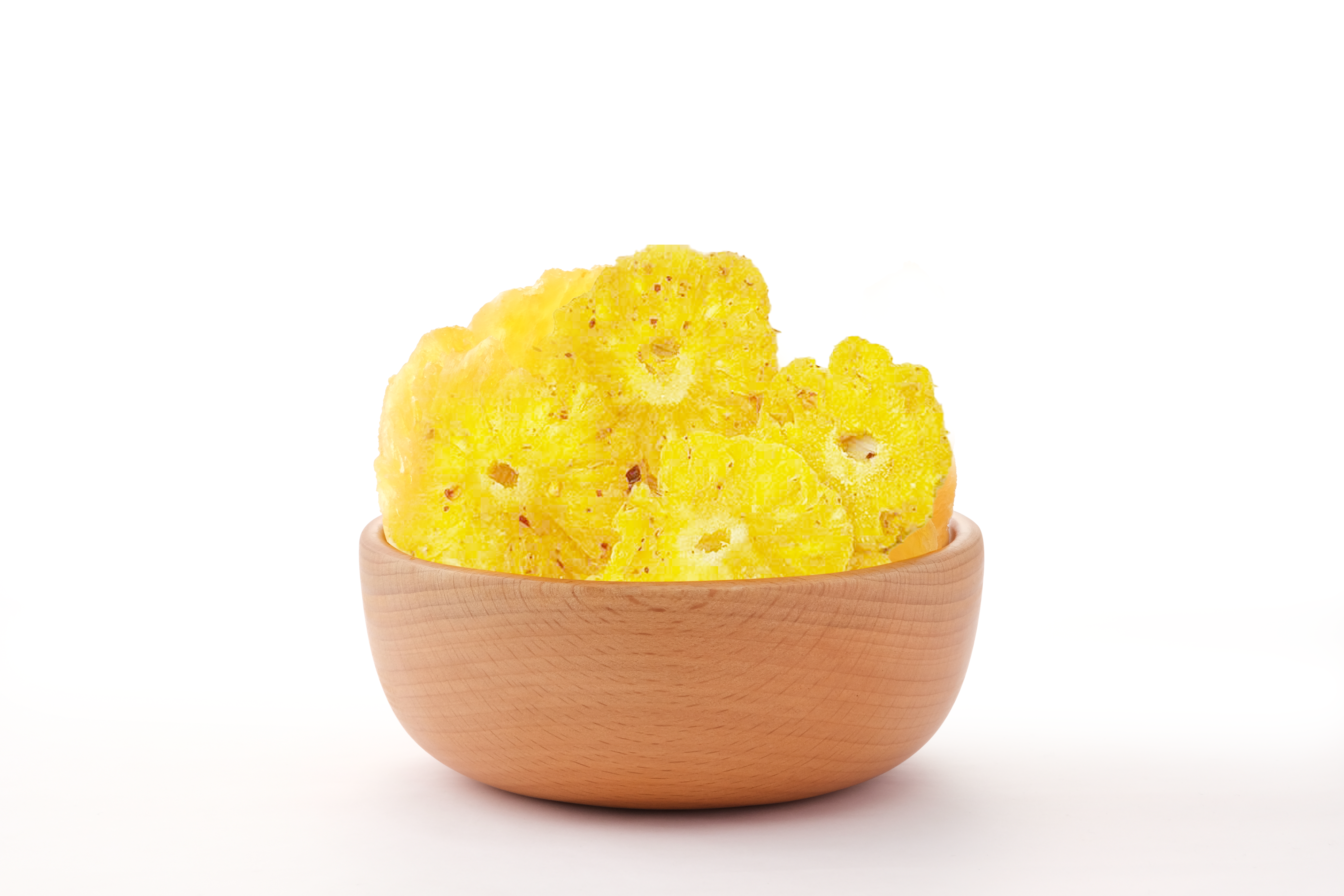
The first and most important distinction in the dried fruit supply market is between a manufacturer and a trader. A trading agent buys finished or semi-finished product from multiple production sources, consolidates it, and resells it often with limited visibility into the original production conditions. A manufacturing dry fruit company owns or directly controls the production process from raw material intake through to packaged output.
This distinction matters enormously for quality control, traceability, and the ability to customise products to your specification. A manufacturer can tell you the Brix level of the mangoes used in your product, the moisture content at each stage of drying, and the water activity of the finished product. A trading agent typically cannot because they do not control the process.
Vertically integrated dried fruit companies those with direct farm relationships, in-house processing, and dedicated export infrastructure offer the strongest foundation for a long-term supply partnership. They have more skin in the game, more accountability for quality outcomes, and more ability to adapt to your specific requirements over time.
Key Criteria for Evaluating Any Dry Fruit Company
Food Safety Certifications a Credible Dry Fruit Company Must Hold
Certifications are not bureaucratic paperwork they are independently verified evidence that a dry fruit company has implemented and maintains production systems that meet international food safety standards. The following are minimum requirements for serious supply partnerships:
- HACCP (Hazard Analysis Critical Control Points): The international baseline for systematic food safety management. Any credible manufacturer operates under HACCP principles. Request the current HACCP plan.
- ISO 22000: The global food safety management system standard. ISO 22000 certification demonstrates a structured, audited approach to hazard control across the entire supply chain.
- BRC Global Standard (Food Safety): Required by most major UK and European retail buyers. If your target market includes European supermarket chains or food service operators, this certification is essential.
- FDA Registration: Required for any food manufacturer exporting to the United States. Verify the facility registration number is current and in good standing on the FDA database.
- Organic Certifications (USDA NOP, EU Organic): If your product positioning includes organic claims, your dried fruit company must hold the relevant certification not just claim it. Verify the certificate covers the specific products you are buying.
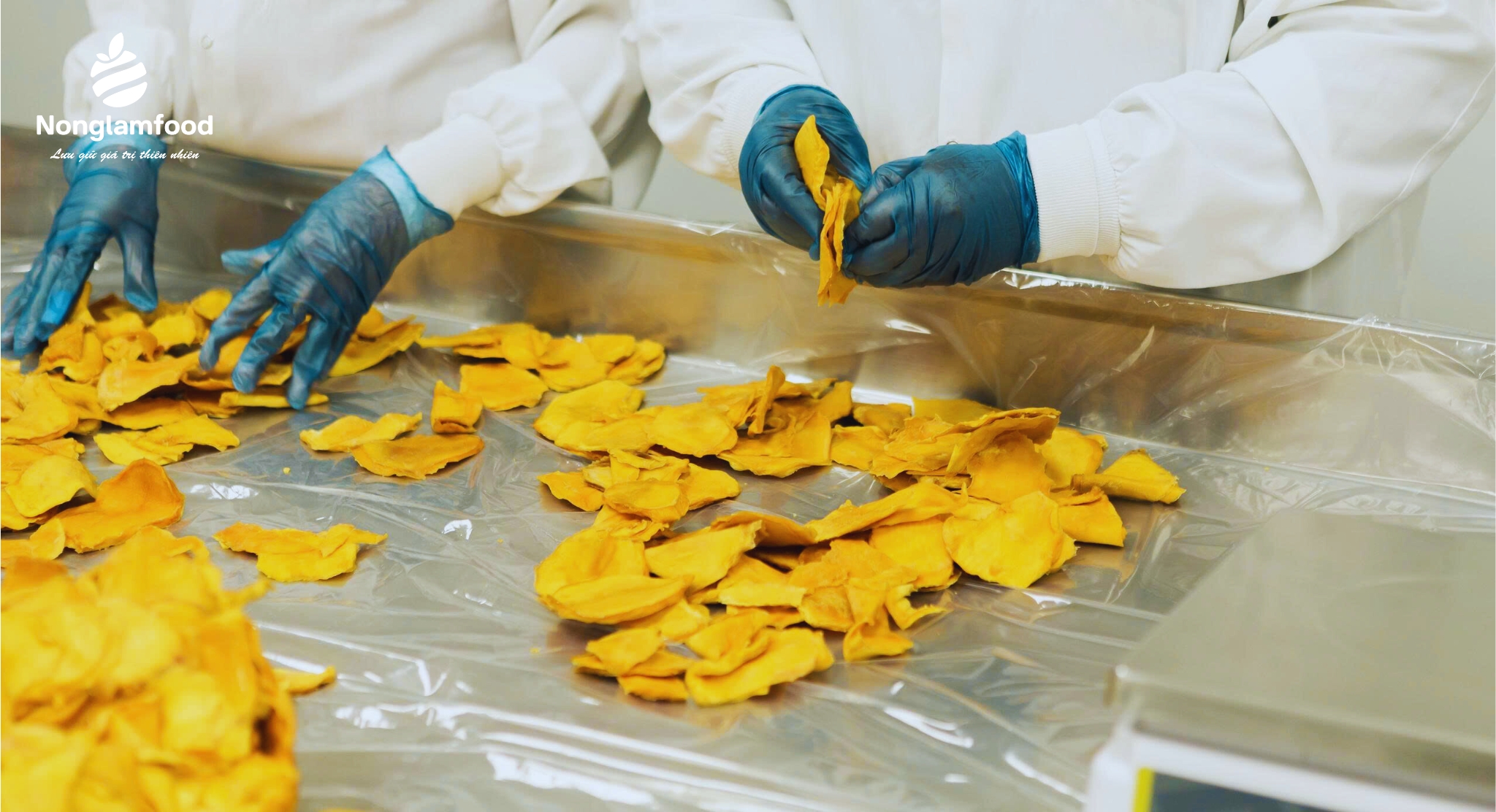
Production Capability: What a Serious Dry Fruit Company Can Do
Beyond certifications, evaluate the actual production infrastructure and technical capability of any potential supply partner:
- Drying technology: The drying method used by a dry fruit company determines the colour, nutrient profile, and competitive positioning of the finished product. Heat pump (low-temperature, two-stage) drying produces significantly better colour retention and nutrient preservation than conventional hot-air drying. Ask specifically: what temperature does your Stage 2 drying operate at?
- Annual capacity and scalability: Can this dry fruit company grow with your business? A supplier who is already at 95% capacity cannot accommodate your growth and will deprioritise your orders when supply is tight.
- R&D and product development capability: The ability to develop custom products unique flavour coatings, novel fruit combinations, custom moisture profiles is a significant differentiator. Ask whether the company has a dedicated R&D function and what their development timeline typically looks like.
- Range breadth: A dry fruit company with a comprehensive product range (dried fruits, flavoured coatings, chocolate-dipped, fruit bars, nut snacks) reduces the number of suppliers you need to manage and enables more interesting product development collaboration.
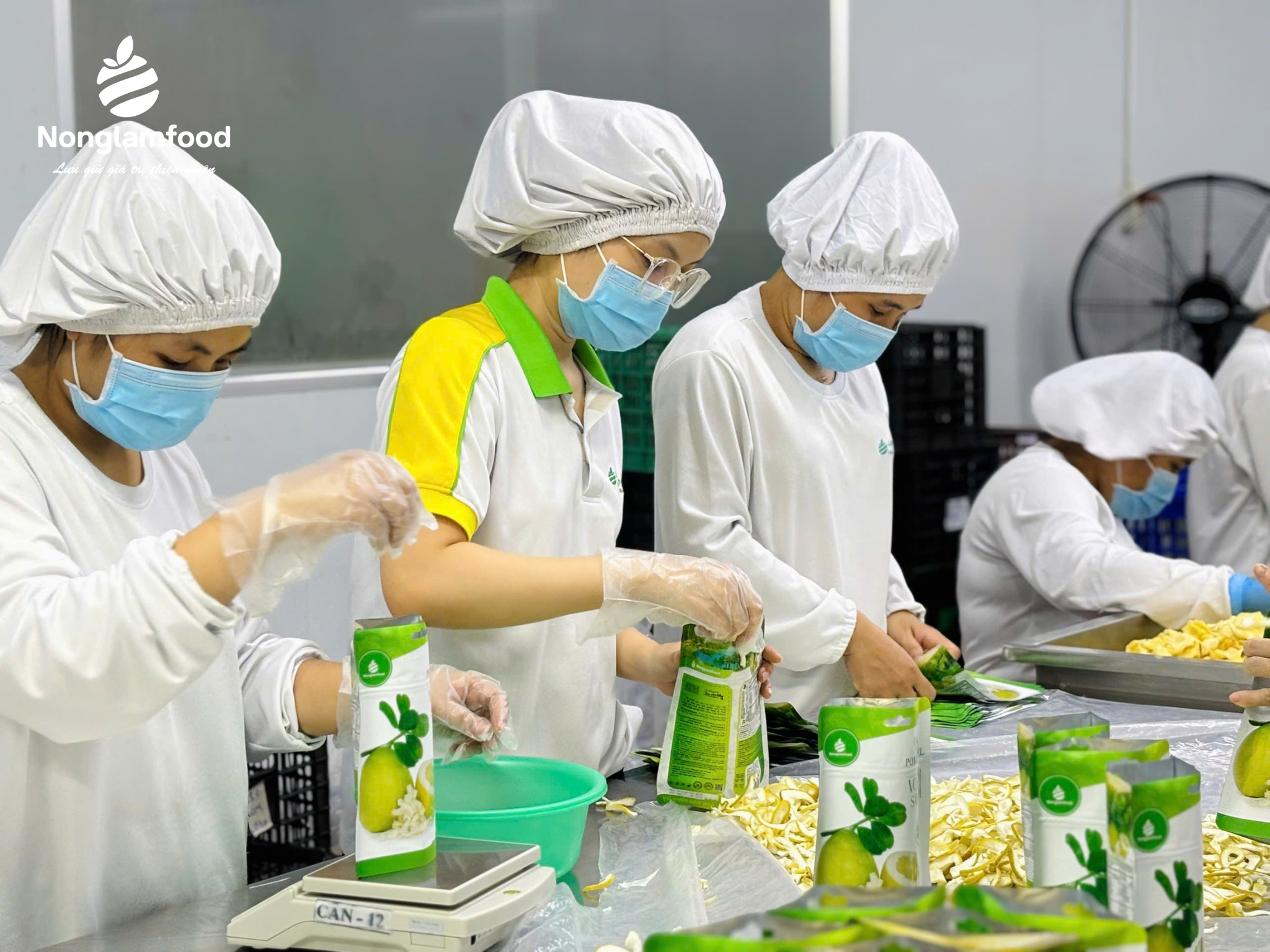
Commercial Terms: What to Negotiate with a Dry Fruit Company
| Commercial Term | What to Discuss |
|---|---|
| Minimum Order Quantity (MOQ) | Lower MOQ for initial orders supports new market entry. A flexible dried fruit manufacturer will negotiate MOQ for pilot orders with volume commitments for future supply. |
| Supply Models | OEM private label (your brand), bulk supply (your facility repackages), branded retail (manufacturer's brand). Clarify which model applies to your partnership. |
| Lead Times | Standard production lead time from order confirmation to goods ready. Factor in shipping time for your market. The EU typically adds 4–6 weeks transit. |
| Incoterms | FOB (Free On Board) or CIF (Cost, Insurance, Freight) are most common for dried fruit export. Agree clearly and document in the contract. |
| Sample Policy | Request samples with full technical data sheets before any commercial commitment. A confident manufacturer provides samples freely. |
| Quality Dispute Resolution | Define the process clearly: what happens if a batch fails to meet specification? Who pays for testing? What is the remediation timeline? |
Red Flags When Evaluating a Dry Fruit Company
Experience in the dried fruit sourcing market reveals a consistent set of warning signs. Encountering any of the following in a supplier evaluation should trigger further scrutiny:
- Certification claims without verifiable documentation: Ask for the certificate. Verify it is current, covers your product category, and was issued by an accredited certification body. Verbal assurances are not certifications.
- Reluctance to share facility details or allow a factory visit: A manufacturer proud of their production process welcomes transparency. Reluctance to share photos, audit reports, or allow visits is a serious signal.
- Unusually fast production turnarounds: Quality dried fruit production takes time — drying cycles alone run 12–24 hours per batch. A supplier promising delivery in days for large volumes is almost certainly trading, not manufacturing.
- Inconsistent pricing without clear explanation: Price changes driven by seasonal raw material costs, foreign exchange movements, or energy costs are normal and should be explained proactively. Unexplained price swings suggest a trader passing on commodity risk.
- No farm-to-factory traceability documentation: A responsible dry fruit company can tell you which growing region the raw fruit came from, the harvest date, and the processing batch number. If this information is unavailable, the supply chain is opaque.
Nong Lam Food: A Case Study in Reliable Dry Fruit Company Partnership
Nong Lam Food operated by Le Trung Thiên Ltd. and Nong Lam Food JSC, trading as vietnamdriedfruits.vn is a Vietnamese dried fruit manufacturer with a full production facility, direct farm sourcing relationships in the Mekong Delta, and an active export presence in Europe, the USA, South Korea, Australia, Malaysia, and the Philippines.
The company's production process applies two-stage heat pump drying technology Stage 1 at 60-65°C (free water removal) and Stage 2 at 25-30°C (bound water removal via heat pump condensation). This approach preserves the natural colour, aroma, and nutritional integrity of the fruit significantly better than conventional hot-air drying.
Limited sugar addition is a core production philosophy: sugar is used in controlled quantities to achieve good texture, not to mask raw material quality. Supply models offered include OEM private label production (you supply the brand, Nong Lam Food supplies the product), bulk supply for repackaging at your facility, and retail-ready product under the Nong Lam Food brand for distribution partnerships.
R&D collaboration is available for brands developing custom products flavoured coatings, novel fruit combinations, or unique formats. Current product range includes dried tropical fruits (mango, pineapple, passion fruit, papaya, soursop, guava, jackfruit, dragon fruit, aloe vera), dried fruits with flavoured coatings (lime, ginger, passion fruit, orange aroma, cinnamon), dried fruit bars, chocolate-dipped dried fruits, flavoured nuts (cashew, sachi, peanut), and fruit chips.
How to Begin a Partnership with a Dry Fruit Company: A Practical Sequence
Establishing a new supply partnership with a dried fruit manufacturer does not need to be complicated. A clear, sequential approach reduces risk and accelerates the path to first commercial order:
- Step 1. Share your requirements: Provide your target market, required product specifications (fruit type, format, moisture content, sugar level, packaging), and an indicative annual volume range. The more specific, the more useful the supplier response.
- Step 2. Request samples with technical data: Ask for product samples alongside the technical data sheet for each product moisture content, water activity, Brix, microbiological results, and nutritional analysis. Evaluate samples against your specification.
- Step 3. Negotiate pilot order terms: Agree MOQ, pricing, Incoterms, and lead time for a pilot order. A pilot order of 1-3 containers allows both parties to validate quality, logistics, and communication before scaling.
- Step 4. Request audit access or arrange a factory visit: Before committing to ongoing supply, visit the facility or arrange a third-party food safety audit. A confident manufacturer welcomes this step.
- Step 5. Formalise the agreement: Document quality specifications, supply volumes, pricing mechanisms, and dispute resolution procedures in a supply agreement. This protects both parties and provides a clear reference point for the relationship.
Conclusion: Choosing the Right Dry Fruit Company Is a Long-Term Investment
The right dry fruit company is not simply the lowest-priced option in a quotation comparison, it is the partner whose production process, food safety systems, and commercial approach align with your product standards and business growth trajectory. The evaluation criteria outlined in this guide are the tools to make that distinction systematically.
Manufacturers who invest in advanced drying technology, maintain rigorous food safety systems, and communicate transparently about their process are the suppliers who deliver consistent quality at scale and who become genuine assets to your supply chain rather than sources of ongoing quality management effort.
Ready to start the conversation? Contact Nong Lam Food at vietnamdriedfruits.vn to share your product requirements, request samples, and explore OEM, bulk, or distribution partnership options.
Related information
- Popular Dried Fruits from Vietnam: What Global Buyers Are Ordering and Why
- Understanding Mangosteen Season Vietnam for Global Supply Chain Planning
- Dried Mango Preservation: How to Store It Right and Keep It at Its Best
- Fruits Containing High Fibre: A Complete Guide to the Best Dietary Sources
- Brown Coconut Benefits: Green vs Brown Coconut Nutrition Explained
- Mango Season in Vietnam: Harvest Windows, Varieties & What to Buy
PRODUCT CATEGORIES
NEWS

Partner with us to provide and elevate healthier food options while supporting sustainable agriculture with a passion to serve and a commitment to innovation. Together, we can improve the lives of disadvantaged farmers and generate a positive impact!

