




Dedicated Manufacturer and Exporter of Premium Dried Fruits, Natural Fruit Bars, and Flavored & Coated Nuts
- Home
- /
- Knowledge Hub
- /
- Antioxidant Fruit List: The Best Fruits for Fighting Oxidative Stress
Antioxidant Fruit List: The Best Fruits for Fighting Oxidative Stress
An accurate antioxidant fruit list does more than rank by a single number. It explains which compounds are present in each fruit, what those compounds actually do in the body, and why several underappreciated tropical varieties outperform the blueberry that dominates most popular rankings. This guide covers the key antioxidant classes, ranks the most significant fruit sources, and explains how processing method affects how much of that antioxidant value survives into the finished product.
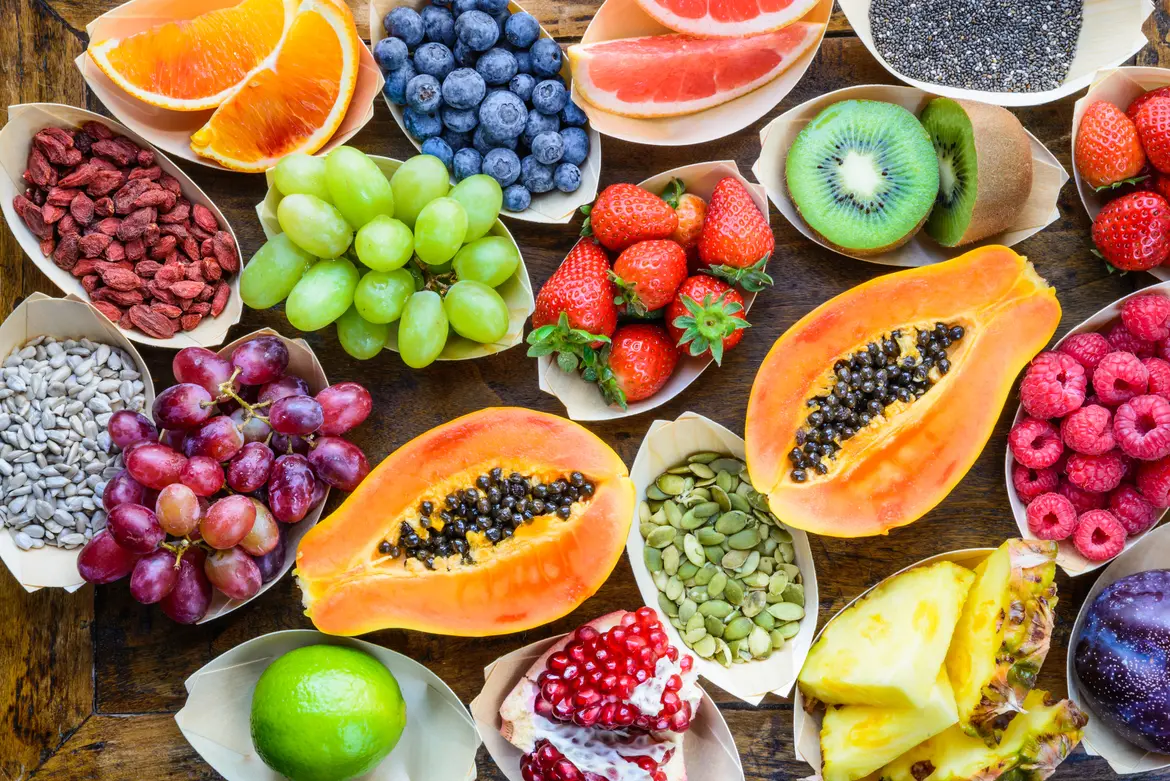
1. What Antioxidants in Fruit Actually Do and Why an Antioxidant Fruit List Matters
Oxidative stress occurs when the production of reactive oxygen species (free radicals) in the body outpaces the available antioxidant defences. Free radicals are unstable molecules that damage cellular structures including DNA, proteins, and cell membranes through chain reactions of electron transfer. Accumulated oxidative damage is associated with accelerated ageing and a range of chronic conditions.
Antioxidants interrupt these chain reactions by donating electrons to free radicals, neutralising them before they cause structural damage. Fruits contain several classes of antioxidant compounds that operate through different mechanisms: polyphenols and flavonoids neutralise free radicals in both aqueous and lipid environments; carotenoids (beta-carotene, lycopene) specifically protect fatty tissues and cell membranes; betacyanins provide potent aqueous antioxidant activity; Vitamin C is the primary water-soluble antioxidant across all tissues.
The reason an accurate antioxidant fruit list matters rather than relying on a single ORAC score is that different antioxidant compounds reach different tissues, protect against different types of damage, and have different research bases supporting their biological activity. Compound diversity across your fruit intake is more protective than maximising any single antioxidant.
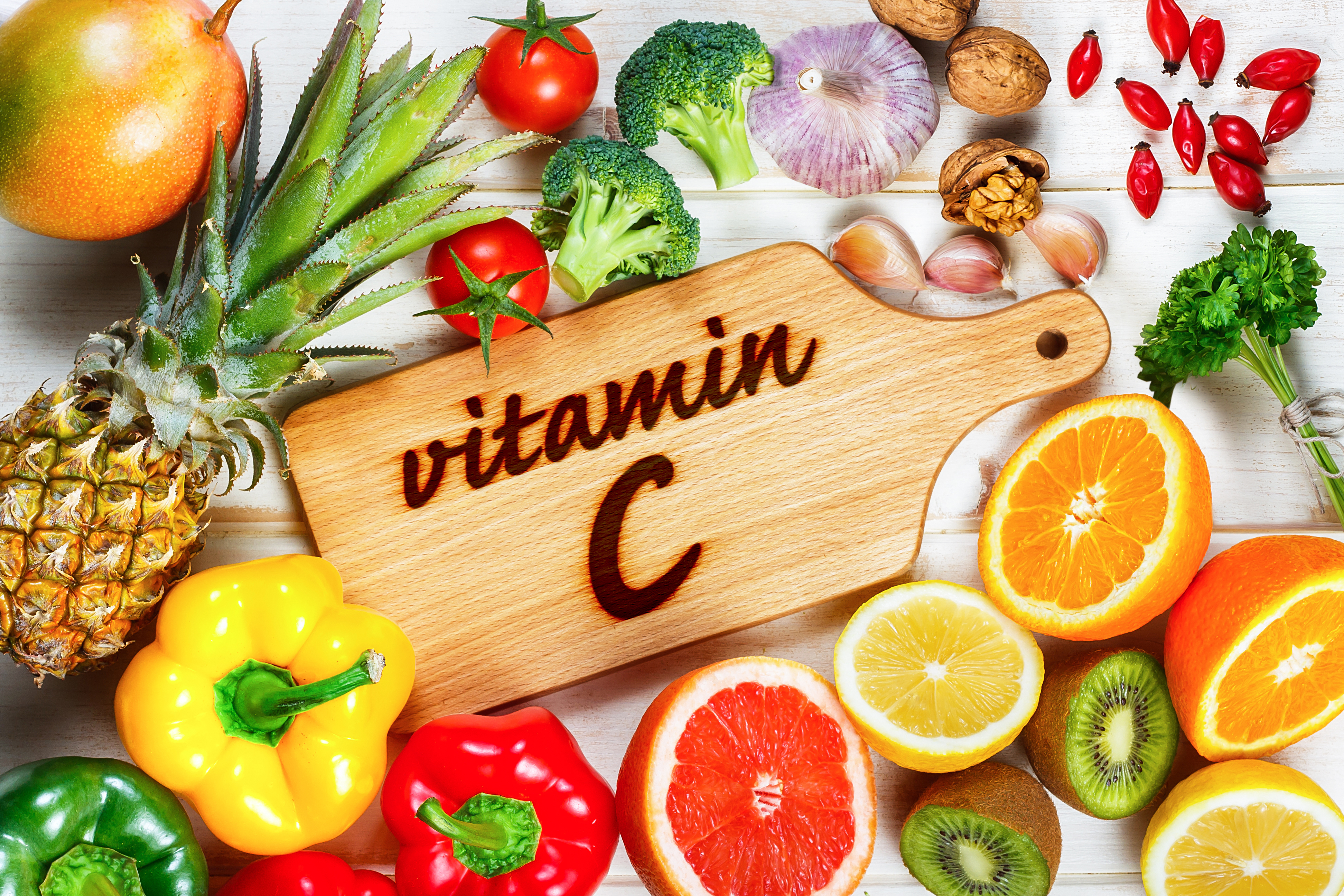
2. The Complete Antioxidant Fruit List: Ranked by Key Compounds
a. Tropical Fruits with Antioxidants The High-Betacyanin and Polyphenol Group
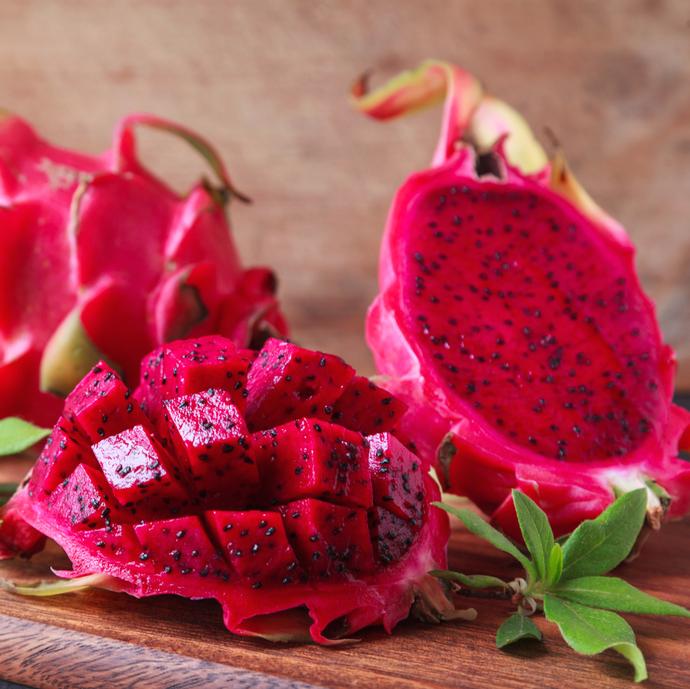
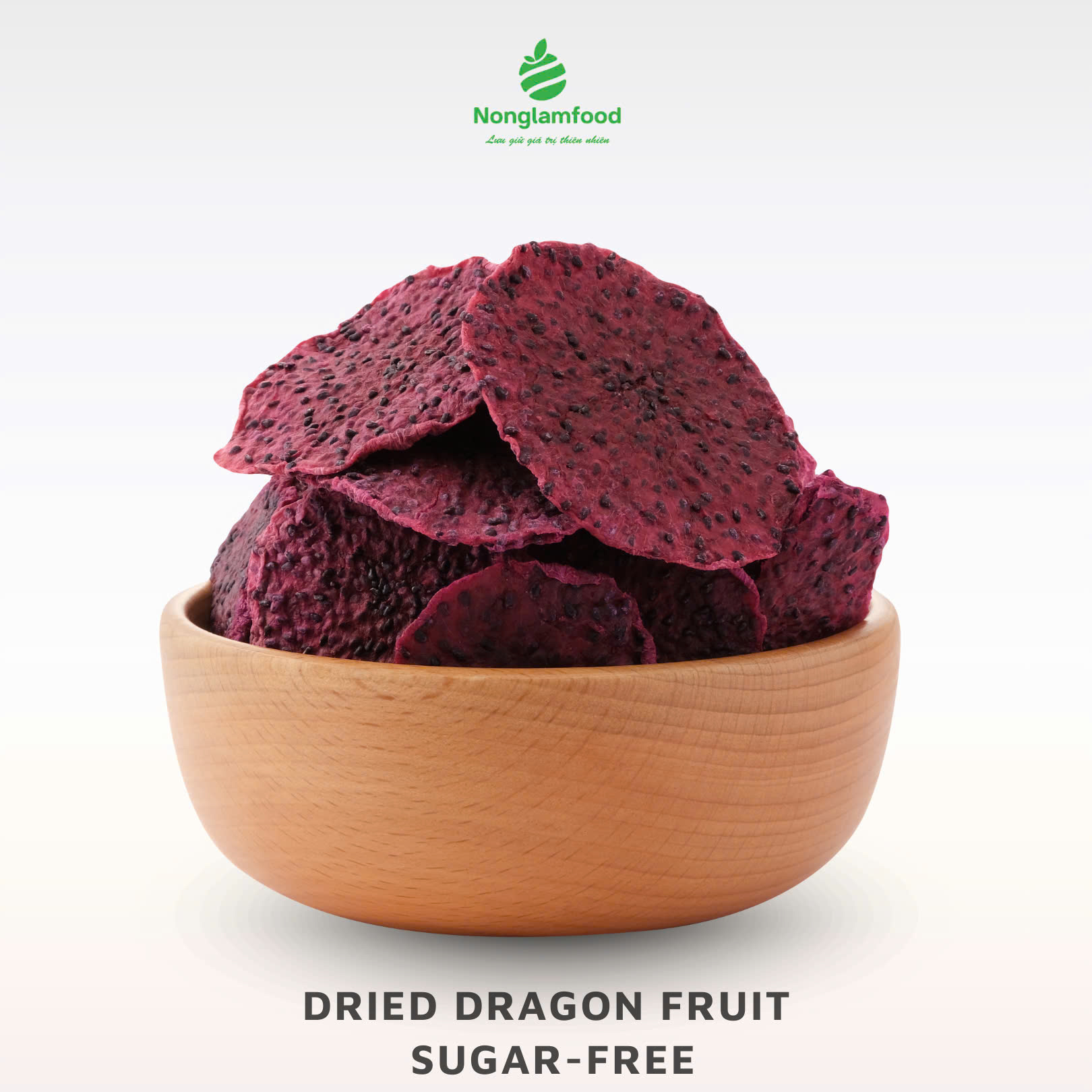
- Red dragon fruit (betacyanins): The highest betacyanin concentration of any commonly available fruit. Betacyanins are water-soluble pigments with potent free-radical scavenging activity research suggests they may support cardiovascular health by protecting LDL cholesterol from oxidation. The vivid pink-red colour is the direct visual indicator of betacyanin density.
- Mango (mangiferin + beta-carotene): Mango contains mangiferin a C-glucosylxanthone polyphenol unique to the mango family with well-documented antioxidant and anti-inflammatory properties in research settings. It also delivers significant beta-carotene, converted to Vitamin A in the body, which protects cell membranes and fatty tissues from oxidative damage.
- Passion fruit (piceatannol + flavonoids): Passion fruit contains piceatannol a stilbene compound closely related to resveratrol alongside a broad range of flavonoids. Piceatannol has demonstrated anti-inflammatory and antioxidant activity in multiple research contexts.
- Guava (lycopene + Vitamin C): Guava delivers a dual antioxidant mechanism: lycopene (the carotenoid that makes tomatoes red, also present in pink guava) and exceptionally high Vitamin C content. Lycopene's role in protecting against oxidative damage to lipids and DNA has significant research support.
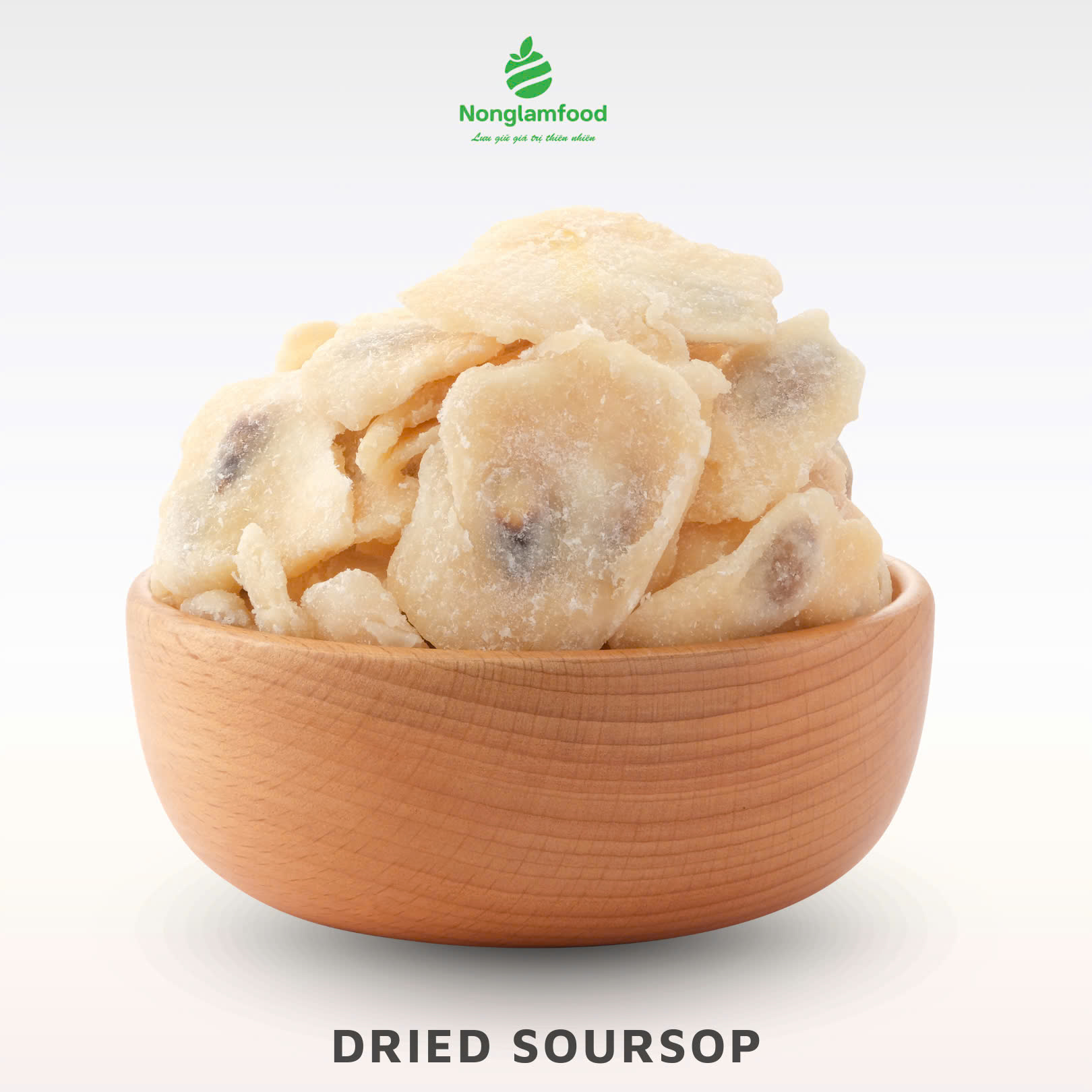
- Soursop (acetogenins + polyphenols): Soursop contains acetogenins and a range of polyphenolic compounds. Research interest in soursop's antioxidant properties is growing, though the evidence base is less developed than for the other fruits listed here.
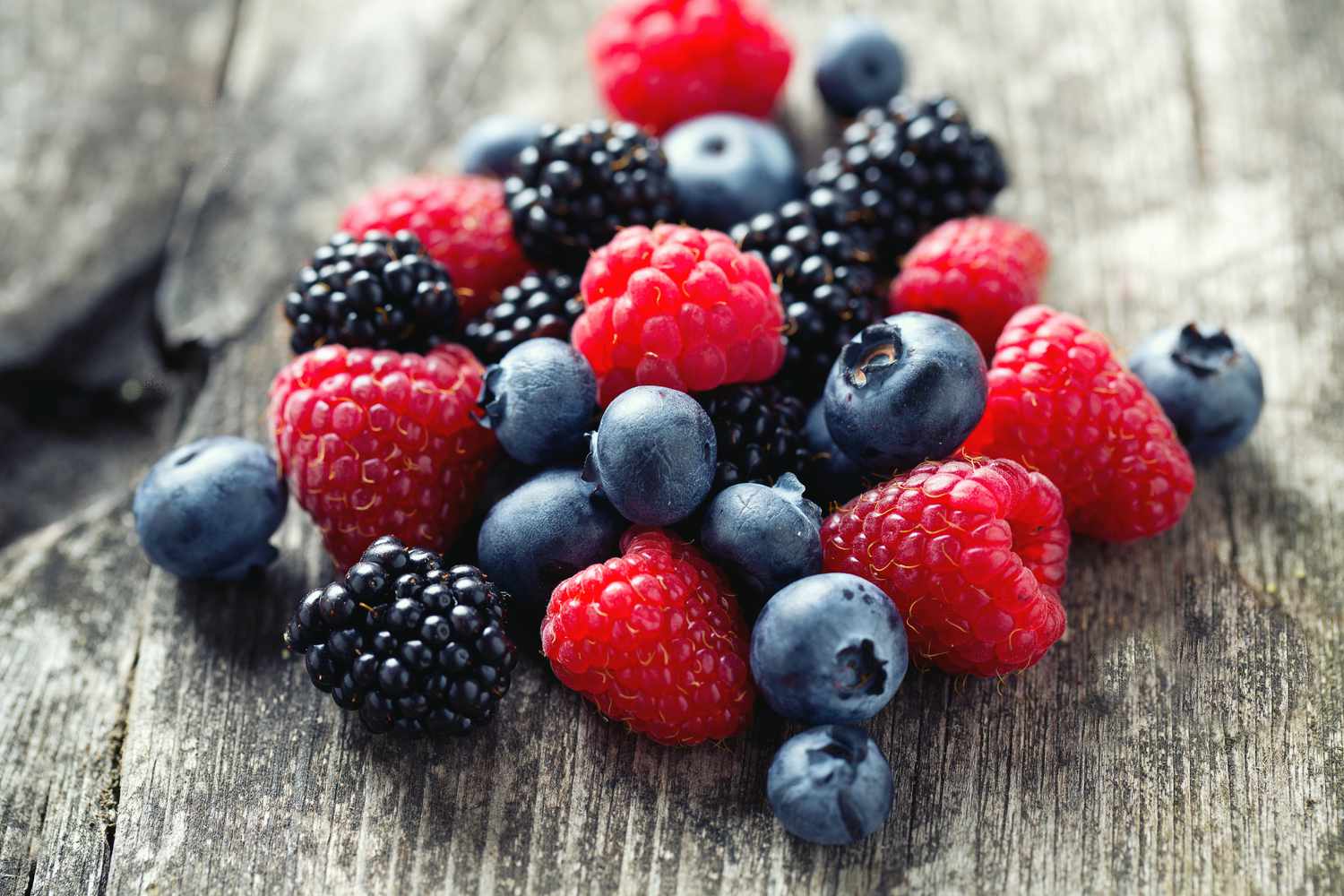
b. Antioxidant-Rich Fruits Classic Berry and Temperate Group
- Wild blueberry (anthocyanins): Among the highest ORAC scores of commonly available fruits. Anthocyanins the blue-purple pigments have one of the most extensive human research bases of any fruit antioxidant, with studies supporting effects on cognitive function, cardiovascular health, and inflammation markers.
- Pomegranate (ellagic acid + punicalagins): Punicalagins are unique antioxidant compounds found almost exclusively in pomegranate. Multiple human trials support cardiovascular antioxidant effects. Pomegranate juice has a higher antioxidant activity by most measures than red wine or green tea.
- Prune / dried plum (chlorogenic acid): The highest ORAC score of common dried fruits. Chlorogenic acid has well-researched antioxidant and blood-sugar-modulating properties.
c. Best Fruits for Antioxidants Practical Everyday Sources
- Apple with skin (quercetin): Quercetin is one of the most studied dietary flavonoids present primarily in the skin. Research supports anti-inflammatory and antioxidant mechanisms. Always eat with skin for meaningful quercetin intake.
- Red grape (resveratrol + anthocyanins): Resveratrol in red grape skin has a substantial research base, though quantities in whole fruit are modest compared to concentrated supplements.
- Citrus fruits (hesperidin + Vitamin C): Hesperidin a flavanone in citrus pith and membrane contributes meaningful antioxidant activity alongside Vitamin C.
3. How Processing Affects Antioxidant Content in Fruits on This List
The antioxidant value of dried fruit depends critically on the drying method used. Not all antioxidant compounds respond equally to heat:
- Betacyanins (dragon fruit): Moderately heat-sensitive. Conventional hot-air drying at sustained 65-80°C causes significant betacyanin degradation the vivid colour fades and antioxidant activity drops. Heat pump drying at 25-30°C in Stage 2 preserves betacyanin content substantially better.
- Polyphenols and flavonoids (mango, passion fruit): Moderate heat stability. Some degradation at conventional drying temperatures; better retention with low-temperature processing.
- Vitamin C (guava, papaya, pineapple): The most heat-sensitive antioxidant compound in fruit. 20–50% loss at conventional hot-air drying temperatures; significantly better retention with heat pump Stage 2 at 25-30°C.
- Carotenoids / beta-carotene (mango, papaya): Relatively heat-stable. Well-retained across most drying methods. Fat soluble better absorbed when consumed with a small amount of dietary fat.
Nong Lam Food's two-stage heat pump drying process specifically addresses the heat-sensitive antioxidants betacyanins and Vitamin C in particular through the 25-30°C Stage 2 temperature that conventional processing cannot achieve.
4. Tropical Fruits with Antioxidants: Vietnam's Contribution to the Antioxidant Fruit List
Vietnam's diverse climate zones from tropical lowland Mekong Delta to cooler Central Highlands at altitude produce tropical fruits with antioxidant profiles that reflect the high solar radiation, volcanic soils, and distinct growing conditions of their origin. Dragon fruit from Binh Thuan's coastal sandy soils, passion fruit from Da Lat's highland volcanic terrain, and mango from the Mekong Delta's alluvial plains each carry distinct compound profiles shaped by their growing environment.
Nong Lam Food's dried dragon fruit retains the betacyanin pigmentation that makes it both visually distinctive and antioxidant-rich a direct reflection of the heat pump drying approach that protects these sensitive compounds. Dried mango delivers mangiferin and beta-carotene alongside natural sweetness. Dried passion fruit contributes piceatannol and dietary fibre in a tart, intensely aromatic format. These are not generic commodity products they are functional snacks where the antioxidant value is an inherent characteristic of both the raw material and the production process.
5. How to Build an Antioxidant-Rich Fruit Diet: Practical Application
- Diversity principle: Different antioxidant compounds protect different tissues and operate through different mechanisms. Eating the same single 'superfood' daily is less protective than rotating across red, purple, orange, yellow, and green fruits throughout the week.
- Colour as a guide: The colour of a fruit is often the most reliable practical indicator of its dominant antioxidant class. Red/purple fruits (dragon fruit, berries, pomegranate) indicate anthocyanins and betacyanins. Orange/yellow fruits (mango, papaya, pineapple) indicate carotenoids and beta-carotene. Green fruits (guava, kiwi) indicate Vitamin C and chlorophyll-associated compounds.
- Dried fruit as a daily antioxidant tool: 30g of dried dragon fruit, dried mango, or dried passion fruit provides a concentrated antioxidant contribution in a convenient, shelf-stable format. Use as a snack, a smoothie addition, or an assorted mix component.
- Fat pairing for carotenoids: Beta-carotene and lycopene are fat-soluble antioxidants their absorption improves significantly when consumed with a source of dietary fat. Pairing dried mango with a small amount of coconut chips or nuts improves carotenoid absorption from both.
6. Conclusion
The most complete antioxidant fruit list extends well beyond blueberries and pomegranates to include tropical varieties dragon fruit, mango, passion fruit, guava that bring unique antioxidant compound classes unavailable from temperate fruits alone. The combination of compound diversity, high antioxidant activity, and the practical convenience of dried format makes tropical dried fruits one of the most useful additions to an antioxidant-focused diet.
As with all nutrition-adjacent content: antioxidant activity in laboratory settings does not automatically translate to equivalent health effects in the human body. Consuming a diverse range of antioxidant-rich fruits as part of a balanced diet is the evidence-based approach not relying on any single source as a solution to oxidative stress.
Explore Nong Lam Food's antioxidant-rich dried tropical fruit range at vietnamdriedfruits.vn: dried dragon fruit, mango, and passion fruit, produced with heat pump drying to preserve betacyanins, polyphenols, and natural Vitamin C.
Related information
- List of Fruits High in Vitamin C: From Everyday Picks to Tropical Powerhouses
- How to Make Dried Pineapple: Preserving Color, Texture & Natural Flavor
- Choosing a Reliable Dry Fruit Company for OEM and Bulk Supply
- Understanding Mangosteen Season Vietnam for Global Supply Chain Planning
- Best Jackfruit Varieties: Nutrition, Flavour, and What Makes Each One Special
- Vietnam Durian Seasons Explained: When to Source the Best Quality
PRODUCT CATEGORIES
NEWS

Partner with us to provide and elevate healthier food options while supporting sustainable agriculture with a passion to serve and a commitment to innovation. Together, we can improve the lives of disadvantaged farmers and generate a positive impact!

