




Dedicated Manufacturer and Exporter of Premium Dried Fruits, Natural Fruit Bars, and Flavored & Coated Nuts
- Home
- /
- Knowledge Hub
- /
- List of Fruits High in Vitamin C: From Everyday Picks to Tropical Powerhouses
List of Fruits High in Vitamin C: From Everyday Picks to Tropical Powerhouses
The standard list of fruits high in Vitamin C begins with orange and stops far too early. Several tropical fruits native to Southeast Asia and South America contain two to five times the Vitamin C of citrus, and understanding the full picture helps you make genuinely better choices for your daily diet and for health-conscious product formulations. This guide ranks the most significant sources, corrects the most common misconception in nutrition media, and explains how preparation and processing affect how much Vitamin C actually reaches you.
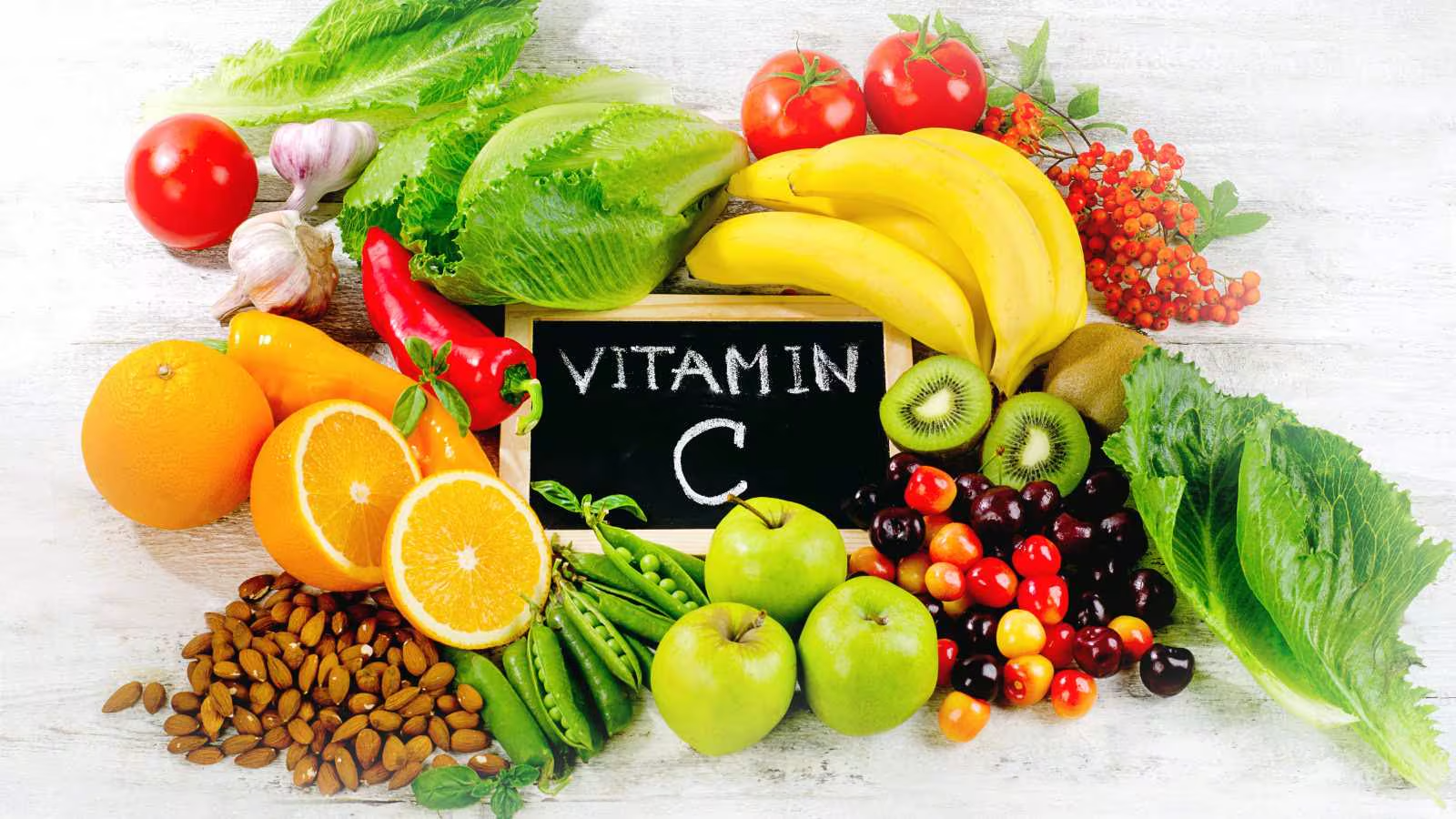
1. Why Vitamin C Matters and How Much You Actually Need
Vitamin C - ascorbic acid performs roles in the body that are genuinely non-substitutable. It is the primary water-soluble antioxidant in human tissue, meaning it directly neutralises free radicals in the aqueous environments of cells and blood. It is also an essential cofactor for collagen synthesis: without adequate Vitamin C, the body cannot produce the structural protein that holds connective tissue, skin, blood vessels, and cartilage together a deficiency that historically produced the disease scurvy in populations cut off from fresh produce.
Practically, the recommended daily intake for adults is 75mg for women and 90mg for men, rising to 120mg for smokers (whose oxidative stress burden is significantly higher). The tolerable upper limit is 2,000mg - a threshold difficult to reach through food alone. Importantly, Vitamin C is not stored in the body; it is water-soluble and excreted when intake exceeds current needs. This means consistent daily intake from food is preferable to periodic high-dose supplementation for most people.
2. The Complete List of Fruits High in Vitamin C: Ranked by Content
The following list ranks the most significant fruit sources of Vitamin C, from highest to most accessible, with approximate content per 100g of edible fresh fruit:
a. Tropical Fruits Rich in Vitamin C — The Highest-Concentration Sources
| Fruit | Vitamin C (per 100g) | Context |
|---|---|---|
| Kakadu plum (Australian native) | ~2,900mg | Highest known natural Vitamin C source specialty market only |
| Camu camu (Amazonian) | ~2,800mg | Supplement form widely available; fresh fruit rarely exported |
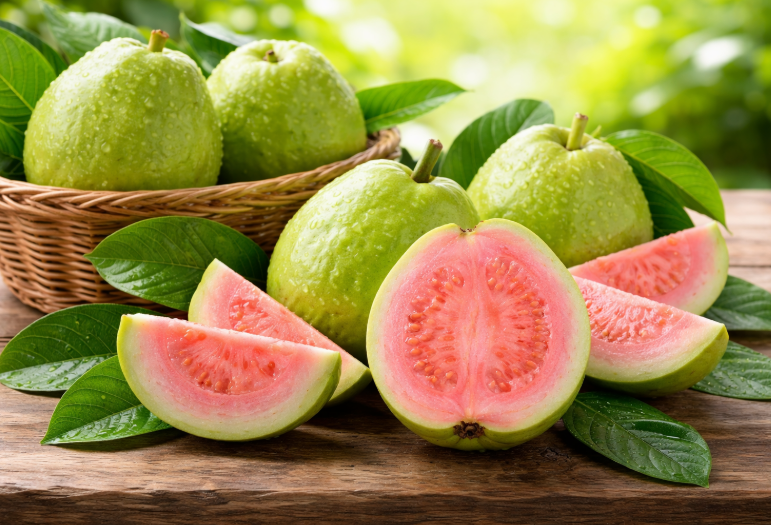
| Guava | ~228mg | Most accessible tropical fruit on this list 4x the Vitamin C of orange |
| Papaya | ~62mg | Practical everyday tropical source; widely available dried |
| Pineapple | ~47mg | Good everyday contribution; widely available fresh and dried |
| Dragon fruit | ~9mg | Not a primary Vitamin C source; valuable for betacyanin antioxidants instead |
b. Classic Best Fruits for Vitamin C — Familiar Sources
| Fruit | Vitamin C (per 100g) | Context |
|---|---|---|
| Kiwifruit | ~92mg | Outperforms orange consistently underappreciated in Vitamin C discussions |
| Strawberry | ~58mg | Popular and accessible; good contribution per serving |
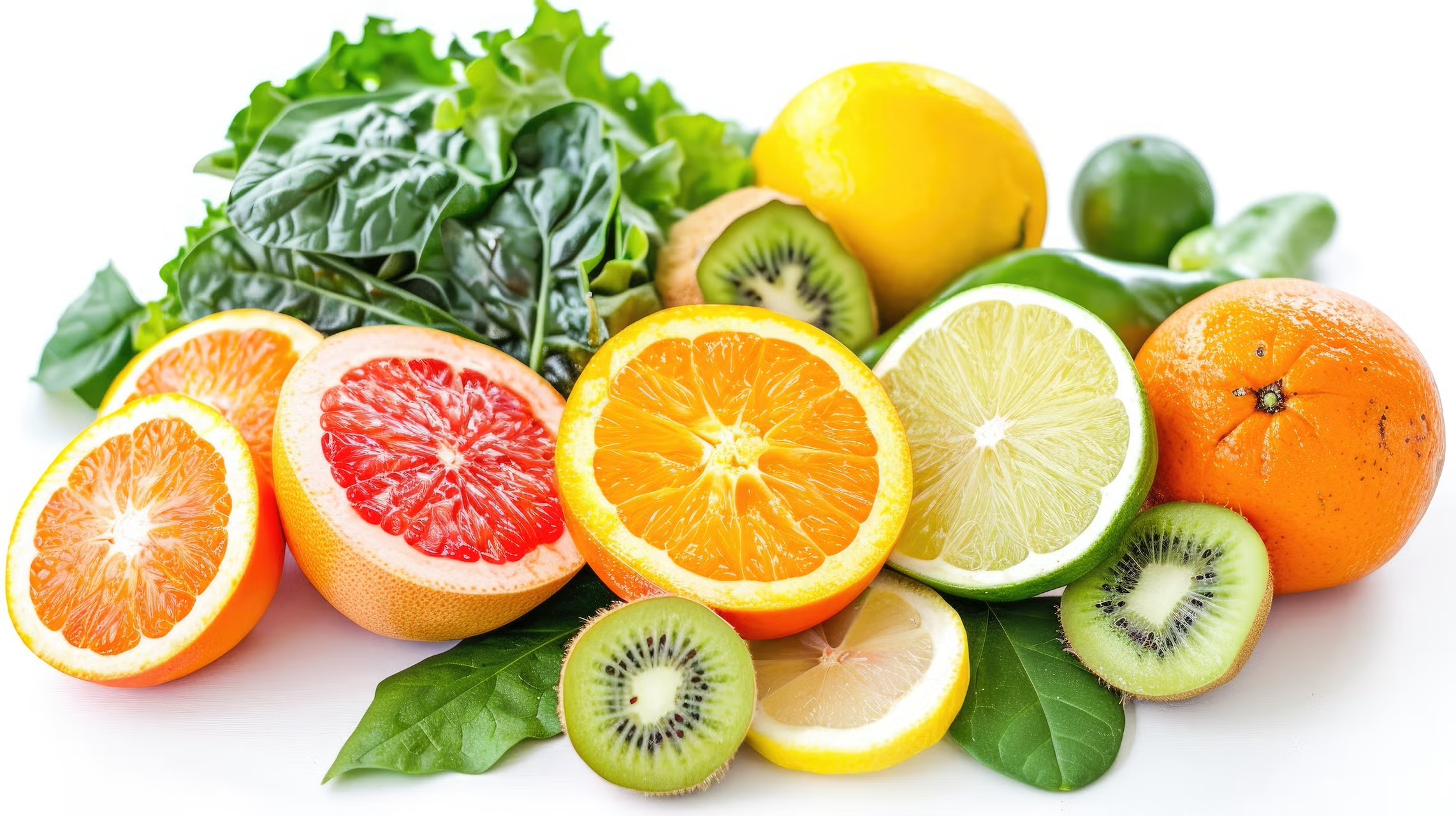
| Orange / mandarin | ~53mg | The reference point not the leader. Marketing has overstated its relative position. |
| Lemon / lime | ~29-53mg | Smaller serving sizes limit practical daily contribution despite decent concentration |
| Grapefruit | ~31mg | Meaningful contribution; lower than commonly assumed |
3. Which Fruit Has the Most Vitamin C? Correcting the Most Common Misconception
Orange became the "Vitamin C fruit" through a combination of early 20th century marketing campaigns by citrus growers and the historical availability of oranges in northern hemisphere winter - a season when scurvy risk was highest and when orange imports from southern origins were commercially significant. The association between orange and Vitamin C was built through commerce and convenience, not nutritional superiority.
The nutritional reality: a single medium guava (approximately 150g) delivers approximately 342mg of Vitamin C - more than 3.5 times the daily requirement for an adult woman. A medium orange delivers approximately 70mg meaningful, but not even close to the same league. Kiwifruit, strawberries, papaya, and pineapple all deliver comparable or superior Vitamin C to orange per 100g. The list of fruits high in Vitamin C that genuinely leads the category is dominated by tropical varieties that most Western dietary guidance barely mentions.
4. How Drying Affects Vitamin C in Fruits High in Vitamin C
Vitamin C is the most heat-sensitive nutrient in dried fruit production and therefore the one where the drying method makes the greatest difference to nutritional outcome. At conventional hot-air drying temperatures of 65-80°C sustained throughout the process, Vitamin C degradation runs at 20-50% of original content, depending on the duration and specific temperatures involved.
Heat pump drying technology changes this equation significantly. In the two-stage heat pump process used by Nong Lam Food, Stage 1 operates at 60-65°C for free water removal similar to conventional drying in temperature, but shorter in duration. Stage 2 drops to 25-30°C through a refrigeration condensing system that removes humidity from the drying air without raising product temperature. This low Stage 2 temperature dramatically reduces Vitamin C degradation during the critical bound-water removal phase, when product temperature would otherwise rise toward air temperature in a conventional system.
For consumers building a list of fruits high in Vitamin C from dried sources, this means the choice of supplier and production method is not academic it is the variable that most determines how much Vitamin C is actually present in the product they are buying.
5. How to Get More Natural Sources of Vitamin C Through Fruit
- Daily strategy: One guava covers most adults' daily Vitamin C requirement entirely. Papaya, pineapple, and kiwifruit each contribute meaningfully. Varying sources across the day delivers a broader range of accompanying phytonutrients.
- Iron absorption pairing: Vitamin C from fruit consumed at the same meal as iron-rich plant foods (legumes, dark leafy greens, dried fruit) dramatically improves non-haem iron absorption one of the most evidence-backed dietary interaction effects available from simple food pairing.
- Storage and preparation: Vitamin C degrades in light, heat, and when exposed to air. Store cut fruit covered and refrigerated; consume promptly after cutting. Cooking significantly reduces Vitamin C in fruit raw or minimally processed formats deliver the most.
- Dried fruit as a Vitamin C source: Choose heat pump dried tropical fruits over conventionally dried equivalents for better Vitamin C retention. Guava, papaya, and pineapple in dried format remain meaningful if not dominant Vitamin C sources when produced with low-temperature Stage 2 drying.
6. Conclusion
The most accurate list of fruits high in Vitamin C is led by tropical varieties guava above all that are significantly underrepresented in mainstream nutritional guidance. Orange is a useful, accessible Vitamin C source, but it sits in the middle of the ranking rather than at the top. Understanding this ranking helps consumers and product developers make genuinely better choices for nutritional outcome.
For those using dried fruit as a Vitamin C delivery format, the production method is the critical variable low-temperature heat pump drying preserves significantly more Vitamin C than conventional processing.
Explore Nong Lam Food's heat pump dried tropical fruit range at vietnamdriedfruits.vn: dried guava, papaya, pineapple, and more, produced to preserve natural Vitamin C content through low-temperature Stage 2 drying.
Related information
- Antioxidant Fruit List: The Best Fruits for Fighting Oxidative Stress
- Mango Season in Vietnam: Harvest Windows, Varieties & What to Buy
- Dry Fruits for Weight Loss: Which Ones Work and How to Choose Wisely
- How to Make Dried Pineapple: Preserving Color, Texture & Natural Flavor
- Dried Fruit Shelf Life Explained: How Long It Lasts and How to Store It Right
- Nutrient Rich Dried Fruits: What Science Says About Their Health Benefits
PRODUCT CATEGORIES
NEWS

Partner with us to provide and elevate healthier food options while supporting sustainable agriculture with a passion to serve and a commitment to innovation. Together, we can improve the lives of disadvantaged farmers and generate a positive impact!

