




Dedicated Manufacturer and Exporter of Premium Dried Fruits, Natural Fruit Bars, and Flavored & Coated Nuts
- Home
- /
- Knowledge Hub
- /
- What Fruits Grow in Vietnam? A Sourcing Guide for Global Partners
What Fruits Grow in Vietnam? A Sourcing Guide for Global Partners
What fruits grow in Vietnam? Vietnam is one of Southeast Asia's most biodiverse agricultural countries, a tropical nation stretching across 15 degrees of latitude, producing an extraordinary range of fruit varieties across three distinct climate zones. For importers, distributors, and food brands building a sourcing strategy around Vietnamese produce, understanding the breadth of the country's fruit diversity is not just useful background knowledge. It is the foundation of a supply relationship that can deliver consistent quality, genuine product differentiation, and year-round availability.
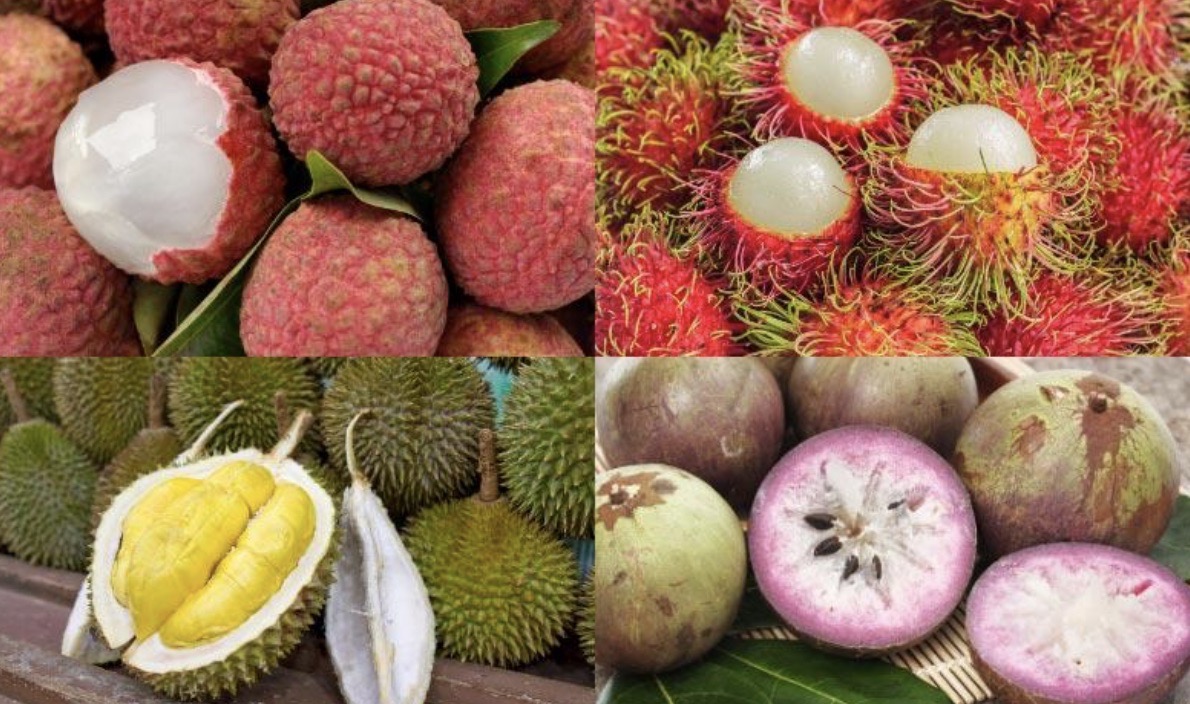
What Fruits Grow in Vietnam and Why Diversity Is the Strategic Advantage
Vietnam's geographic length over 1,600 kilometres from north to south means the country spans tropical, subtropical, and highland climate zones simultaneously. The Mekong Delta in the south provides the warm, humid conditions ideal for high-volume tropical fruit production. The central highlands offer cooler temperatures and well-drained soils suited to a different range of varieties. The northern highlands produce fruit with characteristics shaped by seasonal temperature variation unavailable elsewhere in the country.
This climate diversity means that what fruits grow in Vietnam is not a single list, it is an overlapping seasonal calendar of varieties, each with its own peak window, flavour profile, and export potential. The result is one of the most versatile tropical fruit sourcing environments in the world: a buyer who understands the calendar and the geography can source premium-quality fresh or processed fruit from Vietnam in virtually every month of the year.
Vietnam currently ranks among the world's top 20 fruit exporters by volume, with annual fruit export value exceeding USD 3 billion. The growth trajectory of processed fruit formats particularly dried fruit, frozen fruit pulp, and freeze-dried specialty products has added significant value to this export base, creating opportunities for brands who want to source finished consumer products rather than raw commodities.
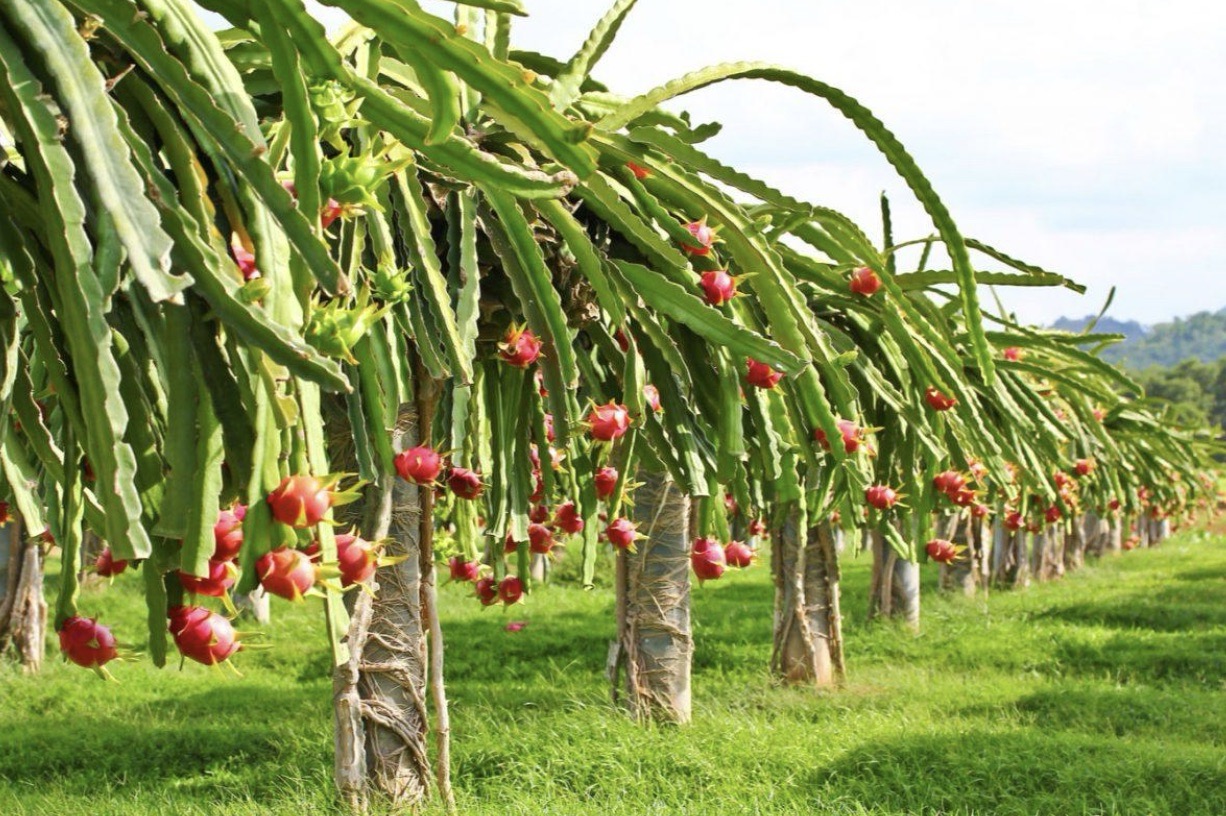
A Complete List of Fruits That Grow in Vietnam by Category
Flagship Export Fruits - Vietnam's Most Commercially Significant Varieties
- Mango (Xoai): Vietnam's most important fruit export. Key varieties include Cat Hoa Loc (premium fresh, buttery flesh, no fibre), Cat Chu (the preferred processing variety for dried mango), and GL3 (Thai-cross, large format, excellent colour for export). The main harvest season runs March to June in the Mekong Delta, with off-season grafted crops available October through January.
- Dragon Fruit (Thanh Long): Vietnam is the world's largest dragon fruit exporter. Red-fleshed (Hylocereus costaricensis) and white-fleshed (Hylocereus undatus) varieties are grown primarily in Binh Thuan province, with additional production across the south. Dragon fruit is available nearly year-round, with peak production in summer months.
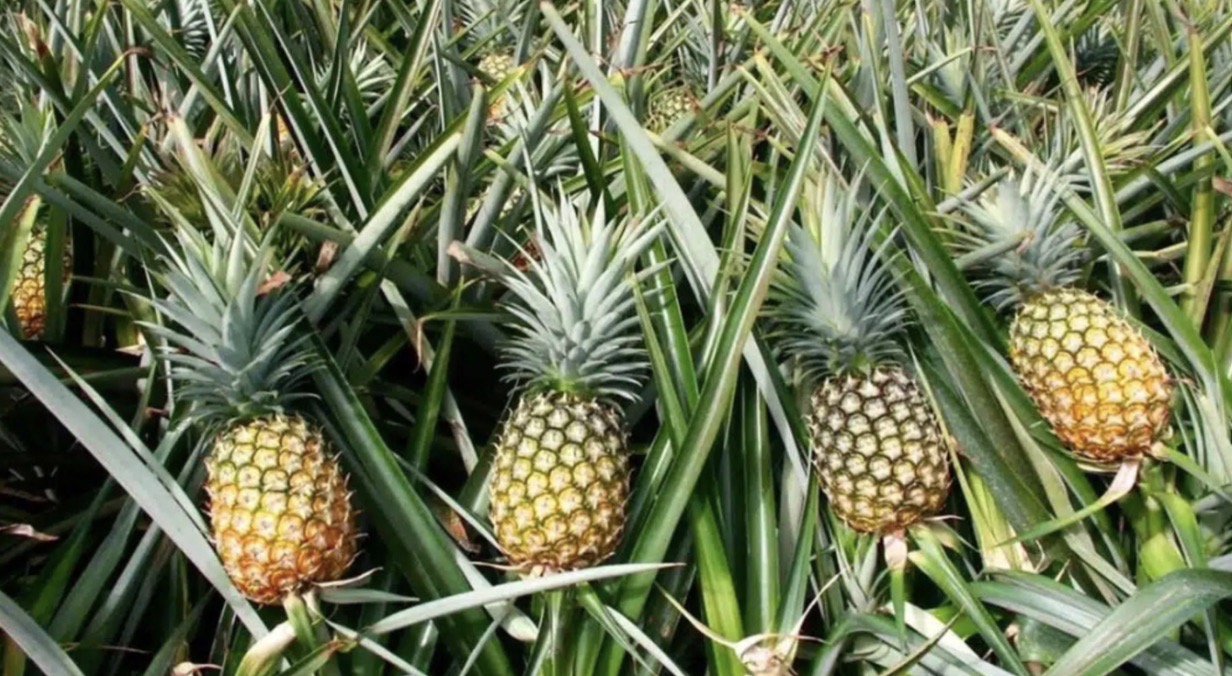
- Pineapple (Dua/Thom): Grown extensively in the Mekong Delta (Kien Giang, Long An) and the central highlands. Vietnamese pineapple is sweet, aromatic, and well-suited to both fresh export and dried processing. Available year-round with regional harvest peaks in different seasons.
Premium Seasonal Fruits That Grow in Vietnam
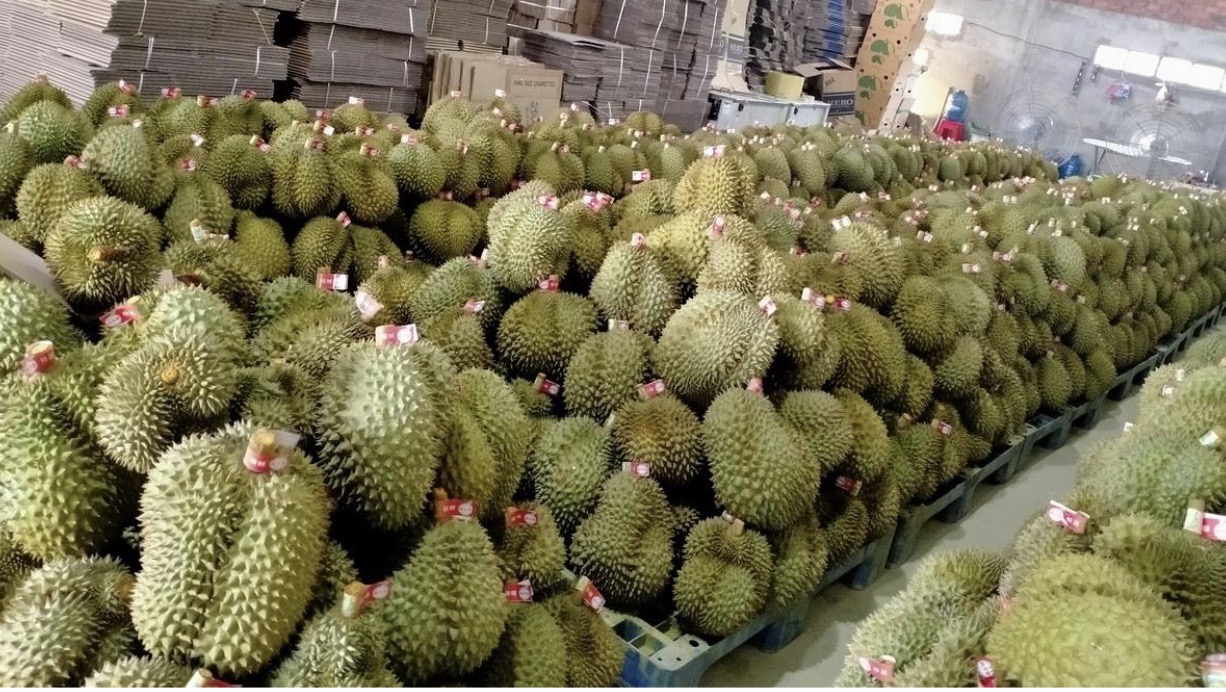
- Durian (Sau Rieng): The highest-value fruit export from Vietnam. Main season April to June in the Mekong Delta; second crop September to November in the Central Highlands (Dak Lak, Lam Dong). Vietnam has rapidly expanded durian production to meet surging Chinese demand, with premium Monthong and Ri6 varieties dominating exports.
- Mangosteen (Mang Cut): The Queen of Fruits short seasonal window from May to August, primarily from Binh Duong and Ben Tre provinces. Highly prized in Chinese, Korean, and Middle Eastern markets. Limited fresh export window makes processed formats (freeze-dried chips, extract) increasingly important.
- Lychee (Vai) and Longan (Nhan): Classic northern Vietnamese fruits with intensely loyal export markets in China, Europe, and North America. Lychee peaks in May to June in Bac Giang province; longan peaks in July to August in the Mekong Delta. Both are processed into dried and canned formats for year-round supply.
- Rambutan (Chom Chom): Grown across the southern provinces. Sweet, juicy, visually distinctive. Peak season June to August. Processed into dried format for specialty export.
High-Value Specialty Fruits Grown in Vietnam
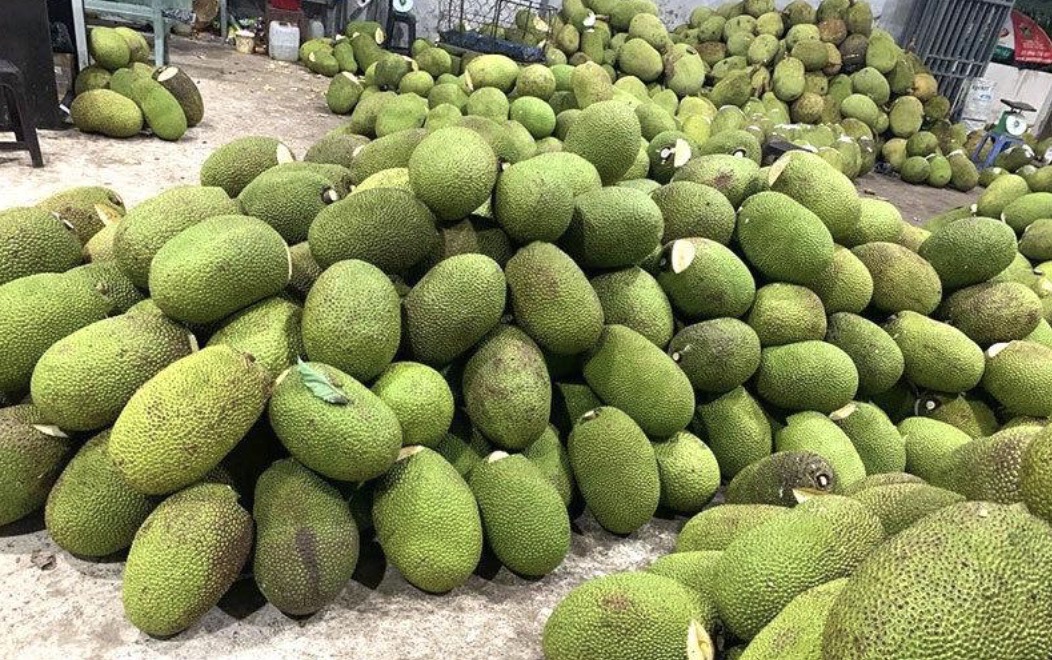
- Jackfruit (Mit): The world's largest tree fruit grows abundantly across Vietnam's tropical south. Available year-round with multiple crops per tree annually. Jackfruit is increasingly processed into dried slices, jackfruit chips, jackfruit bars, and seeds creating value-added export products from a high-volume crop.
- Passion Fruit (Chanh Day): A rising star in Vietnam's fruit export portfolio. Grown primarily in the Central Highlands (Da Lat region) where the altitude and temperature variation produce outstanding flavour intensity. High demand in European and American health food markets for its exceptional fibre content and polyphenol profile. Excellent as a dried fruit and in flavoured coatings.
- Soursop (Mang Cau): A tropical specialty fruit with intensely aromatic, creamy white flesh. Low natural sugar content relative to its sweetness makes it interesting for health-focused product positioning. Available as dried fruit slices with concentrated flavour.
- Papaya (Du Du): Year-round availability across the south. Mild, naturally sweet flavour makes it one of the most accessible tropical fruits for global markets. Processed into dried slices, papaya bars, and flavoured-coated formats.
- Guava (Oi), Aloe Vera: Guava is grown extensively and processed into dried fruit for its high dietary fibre content. Aloe vera, though technically a succulent, is processed alongside fruit lines into dried aloe vera strips, a functional food ingredient with strong demand in health food and beverage applications.
When Do Vietnam's Fruits Grow? A Month by Month Harvest Guide
Understanding the seasonal calendar of what fruits grow in Vietnam at any given time of year is the foundation of effective sourcing planning for importers and distributors.
| Month | Key Fruits in Season | Primary Region |
|---|---|---|
| January - February | Pomelo, kumquat, early longan varieties | Mekong Delta, Central |
| March - April | Mango (early harvest), lychee (early), strawberry | South, North (Bac Giang), Da Lat |
| May - June | Mango (peak), lychee (peak), durian (first crop), jackfruit | Mekong Delta, Bac Giang |
| July - August | Dragon fruit (peak), rambutan, longan, passion fruit | South, Central Highlands |
| September - October | Mangosteen, pineapple flush, early off season mango | South, Central |
| November - December | Durian (second crop), papaya, guava, soursop | Central Highlands, Mekong Delta |
| Year-round | Dragon fruit, pineapple, papaya, jackfruit, aloe vera | Multiple regions |
This overlapping seasonal structure means that a buyer working with a Vietnamese dried fruit processor can access fresh raw material at peak quality throughout the year and that the processor, by converting seasonal surplus into dried format during peak harvest periods, can supply year-round from finished goods inventory.
From Fresh Fruits That Grow in Vietnam to Dried: Adding Value for Global Markets
The question of what fruits grow in Vietnam has an increasingly important commercial extension: which of those fruits are being converted into high-value dried formats for global export, and why does the processing method matter as much as the raw material? Vietnam's dried fruit industry has expanded significantly in the past decade, driven by growing international demand for convenient, shelf-stable tropical snack products. The fruits most commonly processed into dried format for export include mango, pineapple, passion fruit, papaya, dragon fruit, jackfruit, soursop, guava, and aloe vera effectively the full breadth of the country's tropical fruit production.
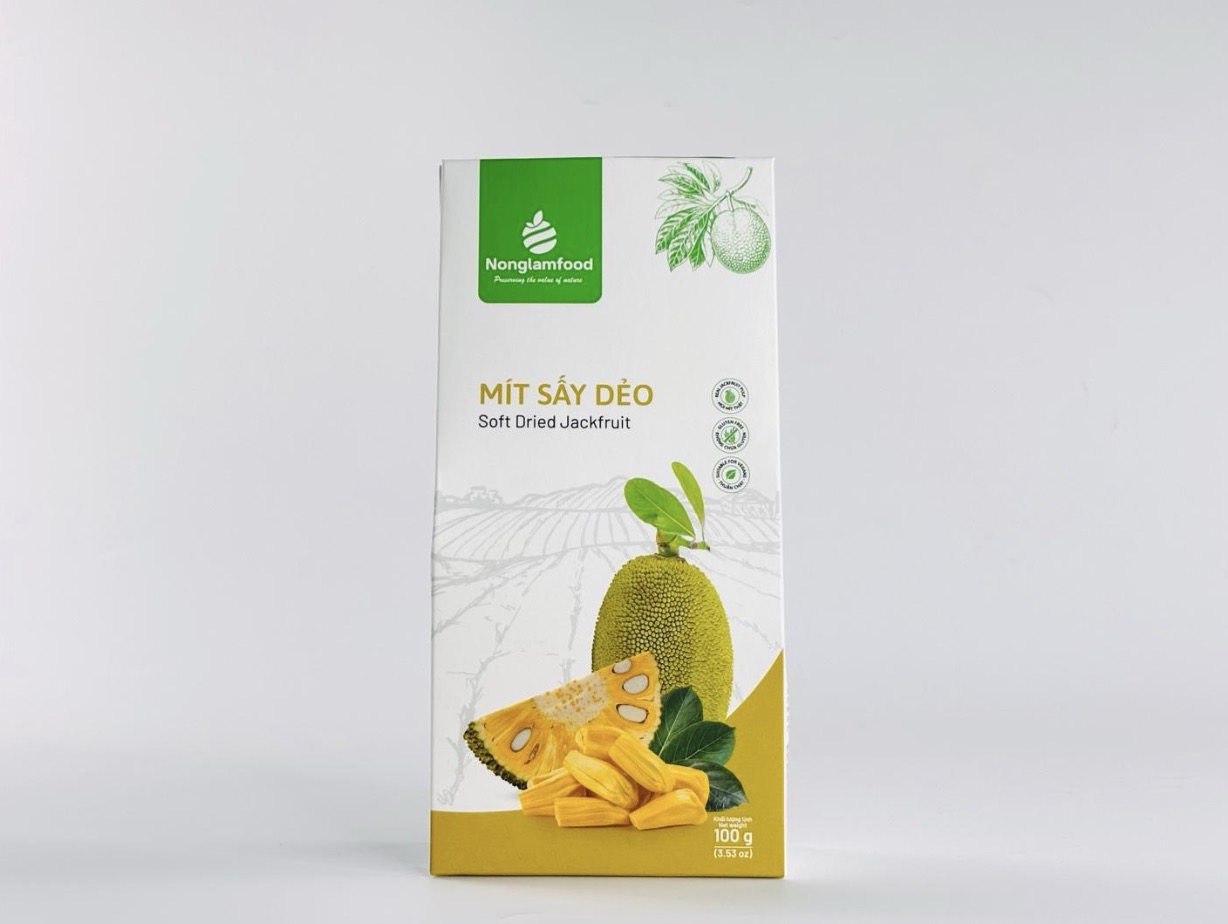
Processing technology has become a genuine differentiator in this market. Heat pump (low-temperature) drying a two-stage process in which Stage 2 operates at 25-30 degrees C rather than the 65–80 degrees C of conventional hot-air drying produces dried fruit with significantly better natural colour retention, stronger aroma, and higher levels of heat-sensitive nutrients including Vitamin C and polyphenols. For brands targeting premium retail or health-conscious consumer segments, the choice of processing partner and technology is as important as the choice of raw material. Nong Lam Food applies this two-stage heat pump process across its full range of dried tropical fruits a product portfolio that directly reflects the diversity of what fruits grow in Vietnam: dried mango, pineapple, passion fruit, papaya, soursop, guava, jackfruit, dragon fruit, and aloe vera, alongside dried fruit bars, flavoured-coated formats, chocolate-dipped varieties, and fruit chips.
How to Source Fruits Grown in Vietnam: A Practical Guide for B2B Partners
For importers and brands building a Vietnamese fruit sourcing strategy, the practical decisions involve more than selecting the right varieties. Format, certification, supply model, and supplier capability all determine whether a partnership delivers on its potential.
| Decision Point | Options | Key Consideration |
|---|---|---|
| Product format | Fresh export, frozen pulp/IQF, dried (heat pump, freeze-dried), pureed | Dried format offers 12-18 month shelf life vs. 2-4 weeks for fresh significantly changes logistics economics |
| Certifications required | HACCP, ISO 22000, BRC, FDA, Organic (USDA NOP / EU Organic), Halal | Match certification requirements to your target market before selecting a supplier |
| Supply model | OEM private label, bulk supply, branded retail distribution | OEM requires detailed product specification; bulk requires repackaging capability at your end |
| Lead time planning | Fresh: 2-4 weeks from harvest to port. Dried: 6-8 weeks production + shipping | Book processing capacity ahead of peak season (ideally 2-3 months before harvest) |
| Quality verification | Sample request + technical data sheet + third-party audit | Never commit to first commercial order without evaluating samples against your specification |
The most effective B2B sourcing partnerships in the Vietnamese fruit sector are built on clarity of specification, mutual understanding of seasonal constraints, and a shared commitment to quality standards. Suppliers who manufacture rather than trade who control the process from raw material intake to packaged output are consistently better placed to deliver on these requirements at scale.
Conclusion: What Fruits Grow in Vietnam and Why It Matters for Your Business
What fruits grow in Vietnam? The answer is an extraordinary range of tropical varieties, produced across diverse climate zones, available across most of the year through a combination of main-season and off-season harvests, and increasingly available in premium processed formats that deliver shelf life and convenience alongside genuine quality. For global importers, distributors, and food brands, Vietnam's fruit diversity is not simply an interesting fact, it is a sourcing opportunity. The combination of competitive raw material economics during peak seasons, advanced processing infrastructure, and a growing cohort of quality-focused manufacturers creates the conditions for partnerships that deliver differentiated products to demanding global markets.
Explore Nong Lam Food's full range of Vietnamese dried tropical fruits at vietnamdriedfruits.vn or contact our team to discuss sourcing requirements, product specifications, and OEM partnership opportunities.
Related information
- Dried Mango Preservation: How to Store It Right and Keep It at Its Best
- Vietnam Durian Seasons Explained: When to Source the Best Quality
- How to Dry Fruit at Home — And Why Serious Brands Go Professional
- Exploring Different Types of Dry Fruits: A Portfolio for Retailers
- Dry Fruit Smoothie Recipes and Why Quality Dried Fruit Makes All the Difference
- How Do They Freeze Dry Fruit and How Does It Compare to Heat Pump Drying?
PRODUCT CATEGORIES
NEWS

Partner with us to provide and elevate healthier food options while supporting sustainable agriculture with a passion to serve and a commitment to innovation. Together, we can improve the lives of disadvantaged farmers and generate a positive impact!

