




Dedicated Manufacturer and Exporter of Premium Dried Fruits, Natural Fruit Bars, and Flavored & Coated Nuts
- Home
- /
- Knowledge Hub
- /
- Exploring Different Types of Dry Fruits: A Portfolio for Retailers
Exploring Different Types of Dry Fruits: A Portfolio for Retailers
Understanding the different types of dry fruits available today from classic temperate varieties to increasingly sought after tropical options is foundational knowledge for any retailer, distributor, or brand building a healthy snack range. The global dried fruit category has expanded dramatically over the past decade, and the brands gaining market share are those that understand the category architecture well enough to make smart, differentiated portfolio decisions.
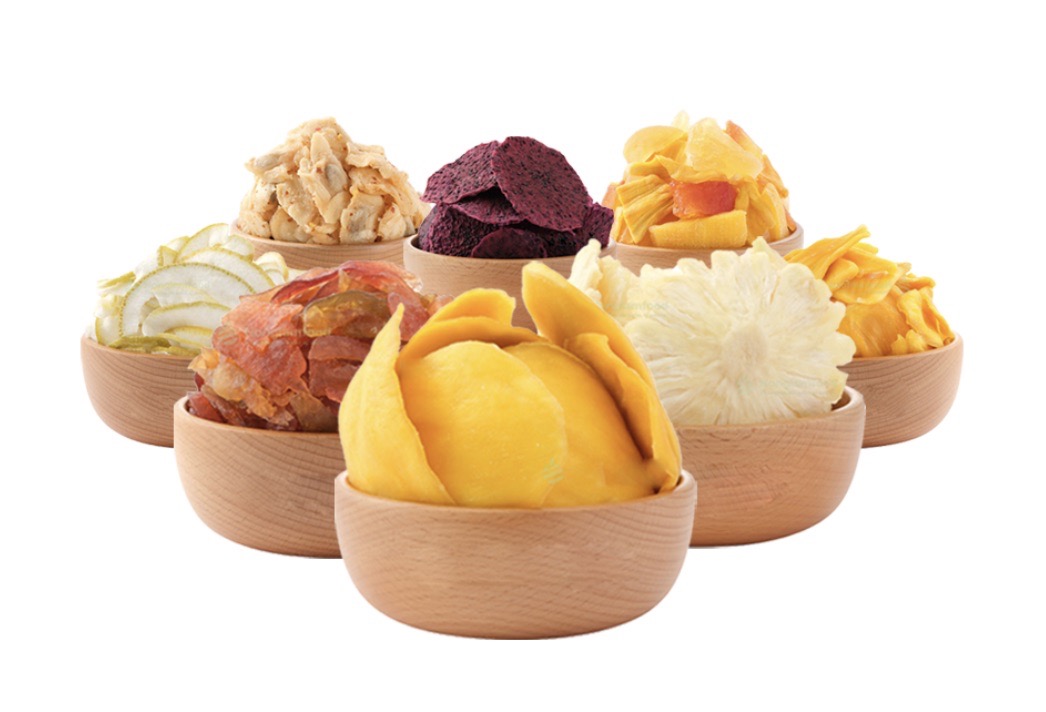
How the Different Types of Dry Fruits Are Classified
Before selecting specific products, it helps to understand how different types of dry fruits are categorised across the four dimensions that matter most for retail portfolio planning:
| Classification Dimension | Categories | Retail Implication |
|---|---|---|
| By origin | Tropical (Vietnam, Thailand, India, Philippines) vs. Temperate (Turkey, USA, Chile, Iran) | Tropical origin commands premium positioning in health food and specialty channels; temperate varieties anchor the mainstream market |
| By processing method | Sun dried, hot air dried, heat pump dried, freeze dried | Processing method determines colour, texture, nutrient retention, and price point the full spectrum from commodity to premium |
| By sugar level | No added sugar, limited sugar, sweetened, confectionery-style | Sugar level is the primary clean label differentiator in the health conscious consumer segment |
| By format | Whole fruit, slices, chunks, bars, chips, coated, dipped | Format diversity drives multiple use occasions: snacking, cooking, gifting, on the go, ingredients |
Classic Types of Dry Fruits: The Retail Foundation
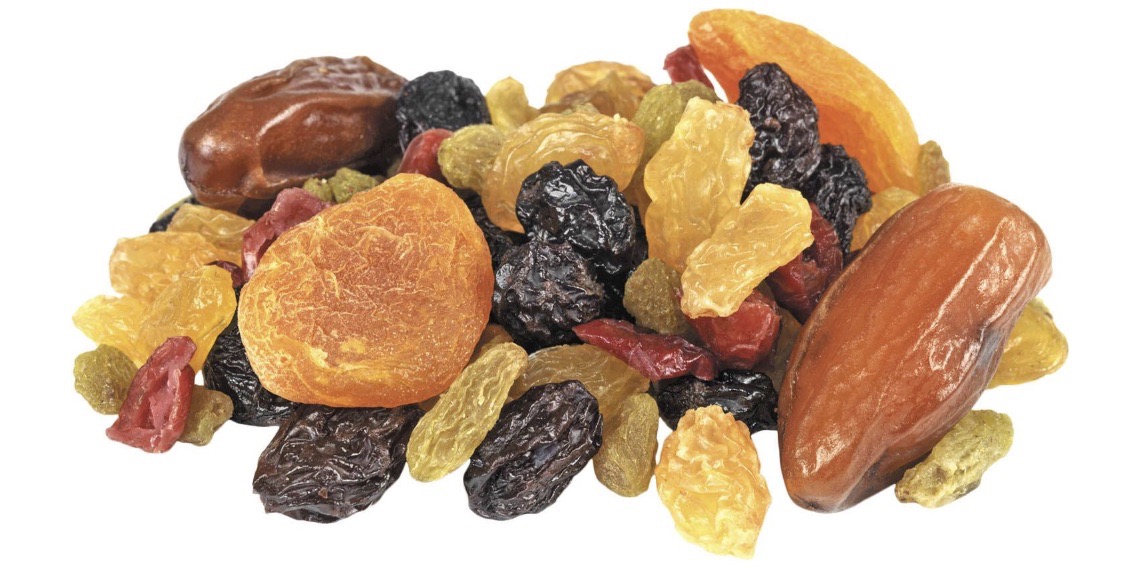
No retailer builds a dry fruit range from scratch the different types of dry fruits that anchor any credible range are the well established temperate varieties that consumers already know and trust. These products provide the familiar entry point that makes exploring more exotic options feel accessible rather than risky.
- Raisins and sultanas: The world's most consumed dried fruit type. Produced from specific grape varieties, raisins (darker, more intense flavour) and sultanas (lighter, milder, golden colour) anchor the mainstream segment. Rich in natural antioxidants including resveratrol, potassium, and iron. Turkey and the USA are the dominant producing origins.
- Dates: Among the oldest cultivated dried fruits in human history. Medjool (large, soft, caramel-rich) and Deglet Noor (firmer, drier, more accessible price point) are the primary retail varieties. Dates are extremely high in natural sugar and fibre a nutrient-dense but calorie significant addition to any range.
- Prunes (dried plums): A functional food category leader. Research-backed digestive health benefits from both sorbitol content and fibre. Steady, loyal consumer base with strong repeat purchase behaviour. Often bought as a health staple rather than a snack.
- Dried apricots: High iron content makes dried apricots a staple for health-focused consumers. Two distinct types: sulphured (bright orange, longer shelf life, more common) and unsulphured (dark brown, more natural, increasingly preferred in clean-label ranges). Turkey dominates global production.
- Dried cranberries: A North American staple with strong brand recognition. Characteristically tart, usually sweetened to improve palatability. Good antioxidant profile. Popular as a snack and as a baking and salad topping ingredient.
Tropical Types of Dry Fruits: The Growth Opportunity for Retailers
The most significant category expansion opportunity in dried fruit retailing is in tropical varieties specifically those produced in Southeast Asia. Consumer interest in exotic flavours, functional nutrition, and authentic provenance has created demand for different types of dry fruits that most traditional retailers have been slow to address.
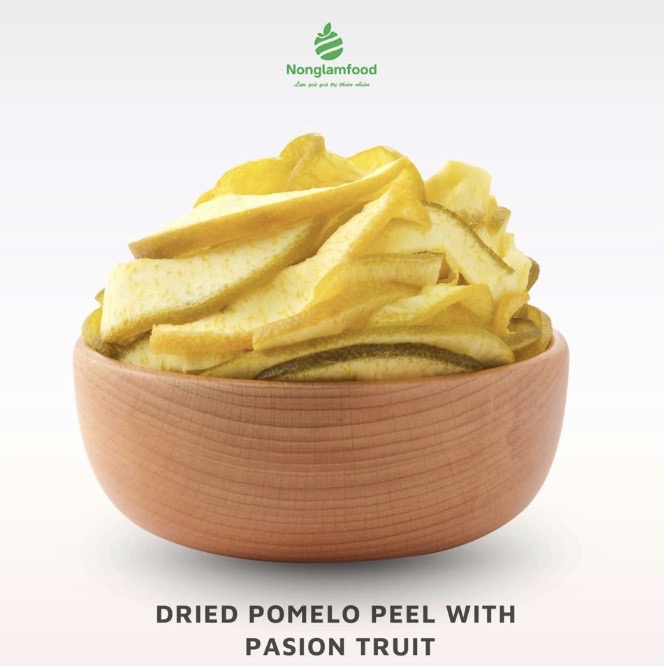
Vietnamese Tropical Dry Fruit Types Premium and Differentiated
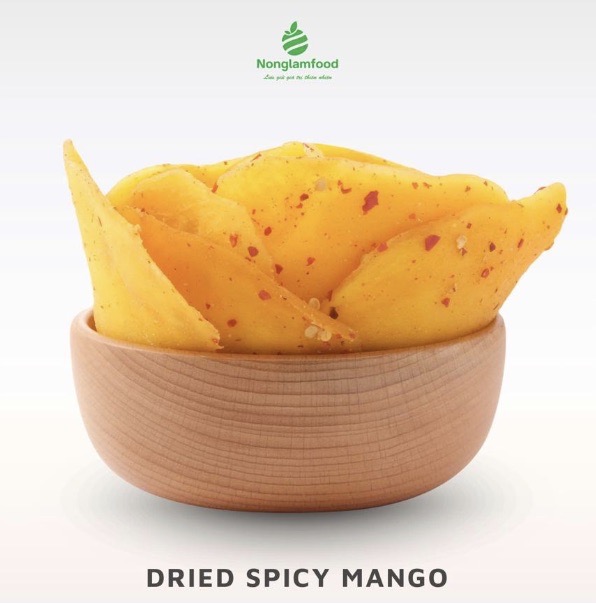
- Dried mango: The world's most popular tropical dried fruit type. Vietnam's Mekong Delta produces mango with exceptional natural sweetness and flavour intensity particularly Cát Chu and GL3 varieties. Heat pump dried mango with limited sugar addition represents the premium tier deep amber colour, natural aroma, genuinely superior to commodity alternatives.
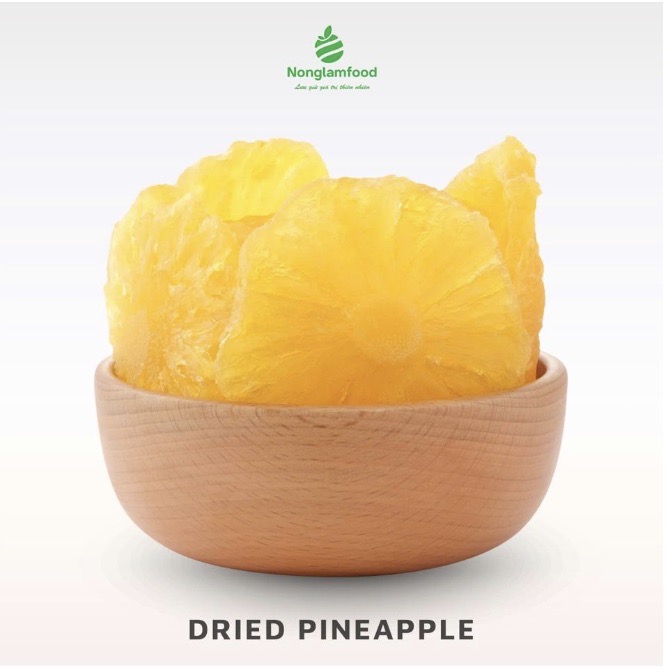
- Dried pineapple: Sweet, tangy, and visually appealing. Vietnamese pineapple processes exceptionally well due to its high natural acid content, which provides a flavour brightness that survives drying. Strong demand in EU and US health food channels.
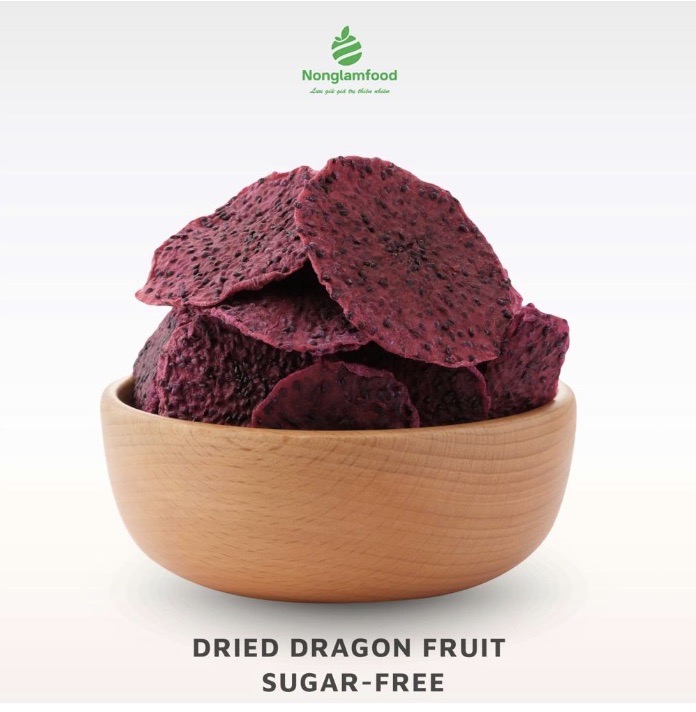
- Dried dragon fruit: Visually the most distinctive dried fruit type available the bright pink-red colour of red-fleshed varieties creates immediate shelf standout. Rich in betacyanin antioxidants. Vietnam is the world's largest dragon fruit producer, and dried dragon fruit is a growing export category.
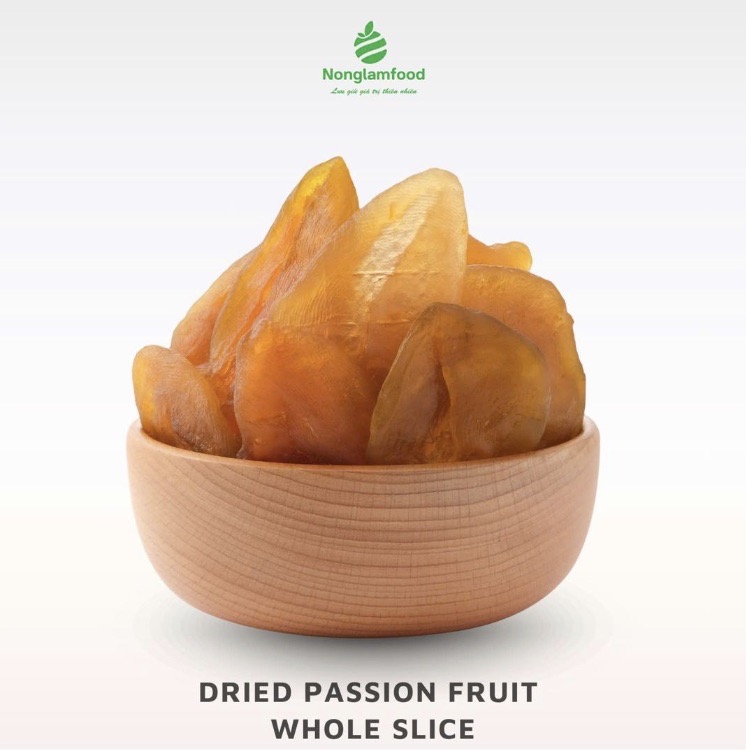
- Dried passion fruit: The highest-fibre tropical dried fruit type. Intensely aromatic the scent when the packet is opened is a strong sensory trigger for purchase and repeat purchase. Da Lat highland production delivers outstanding quality.
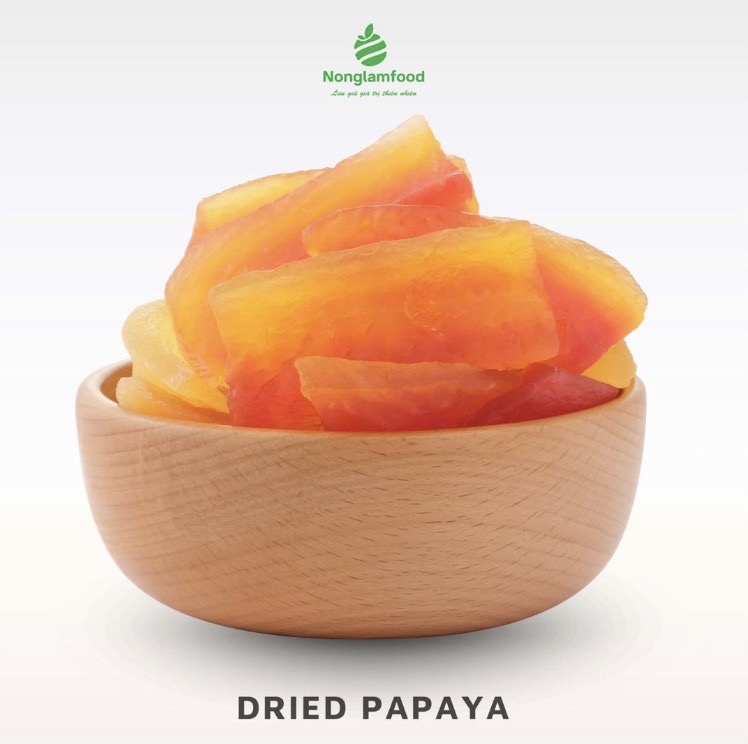
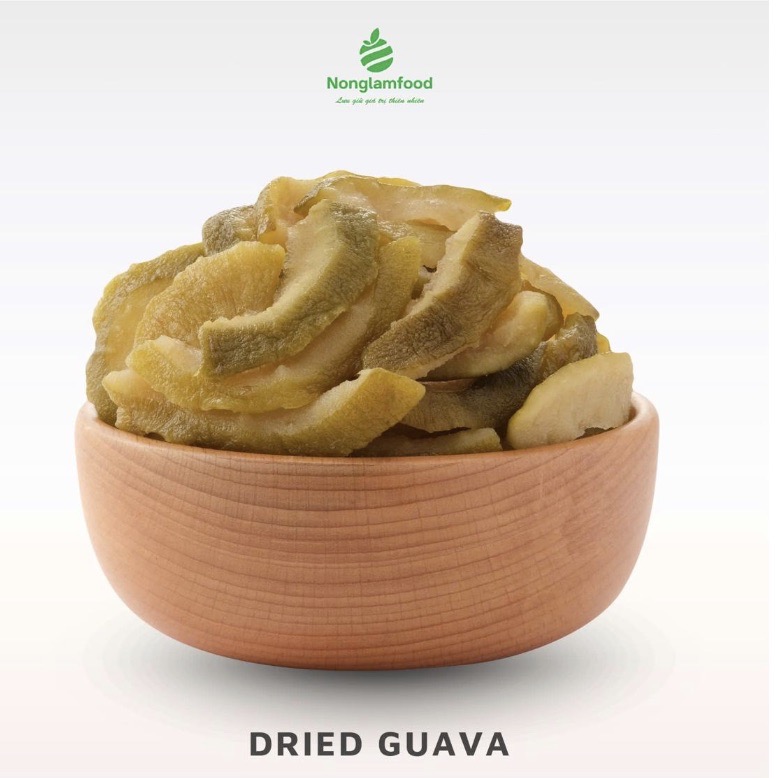
- Dried papaya, jackfruit, soursop, guava, aloe vera: These less-familiar varieties represent the portfolio depth that distinguishes a serious specialty retailer from a mainstream dry fruit range. Each has a distinct nutritional profile and flavour character papaya for digestive health, jackfruit for fibre and novelty, guava for exceptional fibre density.
Value-Added Types of Dry Fruits: Premium Formats That Drive Margin
Beyond whole or sliced dried fruit, a growing category of value added formats adds margin potential and consumption occasion diversity to any dried fruit range:
Flavoured Coated Dry Fruit Types
Dried fruits enhanced with a flavoured outer coating represent one of the most commercially interesting innovations in the category. The coating adds a second flavour dimension that makes the product genuinely more interesting than plain dried fruit while the dried fruit base provides the natural sweetness and nutritional substance.
The most commercially proven coating combinations include lime juice coating on dried mango (the acidity of the lime brightens and contrasts the natural mango sweetness), ginger coating on dried pineapple (spicy sweet combination with strong appeal in health food and functional snack channels), and passion fruit juice coating on dried papaya (tropical on tropical layering that creates intense flavour complexity). Nong Lam Food produces all of these formats alongside additional coating options including orange aroma, cinnamon, mint, and herb spice combinations.
Chocolate Dipped Dry Fruit Types
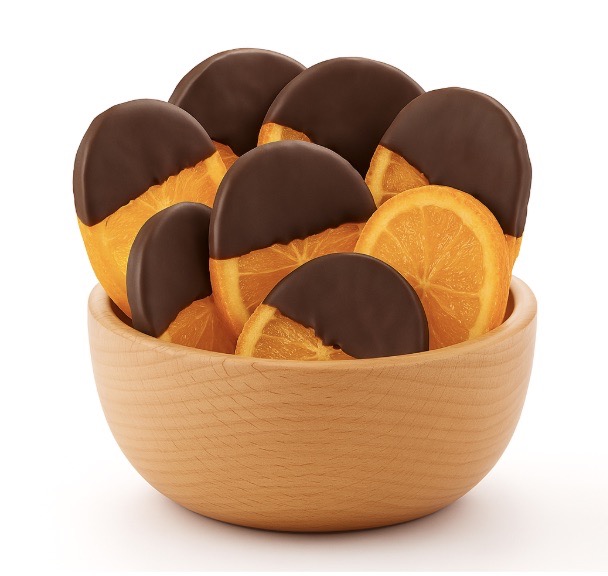
Chocolate-dipped dried fruit occupies the premium end of the category retail prices 2-3 times higher than plain dried fruit equivalents, with gift and seasonal gifting occasions driving significant volume. Dark chocolate over dried mango, milk chocolate over dried pineapple, and dark chocolate over dried orange are the most established combinations. These products bridge the confectionery and health food categories, appealing to consumers who want a genuinely indulgent product that still feels more nutritious than straight confectionery.
Dried Fruit Bar Types
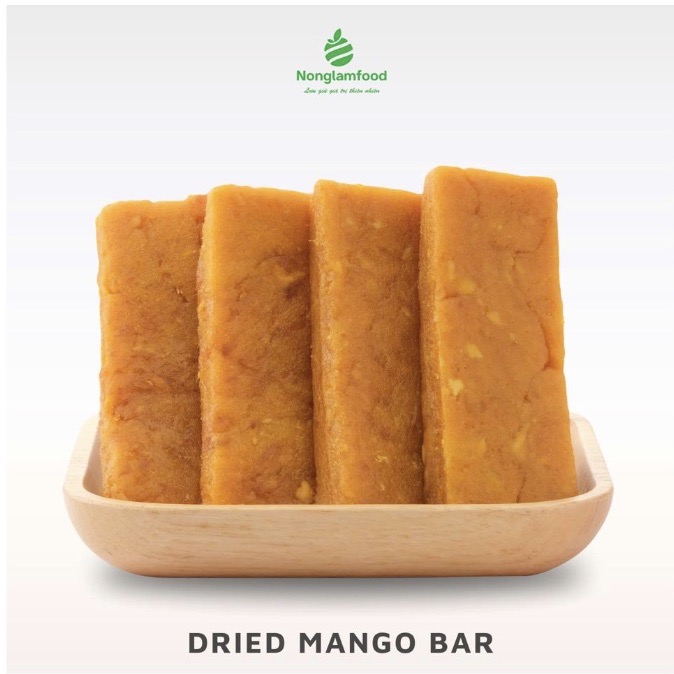
Dried fruit bars compressed and formed portions of blended dried fruit are a convenience format with strong on-the-go snacking appeal. Mango bars, passion fruit bars, papaya bars, jackfruit bars, pineapple bars, and dragon fruit bars all address the practical need for portion control and packaging convenience. They represent a different type of dry fruit product specifically designed for consumers who want the benefits of dried fruit in a format that is easier to eat without mess or stickiness.
Building a Retail Portfolio Using Different Types of Dry Fruits
A well structured retail dry fruit range uses the different types of dry fruits strategically not simply stocking what is available, but building a range that covers different consumer needs, price points, and consumption occasions.
The 80/20 rule applies clearly in dried fruit retail: approximately 80% of your range revenue will come from 20% of your SKUs typically familiar types (raisins, dried mango) in accessible formats at mainstream price points. The remaining 20% of revenue comes from premium and specialty types that provide margin, differentiation, and the impression of expertise that drives category authority.
For a retailer building a tropical dry fruit range from a Vietnamese OEM supplier, the most effective starting portfolio combines three to four high volume familiar types (dried mango slices, dried pineapple, dried papaya), two to three value-added formats (lime-coated dried mango, a chocolate-dipped option, a fruit bar), and one to two specialty types (dried dragon fruit, dried passion fruit) that provide differentiation and trial-driving novelty.
Certifications are the key that opens retail distribution doors. Organic certification (USDA NOP, EU Organic), no added sugar claim compliance, Halal certification (for Middle Eastern markets), and clean label (no artificial additives) are the requirements that gate access to the most valuable retail channels in each target market. Confirm that any OEM supplier can support the certifications your target market requires before finalising product development.
Conclusion: The Expanding World of Different Types of Dry Fruits
The different types of dry fruits available to global retailers today represent a category that has genuinely expanded in both depth and commercial sophistication over the past decade. The emergence of premium tropical varieties particularly Vietnamese dried mango, dragon fruit, passion fruit, and their value-added derivatives has created a quality tier that did not exist in most retail markets even five years ago.
For retailers and distributors who invest in understanding the category architecture the origin, processing, sugar, and format dimensions that define each product's positioning the dried fruit category offers strong margin potential, a growing health-conscious consumer base, and the kind of genuine product differentiation that builds long-term brand equity.
Request Nong Lam Food's full product catalog at vietnamdriedfruits.vn - covering the complete range of tropical dried fruit types, value added formats, and OEM private label options for retail and distribution partners.
Related information
- Antioxidant Fruit List: The Best Fruits for Fighting Oxidative Stress
- How Do You Dry Limes for Flavored Coatings? A Technical Overview
- How Are Dried Fruits Made? From Farm to Advanced Heat Pump Drying
- How to Make Dried Pineapple: Preserving Color, Texture & Natural Flavor
- How to Freeze Dry Fruit Without a Freeze Dryer: Home Methods vs. Commercial Reality
- Benefits to Eating Coconut: Nutrition Facts and What the Science Actually Says
PRODUCT CATEGORIES
NEWS

Partner with us to provide and elevate healthier food options while supporting sustainable agriculture with a passion to serve and a commitment to innovation. Together, we can improve the lives of disadvantaged farmers and generate a positive impact!

