




Dedicated Manufacturer and Exporter of Premium Dried Fruits, Natural Fruit Bars, and Flavored & Coated Nuts
- Home
- /
- Knowledge Hub
- /
- How Do You Dry Limes for Flavored Coatings? A Technical Overview
How Do You Dry Limes for Flavored Coatings? A Technical Overview
How do you dry limes? The answer depends entirely on what you intend to do with the result. Drying limes for decorative slices, for aromatic zest seasoning, and for the concentrated lime juice powder used in flavoured dried fruit coatings are three distinct processes with different techniques, equipment requirements, and quality targets. This guide covers all three from home kitchen methods to industrial applications and explains how dried lime has become one of the most commercially interesting flavour ingredients in the premium dried fruit category.
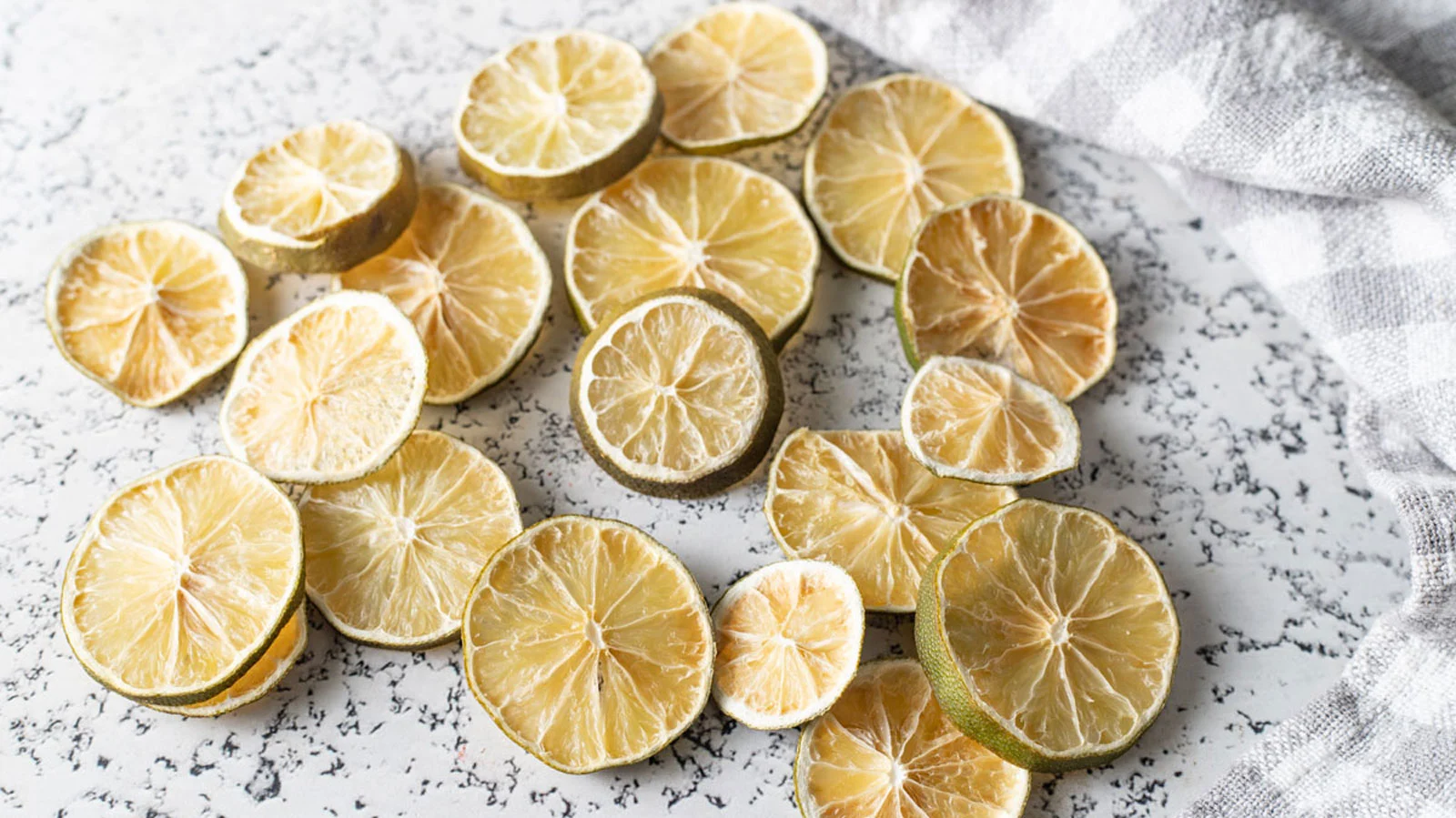
Why Dry Limes? Four Distinct Applications in Food Production
- Decorative dried lime slices: Visually striking cross-section rounds used as cocktail and mocktail garnishes, gift packaging decoration, and presentation elements in premium assorted dried fruit boxes. The dried form has 12-18 months shelf life compared to 1-2 weeks for fresh slices.
- Dried lime zest as a seasoning: Concentrated aromatic zest used as a flavouring agent in baked goods, spice rubs, tea blends, and confectionery. Dried zest has 6-12 months shelf life at room temperature in an airtight container.
- Lime coating for dried fruits: The most commercially significant application lime juice concentrate or spray-dried lime powder applied to the surface of dried mango, pineapple, and papaya to create flavoured coated dried fruit products. This is the application that has driven the most innovation in Vietnamese dried fruit production.
- Culinary and functional food ingredient: Dried lime slices and powder are used in Persian and Middle Eastern cuisine (dried black lime loomi is a staple ingredient), in functional beverage formulations, and as a Vitamin C-adjacent flavouring in health food applications.
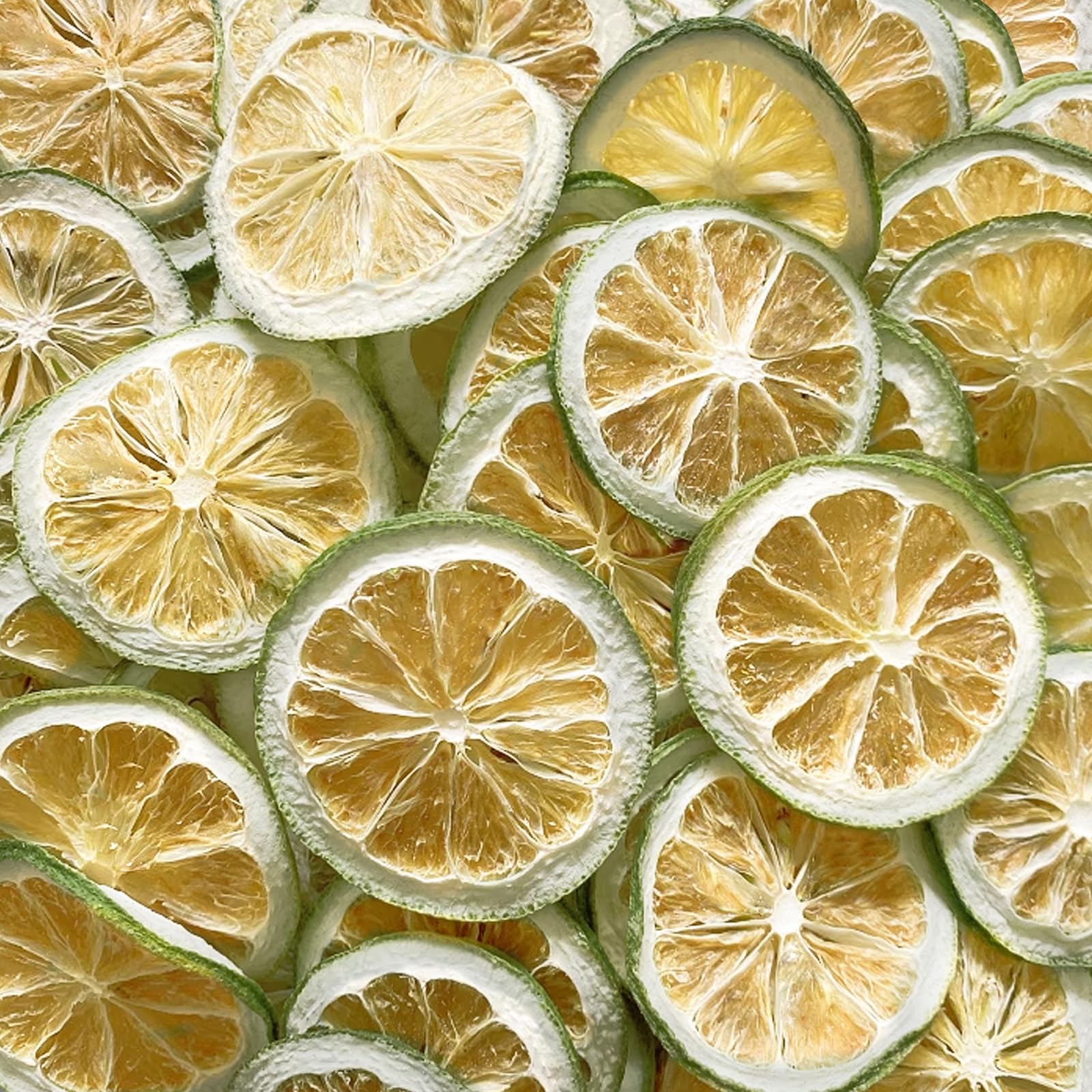
How Do You Dry Limes for Decorative Slices? Step by Step Method
Decorative dried lime slices are one of the most visually rewarding results of learning how do you dry limes at home. When done correctly, they retain a translucent, jewel-like appearance and an intensely aromatic fragrance that makes them genuinely beautiful as well as functional.
- Lime selection: Thin-skinned varieties with high juice content produce the most visually appealing dried slices. Key limes or Persian limes work well. Choose firm, unblemished fruit without soft spots.
- Slicing: 4-5mm cross-section rounds using a very sharp knife or mandoline. Consistency is important thicker slices take significantly longer to dry and produce uneven results within the same batch. Removing seeds before drying improves the visual result.
- Pre-treatment option: A brief blanching of 20-30 seconds in boiling water followed by cold water plunge reduces the bitterness of the white pith during drying. This step is optional some applications benefit from the bitter edge that pith contributes to the flavour profile.
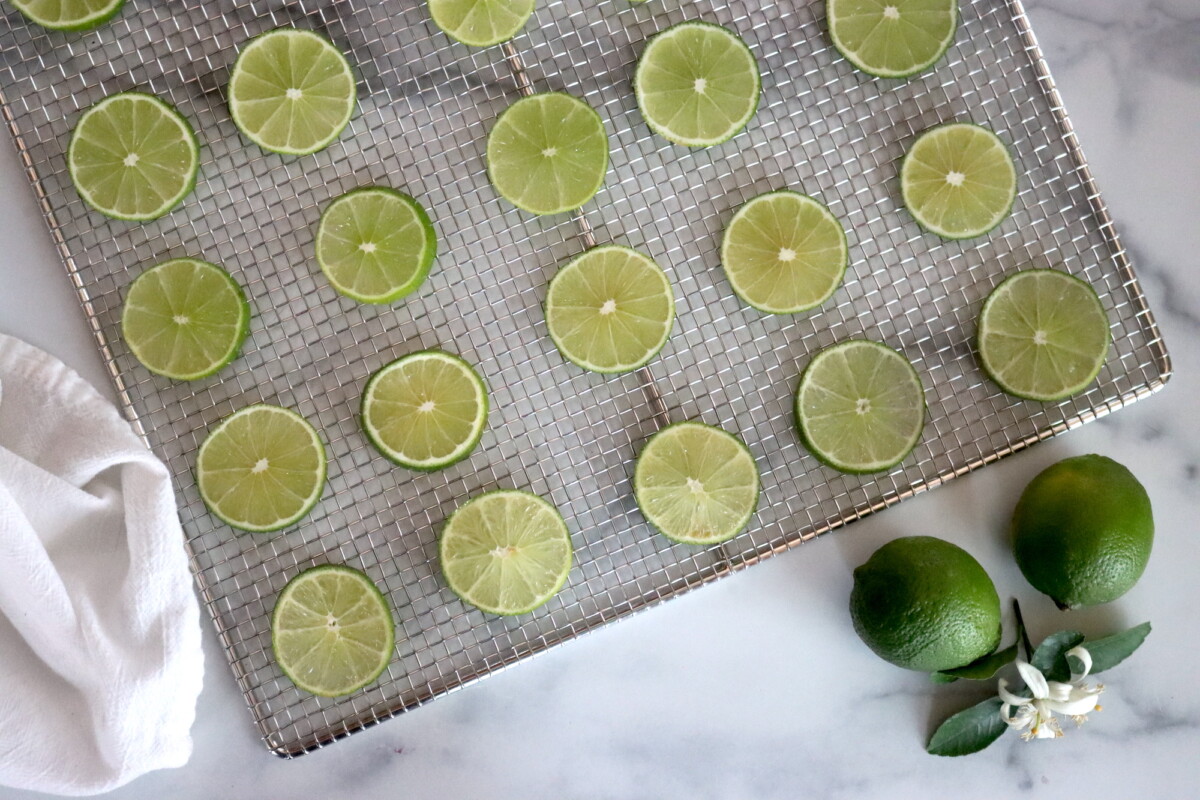
- Oven drying: 55-65 degrees C fan-assisted, 6-12 hours. Position slices vertically on wire racks if possible this allows airflow around both faces simultaneously and prevents the flat-sided drying pattern that creates texture differences between the two faces.
- Dehydrator method: Preferred for maintaining the perfectly round shape of the finished slice. 55 degrees C for 8-12 hours. The circular mesh trays of most dehydrators support round slices better than oven wire racks.
- Colour preservation: The natural green-yellow colour of lime skin fades to a golden-tan during drying this is normal and cannot be entirely prevented without sulphite treatment. The result is beautiful in its own right, with warm tones that complement the green of fresh garnishes in cocktail presentation.
How Do You Dry Limes for Zest? Technique for Aromatic Applications
Dried lime zest captures the aromatic essential oils of the lime skin in a concentrated, shelf-stable form that is more intense than fresh zest and far more convenient to use in production environments.
- Zesting technique: Use a fine microplane grater to remove only the coloured outer layer of the lime skin. The white pith below is intensely bitter any pith in the zest will make the dried product unpleasantly astringent. Zest only to the depth of the colour.
- Drying the zest: Spread freshly grated zest in a thin, even layer on a sheet of baking parchment. Place in a preheated oven at 45-55 degrees C (fan-assisted) or a food dehydrator at 45 degrees C. Zest dries very quickly typically 1-3 hours due to its small particle size and high surface area relative to its volume.
- Checking doneness: Dried zest should crumble easily between your fingers with no remaining moisture. It should smell intensely of lime essential oils the drying process concentrates, rather than diminishes, the aromatic compounds.
- Storage: Airtight glass jar away from light and heat. Well-dried lime zest retains full aromatic potency for 6-12 months.
How Do They Dry Limes Industrially? Spray Dried Lime Powder
For how do you dry limes at commercial scale producing the concentrated lime juice powder used in dried fruit coatings the answer is spray drying: a continuous process that converts liquid lime juice into a stable dry powder in seconds. Lime juice is first concentrated by evaporation to remove most of its water content, then atomised through a nozzle into a heated chamber where the fine droplets instantly dry to powder as they fall through the hot air stream. The entire process takes less than 30 seconds from liquid to powder. A carrier agent typically maltodextrin derived from tapioca starch is added to the juice before spray drying to improve the powder's flowability, prevent caking, and moderate its hygroscopicity (its tendency to absorb moisture from the air).
The resulting spray-dried lime powder retains 85-95% of the original citric acid content of fresh lime juice, along with concentrated volatile aromatic compounds and a residual Vitamin C content. It dissolves rapidly and completely in water and in sugar solutions making it the ideal flavouring agent for liquid coating applications in dried fruit processing.
How Dried Lime Enables Flavoured Coatings on Premium Dried Fruit
The 'dried fruits with flavoured coatings' product category where a dried fruit piece is coated in a flavoured outer layer represents one of the most commercially innovative segments of the Vietnamese dried fruit industry. Lime coating on dried mango is the most established and commercially proven example.
The coating process applies a solution of lime juice concentrate (or reconstituted spray-dried lime powder) mixed with a small quantity of sugar and citric acid to the surface of finished dried mango slices. The coated slices are then briefly returned to the dryer to set the coating and achieve the right surface texture lightly crispy on the outside, soft and chewy in the mango interior.
The flavour effect is immediate and distinctive: the lime acidity brightens and amplifies the natural mango sweetness, creating a sweet-tart combination that is significantly more complex and interesting than plain dried mango. The aromatic volatile compounds from the lime coating add a citrus fragrance dimension that the dried mango alone does not provide. The result is a product that tastes genuinely more sophisticated than its simple ingredient list suggests.
Nong Lam Food applies this lime-coating approach to dried mango slices, dried pineapple, and dried papaya creating a range of flavoured-coated dried fruits that uses Vietnamese lime production alongside the company's tropical fruit processing expertise. The same principle extends to ginger coating (ginger extract applied to dried pineapple), passion fruit coating (passion fruit concentrate applied to dried papaya), and other combinations that are developed in collaboration with retail and food service buyers seeking product differentiation.

Conclusion: How Do You Dry Limes From Home Kitchen to Industrial Scale
How do you dry limes? For home use decorative slices at 55-65 degrees C for 6-12 hours in a fan-assisted oven, or aromatic zest at 45-55 degrees C for 1-3 hours. Both produce genuinely useful, high-quality results that far outlast fresh lime and deliver more concentrated flavour in many applications.
At industrial scale, spray-dried lime juice powder enables the consistent, large-volume lime coating applications that have made flavoured-coated dried fruits one of the most commercially interesting innovations in the Vietnamese export dried fruit market. The ability to apply a precise, flavour-consistent lime coating to tens of thousands of dried mango slices per batch and to achieve the same bright, citrus-forward flavour profile across every piece requires production technology that is simply not available at home kitchen scale.
Explore Nong Lam Food's lime-coated and flavoured-coating dried fruit range at vietnamdriedfruits.vn including lime coated dried mango, ginger coated pineapple, and passion fruit coated papaya. Request samples for evaluation.
Related information
- How Are Dried Fruits Made? From Farm to Advanced Heat Pump Drying
- Best Jackfruit Varieties: Nutrition, Flavour, and What Makes Each One Special
- Popular Dried Fruits from Vietnam: What Global Buyers Are Ordering and Why
- Choosing a Reliable Dry Fruit Company for OEM and Bulk Supply
- How Do You Dehydrate Fruit Without a Dehydrator? DIY vs. Export Grade
- Vietnam Durian Seasons Explained: When to Source the Best Quality
PRODUCT CATEGORIES
NEWS

Partner with us to provide and elevate healthier food options while supporting sustainable agriculture with a passion to serve and a commitment to innovation. Together, we can improve the lives of disadvantaged farmers and generate a positive impact!

