




Dedicated Manufacturer and Exporter of Premium Dried Fruits, Natural Fruit Bars, and Flavored & Coated Nuts
- Home
- /
- Knowledge Hub
- /
- Popular Dried Fruits from Vietnam: What Global Buyers Are Ordering and Why
Popular Dried Fruits from Vietnam: What Global Buyers Are Ordering and Why
The most popular dried fruits in the global market are shifting. Traditional raisins, dates, and apricots still anchor mainstream retail shelves, but the fastest-growing segment is driven by tropical varieties and Vietnam has emerged as one of the most important sources of premium popular dried fruits for importers, distributors, health food brands, and gifting specialists worldwide. This guide covers what is driving demand, which Vietnamese dried fruits are gaining the most traction, and what makes them worth sourcing.
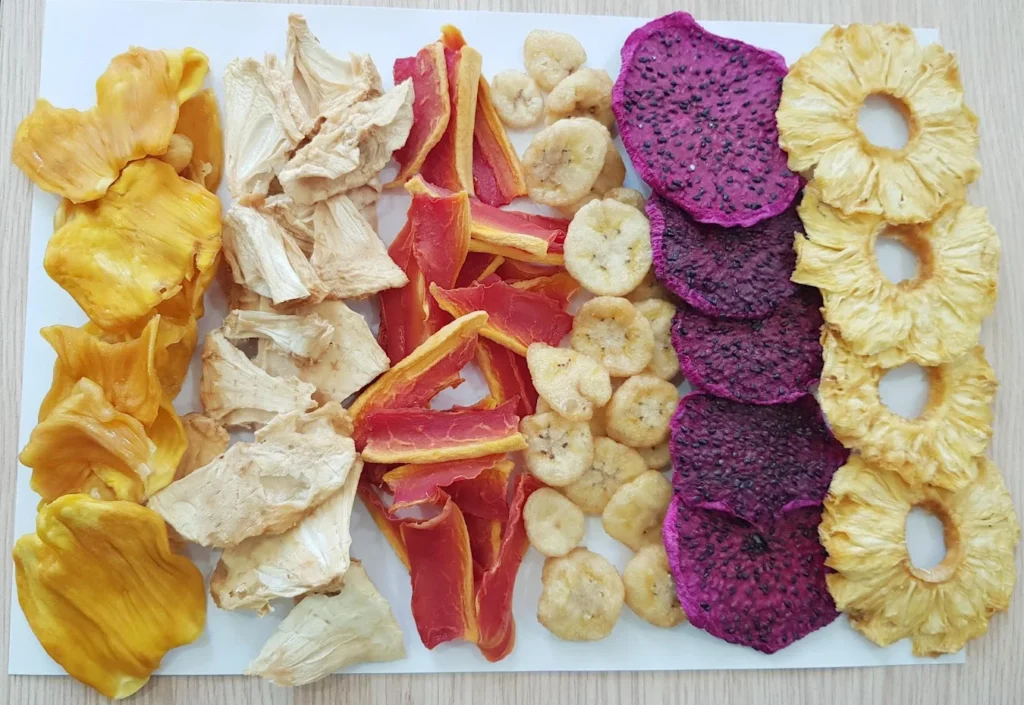
1. Why Vietnamese Popular Dried Fruits Are Gaining Global Market Share
Vietnam's position in the global dried fruit market has strengthened significantly over the past decade, driven by three converging factors: the country's extraordinary tropical fruit diversity, a substantial upgrade in processing technology, and growing international consumer interest in exotic fruit varieties with strong health narratives. The processing technology shift has been particularly impactful. The adoption of heat pump low-temperature drying producing dried fruit with better colour retention, stronger natural aroma, and superior nutrient preservation compared to conventional hot-air alternatives has created a quality tier in Vietnamese popular dried fruits that simply did not exist at scale a decade ago. Buyers in EU health food retail, US natural grocery channels, Korean premium snack distribution, and Middle Eastern gifting markets have noticed the difference.
Market data supports this trajectory: the global dried fruit category has grown at a CAGR of 5-7% over recent years, with the tropical and premium variety sub-segments growing faster than the overall category. Vietnam's export share within the tropical dried fruit segment has expanded correspondingly, with mango, dragon fruit, and passion fruit leading volume growth.
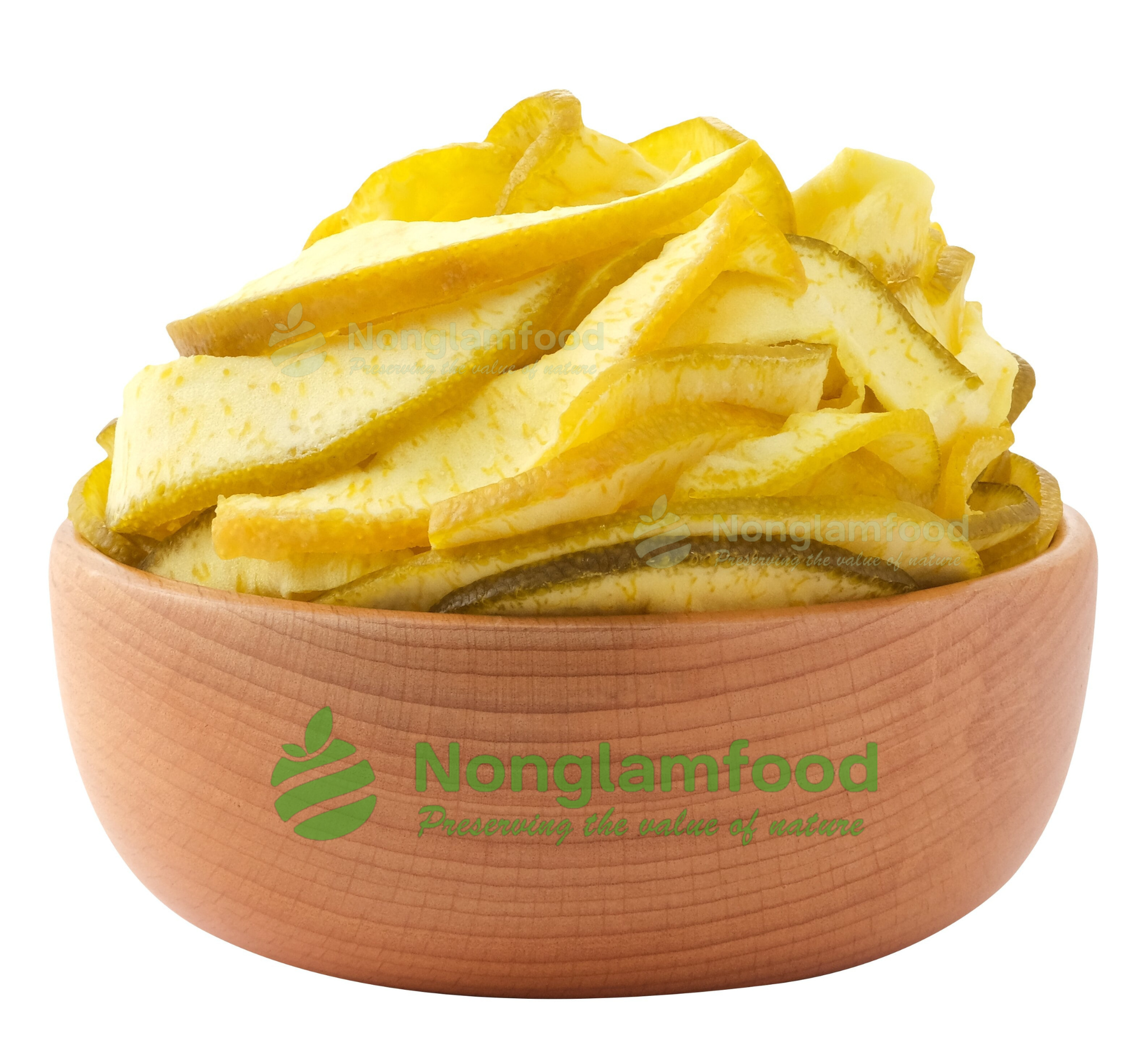
2. The Most Popular Dried Fruits from Vietnam: A Complete Category Overview
a. Dried Mango Vietnam's Most Popular Dried Fruit Export
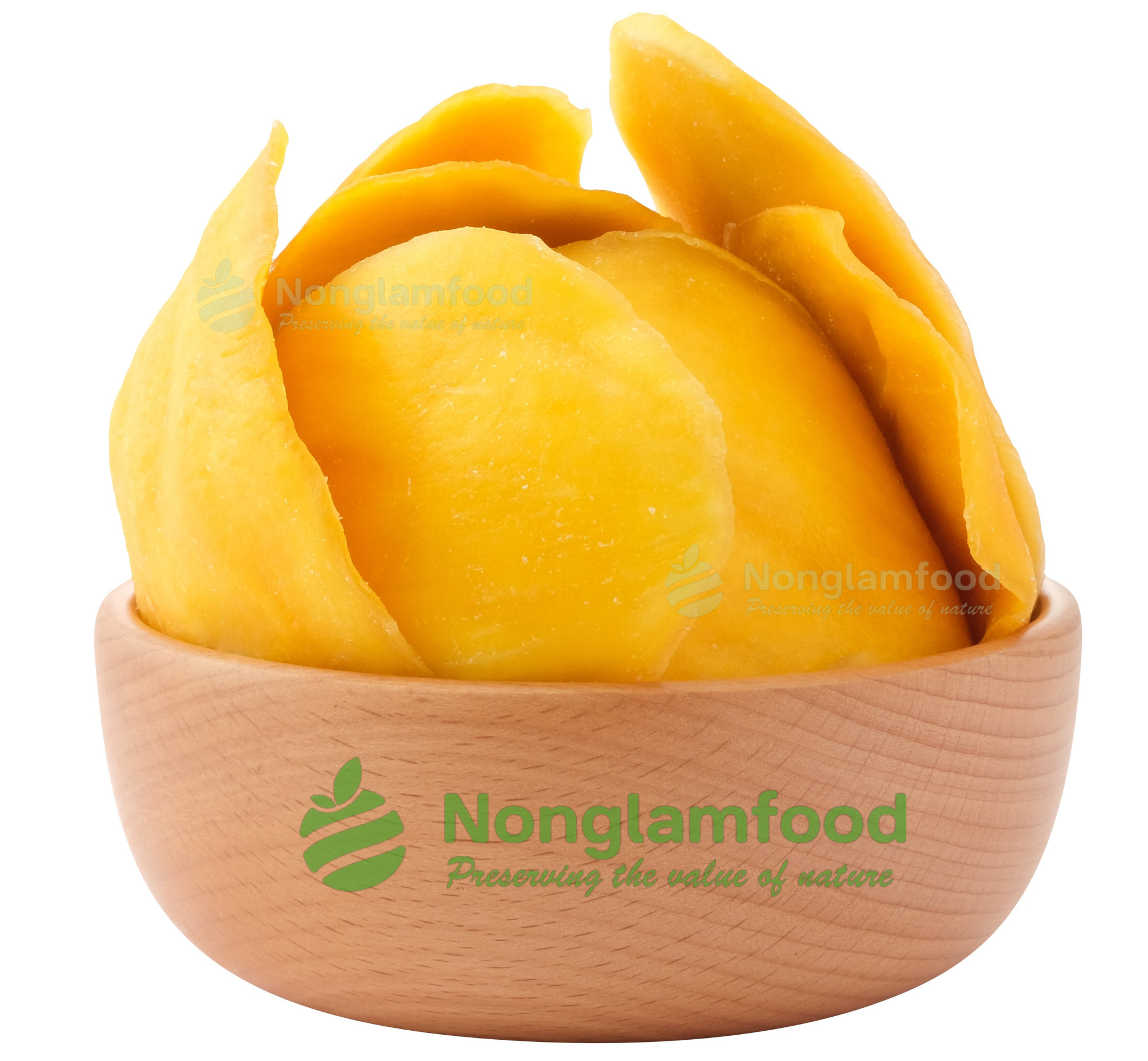
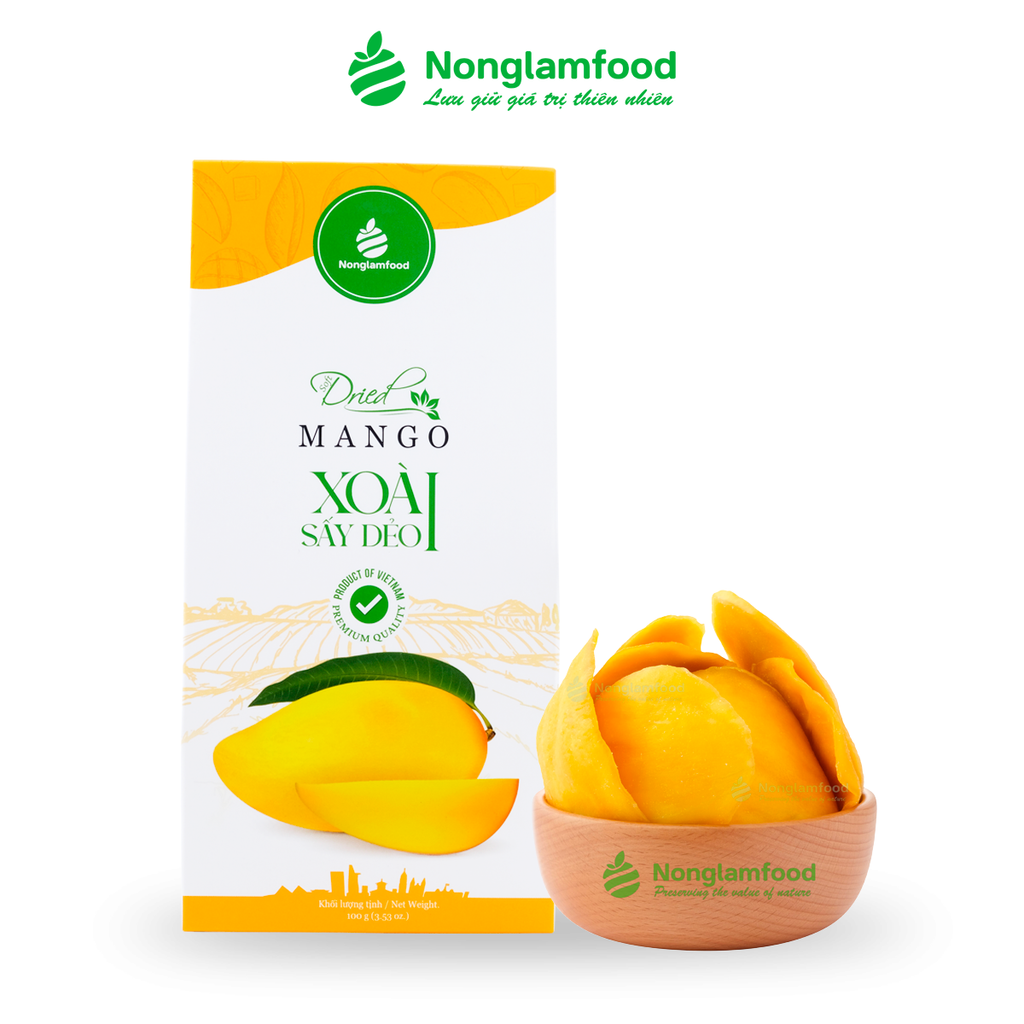
Dried mango leads Vietnamese export volume by a significant margin and is the most globally recognised Vietnamese dried fruit product. The Mekong Delta's mango production particularly Cát Chu and GL3 varieties provides raw material with natural sweetness, good colour, and processing characteristics that suit heat pump drying exceptionally well. The product range within dried mango is broader than most buyers realise: soft-dried slices (the most popular format for health food retail), mango bars (compressed, portion-controlled), lime-coated dried mango (the flavoured-coating growth segment), and chocolate-dipped dried mango (premium gifting). Each format addresses a different consumer occasion and price point within the same raw material category.
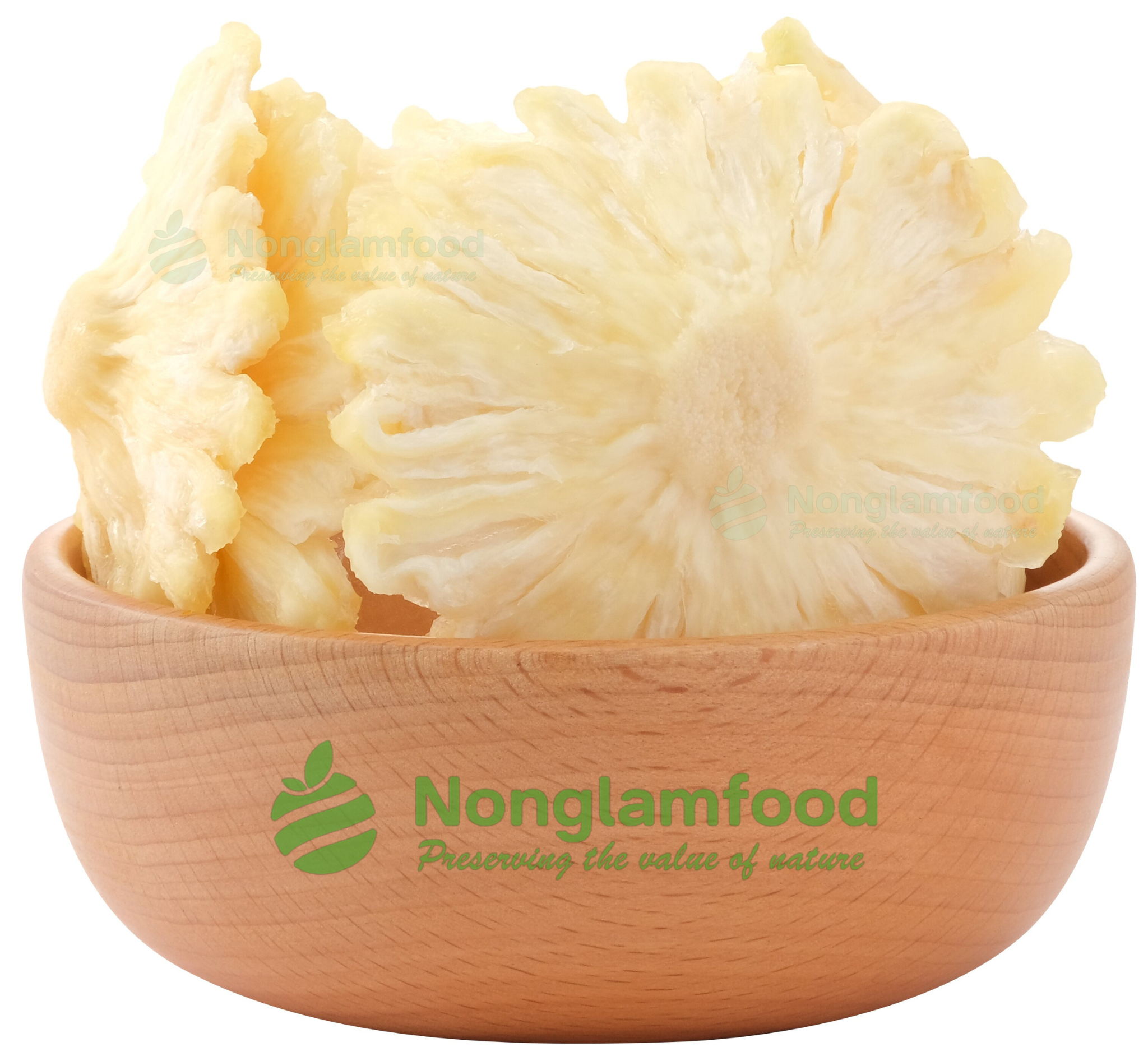
b. Dried Pineapple The Rising Star Among Popular Vietnamese Dried Fruits
Dried pineapple has grown steadily in popularity as a standalone product and as a component in assorted dried fruit mixes. Vietnamese pineapple's naturally high acid content which provides the sweet-tart flavour balance that makes dried pineapple so pleasant gives it a distinct character compared to pineapple from other origins. Strong demand in EU and US health food channels, with growing interest from Korean convenience retail for ginger-coated formats.
c. Dried Dragon Fruit The Differentiation Play in Popular Dried Fruits
Dried dragon fruit occupies a specific niche in the global popular dried fruits landscape: the visually distinctive product that creates instant shelf standout. The vivid pink-red betacyanin pigments of red-fleshed dragon fruit make it immediately recognisable in transparent packaging, and the wellness positioning around betacyanin antioxidants resonates strongly in health food retail across EU, US, and Korean markets. Vietnam is the world's largest dragon fruit producer making supply reliability a genuine competitive advantage.
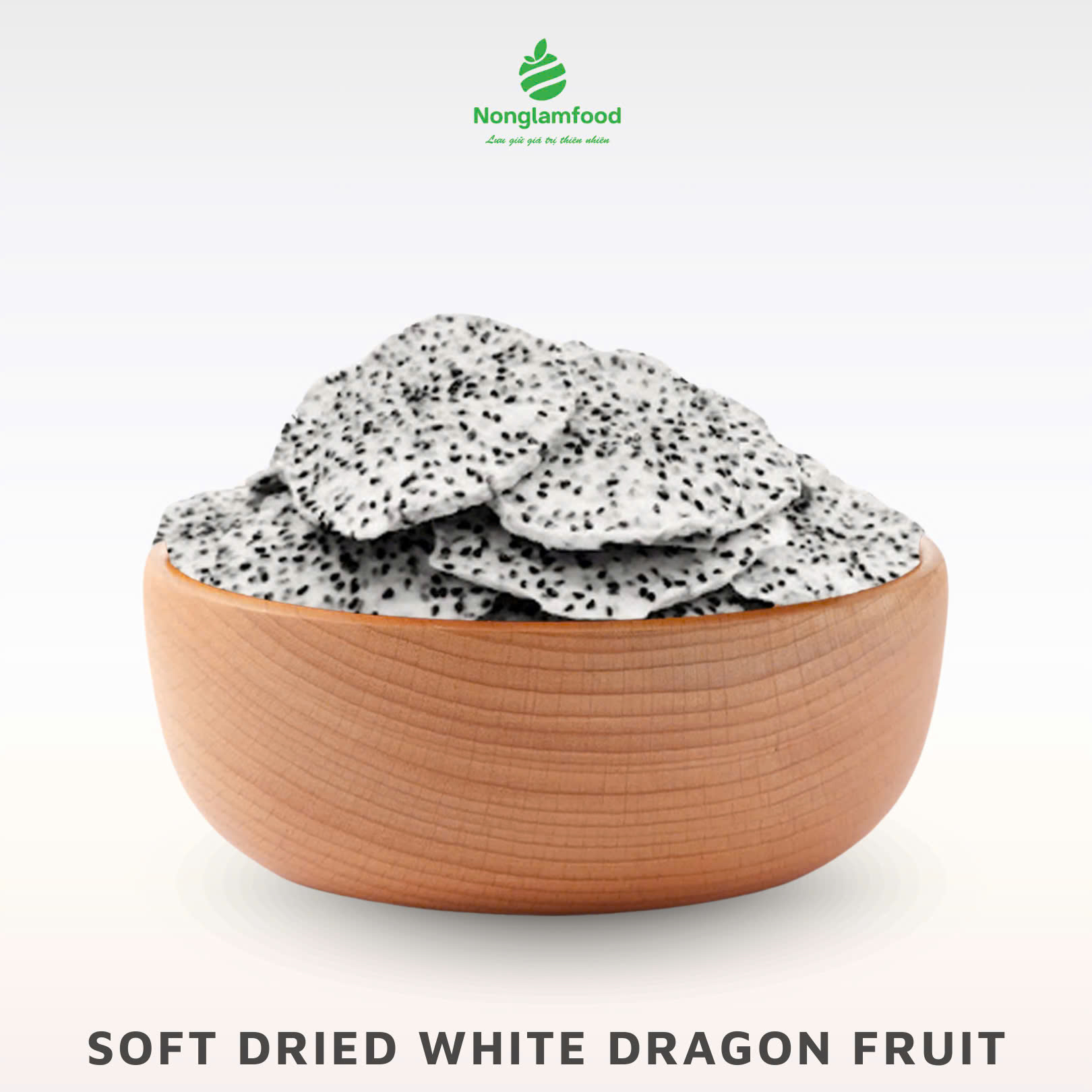
d. Dried Passion Fruit, Papaya, Soursop, Guava, Jackfruit, Aloe Vera
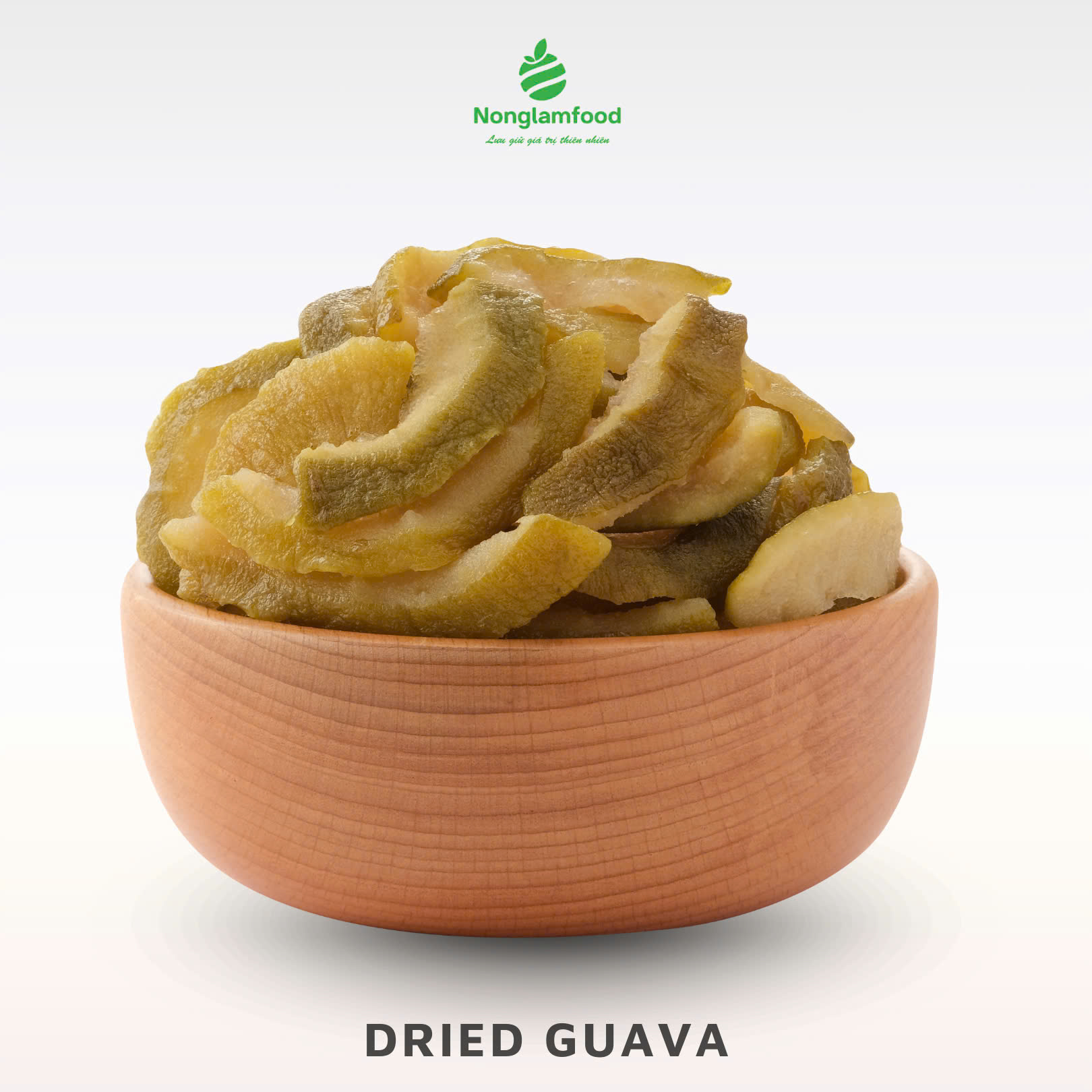
These varieties collectively represent the portfolio depth that distinguishes a serious Vietnamese dried fruit producer from a one-product supplier. Each serves a distinct market need: passion fruit for high-fibre health positioning; papaya for gentle tropical sweetness and digestive wellness claims; soursop for its uniquely creamy, low-sugar tropical flavour; guava for exceptional fibre density; jackfruit in multiple formats (soft-dried, chips, bar) for portfolio variety; aloe vera as a functional food ingredient with strong demand in health and beauty-adjacent food markets.
3. Value-Added Popular Dried Fruit Formats from Vietnam
Beyond whole or sliced dried fruit, Vietnam's processing industry has developed a range of value-added formats that deliver higher margin and address specific consumer occasions:
- Flavoured-coated dried fruits: Lime-coated dried mango, ginger-coated dried pineapple, passion fruit-coated dried papaya among the most commercially dynamic formats in Vietnamese dried fruit export. The flavour coating adds complexity that makes these products genuinely more interesting than plain dried fruit while maintaining a clean, natural ingredient profile.
- Chocolate-dipped dried fruits: Dark or milk chocolate over dried mango, pineapple, or dragon fruit a premium gifting format that commands 2-3x the retail price of plain dried fruit equivalents.
- Dried fruit bars: Compressed, portion-controlled bars in mango, jackfruit, passion fruit, and papaya formats addressing the on the go snacking occasion with a cleaner ingredient profile than most conventional energy bars.
- Coconut chips: Thinly sliced, lightly toasted coconut a natural, minimally processed snack with a distinctive crispy texture and nutty sweetness that sits alongside dried tropical fruits in the same health food and specialty channels.
4. What Makes Vietnamese Popular Dried Fruits Different: Production Quality
The quality differentiation in Vietnamese popular dried fruits at the premium tier is primarily about drying technology and raw material philosophy. Heat pump two stage drying Stage 1 at 60–65°C for free water removal, Stage 2 at 25-30°C via heat pump condensation for bound water removal produces dried fruit with natural colour vibrancy, strong aroma, and better nutrient retention than the conventional hot-air alternatives that dominate commodity production.
The limited sugar philosophy that quality-focused Vietnamese producers apply using sugar only in the quantities needed for good texture, not to compensate for poor raw material or aggressive drying produces products that taste of fruit rather than syrup. Certification infrastructure (HACCP, ISO 22000, BRC, FDA registration) enables market access across the most demanding retail channels globally.
Nong Lam Food operates across OEM private label production, bulk supply, and branded retail distribution offering import and distribution partners flexibility to enter the Vietnamese popular dried fruits category at the appropriate supply model for their market position.
5. How to Source Popular Dried Fruits from Vietnam: Practical Guidance
- Seasonal planning: Align purchase commitments with Vietnam's harvest calendar mango March-June, dragon fruit July-September, passion fruit July-September. Processing capacity at quality facilities books 2-3 months ahead of peak season.
- Quality benchmarks: Request product specifications covering colour (visual grade), moisture content (%), water activity (Aw), added sugar per 100g, and microbiological results before committing to first commercial order.
- Supply models: OEM private label (your brand, the manufacturer's product) reduces market entry cost. Bulk supply suits distributors with their own repackaging capability. Branded retail distribution suits import partners who want a ready to sell range.
- Start with samples: Request samples with full technical data sheets. Compare colour, aroma, texture, and sugar level against your target specification before negotiating commercial terms.
6. Conclusion
Vietnam's position in the global popular dried fruits market is growing, quality-focused, and increasingly indispensable for buyers who want tropical variety, reliable supply, and the processing quality to compete in premium retail channels. The combination of exceptional raw material diversity, advancing production technology, and competitive economics makes Vietnamese dried fruit a category worth building into any serious healthy snack product portfolio.
Explore Nong Lam Food's full range of popular dried fruits from Vietnam at vietnamdriedfruits.vn, request our product catalog and samples for your target market.
Related information
- Best Jackfruit Varieties: Nutrition, Flavour, and What Makes Each One Special
- Antioxidant Fruit List: The Best Fruits for Fighting Oxidative Stress
- Vietnam Durian Seasons Explained: When to Source the Best Quality
- How Do You Dehydrate Fruit Without a Dehydrator? DIY vs. Export Grade
- Best Fruit to Dehydrate in an Air Fryer, and Why Industrial Drying Wins
- Nutrient Rich Dried Fruits: What Science Says About Their Health Benefits
PRODUCT CATEGORIES
NEWS

Partner with us to provide and elevate healthier food options while supporting sustainable agriculture with a passion to serve and a commitment to innovation. Together, we can improve the lives of disadvantaged farmers and generate a positive impact!

