




Dedicated Manufacturer and Exporter of Premium Dried Fruits, Natural Fruit Bars, and Flavored & Coated Nuts
- Home
- /
- Knowledge Hub
- /
- Dry Fruit Smoothie Recipes and Why Quality Dried Fruit Makes All the Difference
Dry Fruit Smoothie Recipes and Why Quality Dried Fruit Makes All the Difference
A dry fruit smoothie is one of the most convenient, nutritionally satisfying, and naturally sweet drinks you can prepare no fresh fruit needed, no food waste, and a pantry ingredient that is ready whenever you are. Dried tropical fruits blend into smoothies with concentrated tropical flavour that is genuinely difficult to achieve with any other ingredient. The only variable that matters more than the recipe is the quality of the dried fruit you put in the blender.
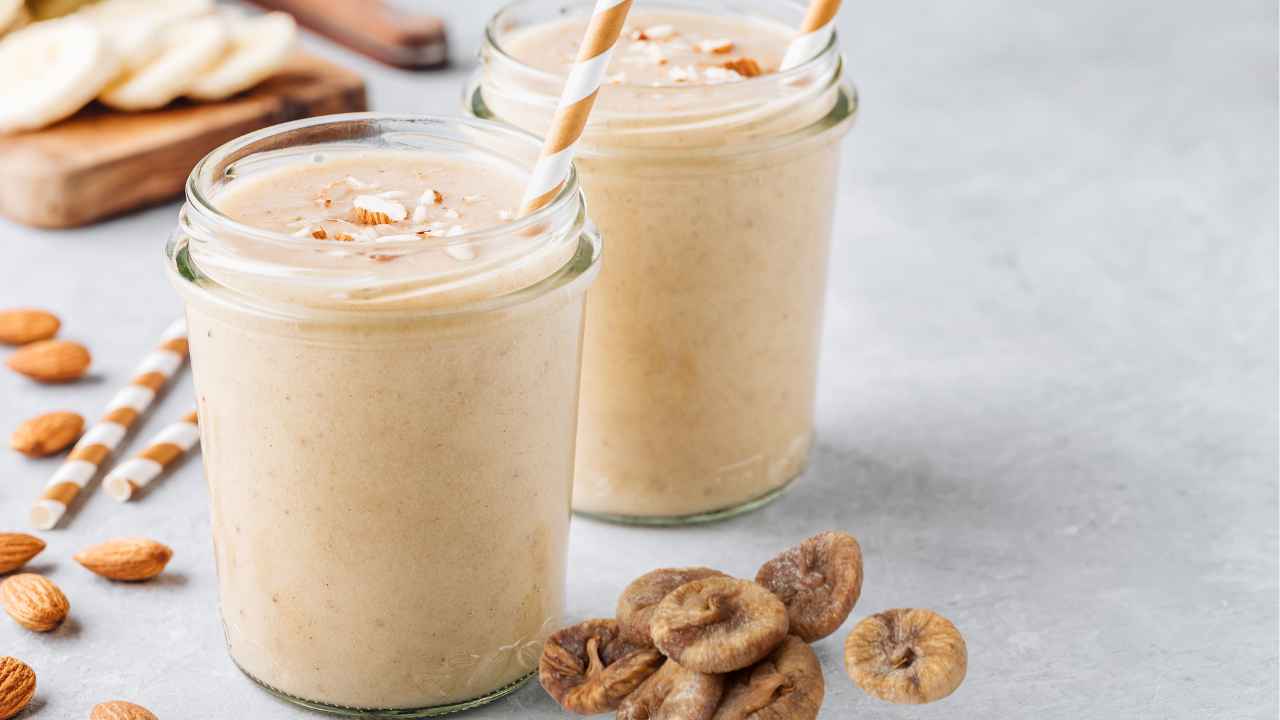
Why Use Dried Fruit in Smoothies? The Real Advantages
There are four practical reasons to keep a selection of dried fruit for smoothie-making alongside fresh fruit in your kitchen:
- Concentrated tropical flavour: Dried mango, pineapple, and passion fruit deliver a flavour intensity that is 4-5 times stronger than fresh equivalents by weight. A 40g serving of dried mango produces a smoothie with deep, full mango character that 40g of fresh mango simply cannot match. This concentration effect is the reason dried fruit smoothies taste so distinctively tropical and satisfying.
- Year-round convenience: Fresh mango is seasonal and perishable. Dried mango sits in your pantry for 12-18 months, ready to become a tropical smoothie any time regardless of season, shopping frequency, or fresh fruit availability in your market.
- No prep waste: No peeling, no chopping, no discarding of core or skin. Dried fruit is ready-to-use straight from the packet, making a quick and mess-free preparation.
- Nutritional density: Dried tropical fruits deliver fibre, antioxidants, potassium, and natural energy in a small volume. A 40g serve of dried mango contributes approximately 2-3g of dietary fibre meaningful nutritional value alongside the flavour contribution.
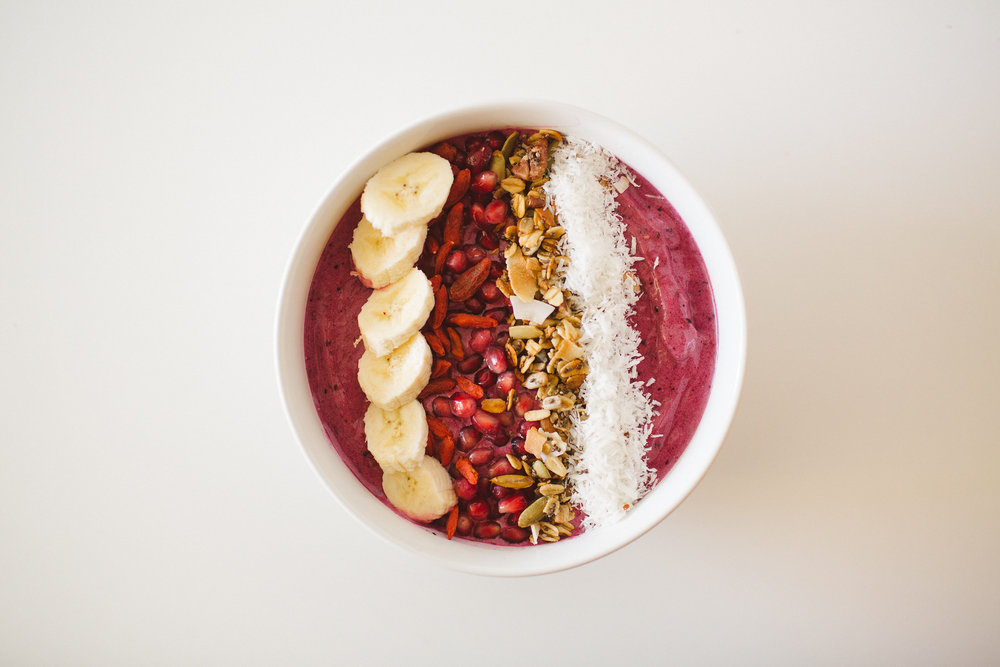
How to Prepare Dried Fruit for the Perfect Dry Fruit Smoothie
Dried fruit can be added to a smoothie in three ways, and the right method depends on your blender's power and how smooth you want the final texture:
- Quick soak (15-30 minutes): Cover dried fruit in warm water and allow to soften before blending. This is the recommended method for most home blenders and produces the smoothest possible texture. The soaking water can be added to the blender for extra flavour it will contain some of the dissolved fruit sugars and water-soluble nutrients.
- Overnight soak: Place dried fruit in water and refrigerate overnight. Best for denser or more fibrous varieties such as dried jackfruit or dried guava. Produces the most thoroughly softened texture and the gentlest blending process.
- Blend directly: Add dried fruit straight to the blender with the liquid base. Works well with high-speed blenders (above 1,000 watts) and with soft-dried varieties such as heat pump dried mango or pineapple. Blend the dried fruit with the liquid for 30 seconds before adding other ingredients to ensure full integration.
The recommended quantity of dried fruit per dry fruit smoothie is 30-50g equivalent to roughly one quarter to one third of a standard 125g serving pouch. This delivers full flavour without excessive caloric density.
5 Dry Fruit Smoothie Recipes Using Vietnamese Tropical Dried Fruits
Recipe 1: Tropical Mango Dry Fruit Smoothie
The classic rich, golden, and intensely tropical. This is the reference-point dry fruit smoothie that demonstrates exactly what concentrated dried mango can do in a blender.
- Ingredients (1 serving): 40g soft-dried mango (soaked 20 minutes), 200ml coconut milk, 1 frozen banana, 1 pinch ground turmeric, a handful of ice.
- Method: Blend soaked mango with coconut milk for 30 seconds until fully smooth. Add frozen banana, turmeric, and ice. Blend for a further 60 seconds until creamy.
- Pro tip: Add 15g of dried passion fruit to the soak for a brighter, more complex tropical flavour. The passion fruit acidity cuts through the richness of the coconut milk beautifully.
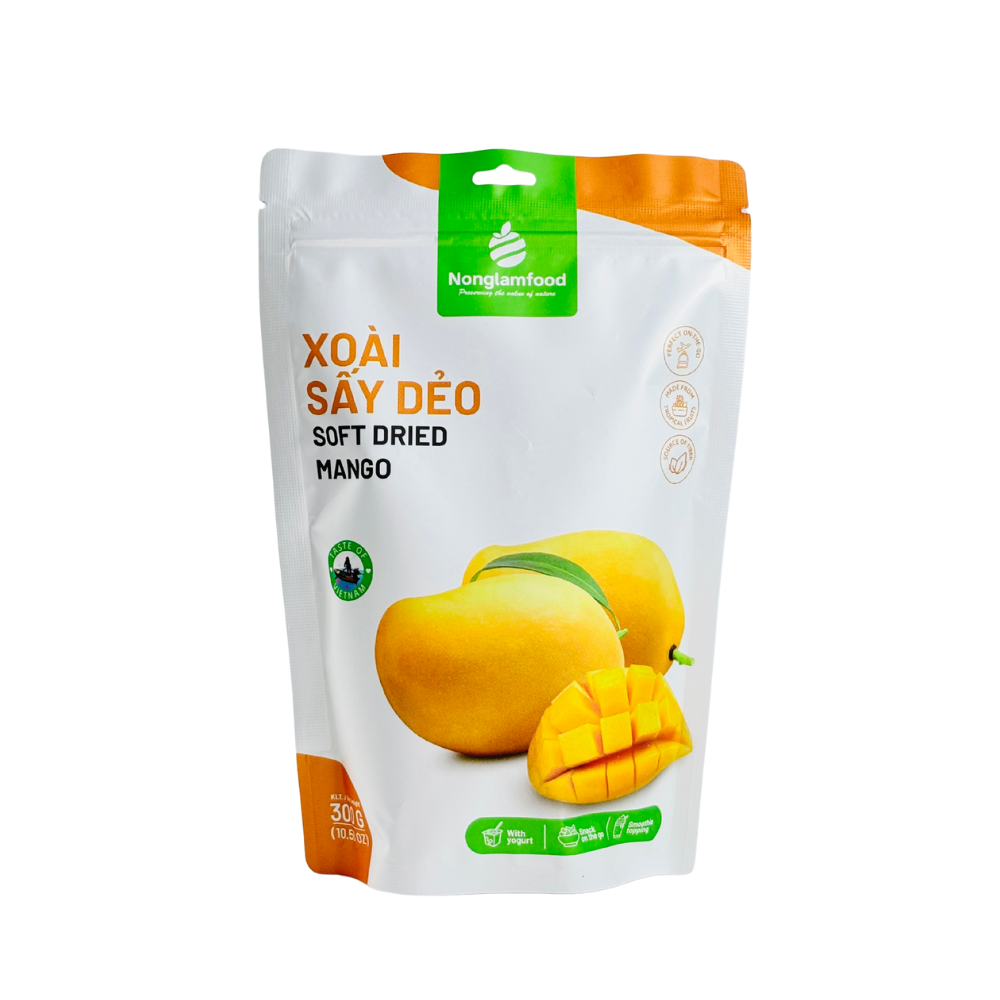
Recipe 2: Pineapple and Ginger Dry Fruit Smoothie
Light, refreshing, and zingy a dry fruit smoothie that works as well for a post-exercise drink as it does as a morning starter. No added sweetener needed.
- Ingredients (1 serving): 35g dried pineapple (soaked 15 minutes), 250ml coconut water, 1 teaspoon freshly grated ginger (or 1/2 teaspoon ground ginger), juice of half a lime, small handful of fresh mint leaves.
- Method: Blend soaked pineapple with coconut water until smooth. Add ginger, lime juice, and mint. Blend briefly 20-30 seconds to maintain some mint texture. Serve immediately over ice.
- Pro tip: Dried pineapple's natural sweetness means no honey or syrup is needed. If using commercially produced dried pineapple with added sugar, reduce the fruit quantity to 25g to avoid over-sweetening.
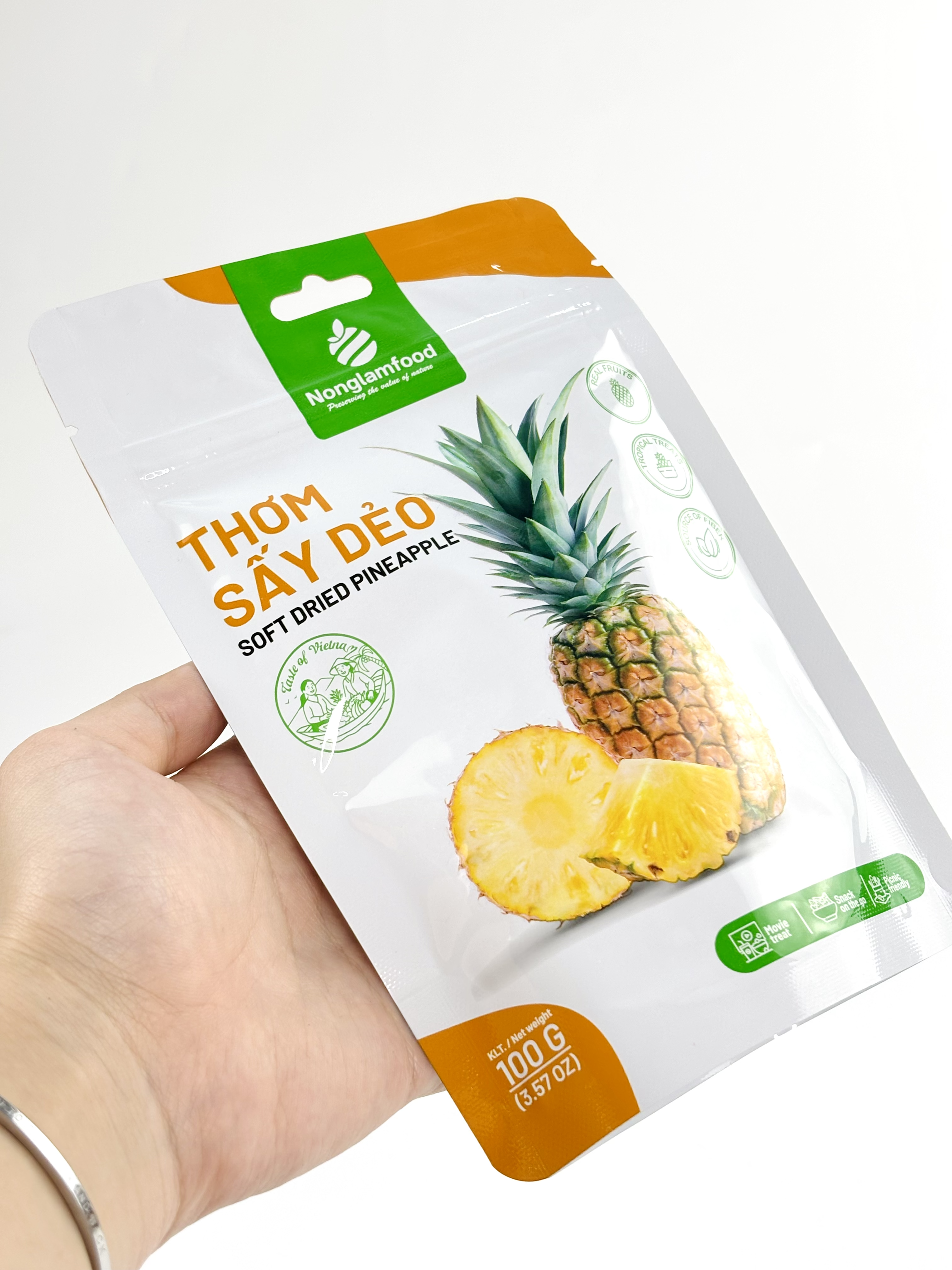
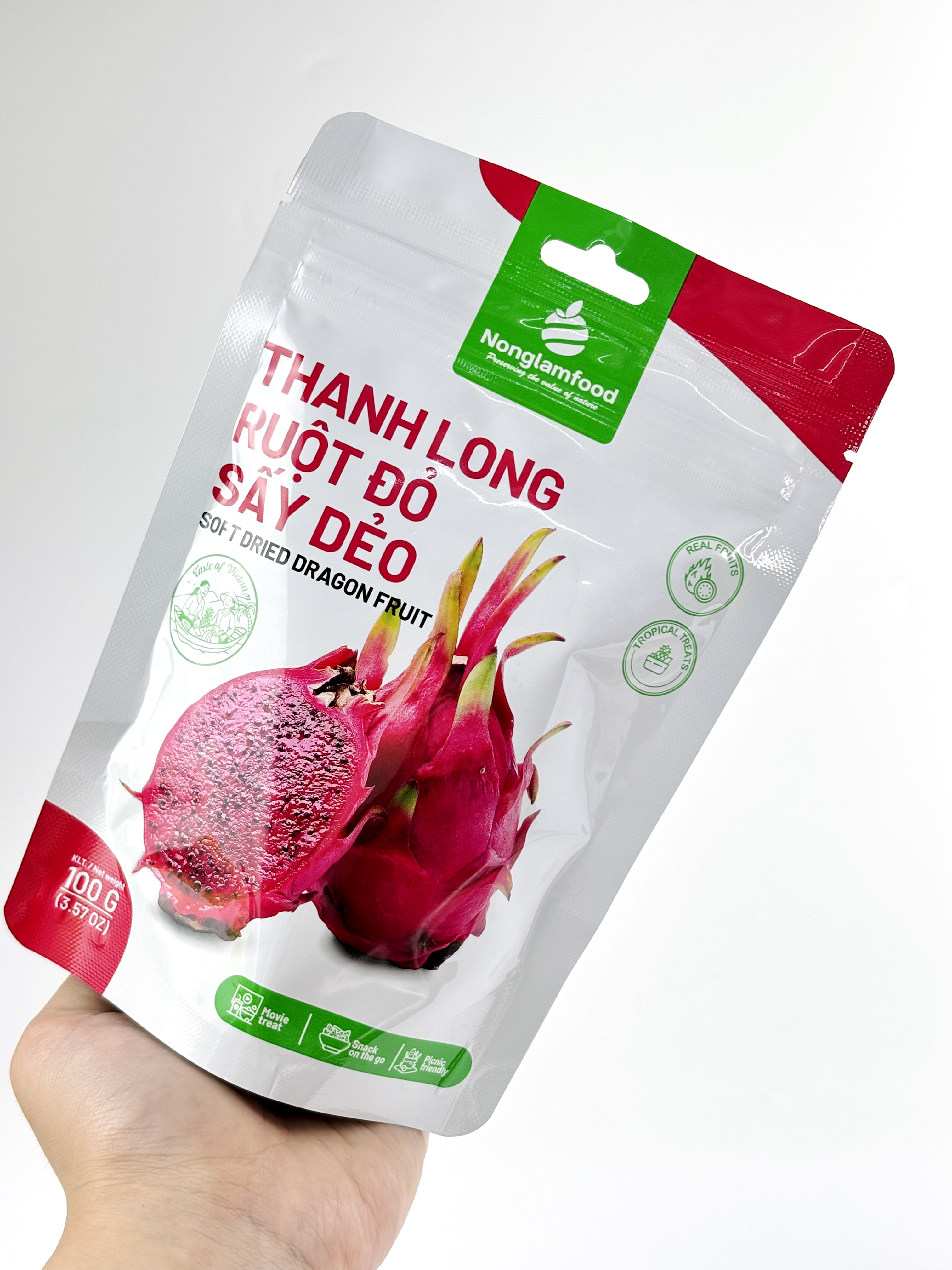
Recipe 3: Dragon Fruit Antioxidant Dry Fruit Smoothie
Visually dramatic and nutritionally distinctive, this dry fruit smoothie is built around the betacyanin-rich pigments of dried dragon fruit antioxidant compounds that give the smoothie its striking deep colour.
- Ingredients (1 serving): 30g dried dragon fruit (soaked 20 minutes), 200ml unsweetened almond milk, 1 frozen banana, 1 tablespoon chia seeds (optional: 1 teaspoon honey).
- Method: Blend soaked dragon fruit with almond milk alone for 45 seconds first dried dragon fruit needs thorough blending to fully integrate. Add banana and chia seeds. Blend for a further 60 seconds. Allow to rest 5 minutes so chia seeds begin to absorb liquid before serving.
- Pro tip: The chia seeds thicken this smoothie into an almost bowl-ready consistency if left for 10 minutes excellent as a smoothie bowl base topped with fresh fruit and granola.
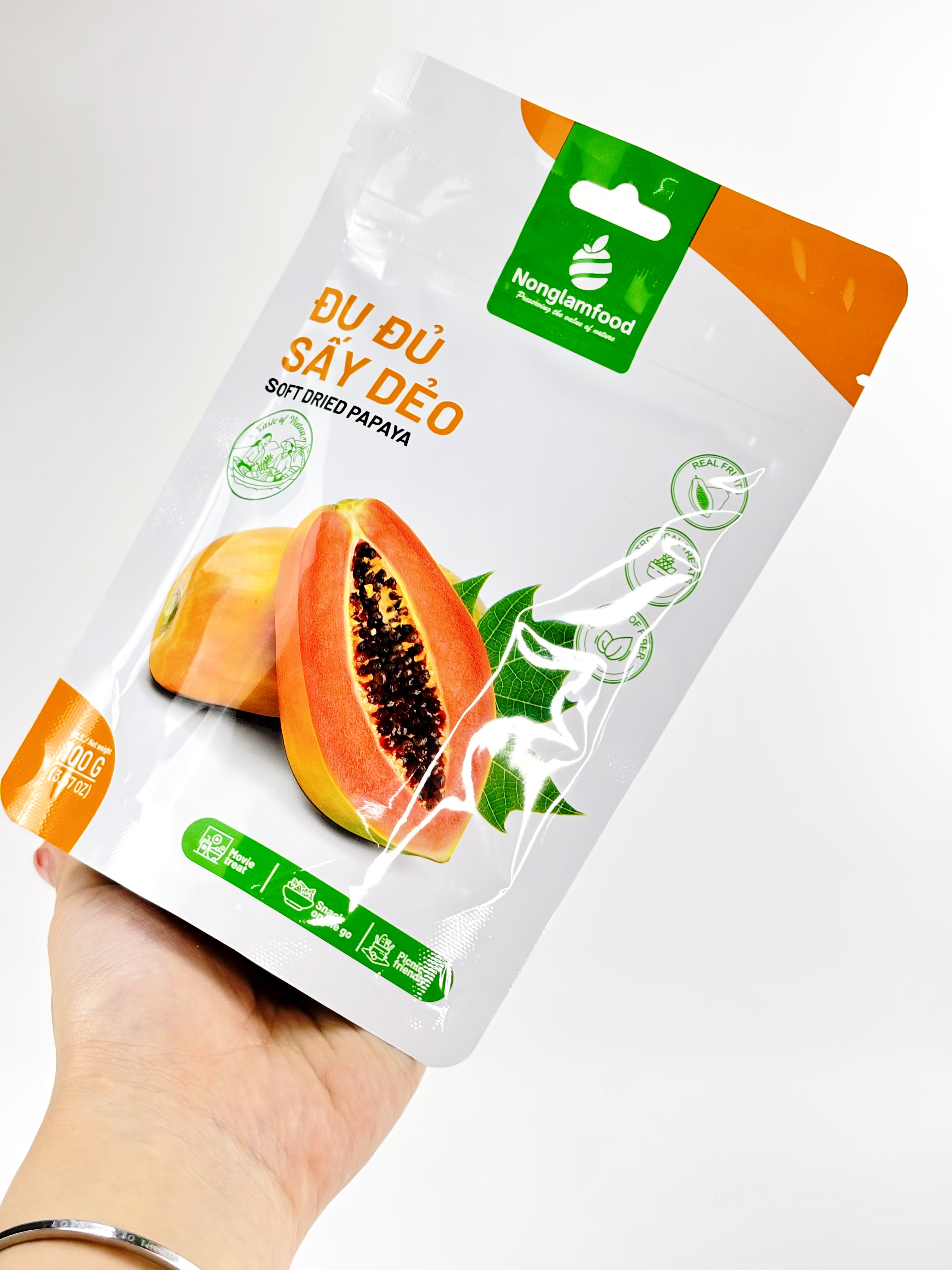
Recipe 4: Papaya Digestive Dry Fruit Smoothie
Gentle, sweet, and gut-friendly this dry fruit smoothie takes advantage of papain, the naturally occurring enzyme in dried papaya that may support digestive comfort.
- Ingredients (1 serving): 40g dried papaya (soaked 20 minutes), 200ml natural full-fat yogurt, juice of quarter lime, 1 teaspoon honey (optional), small pinch of ground cinnamon, ice.
- Method: Blend soaked papaya with yogurt until completely smooth. Add lime juice, honey if using, and cinnamon. Blend for 30 seconds. Serve over ice.
- Pro tip: This smoothie works exceptionally well as a post-meal digestive drink in smaller portions (150ml). The combination of yogurt probiotics and papaya papain creates a genuinely functional drink for gut health.
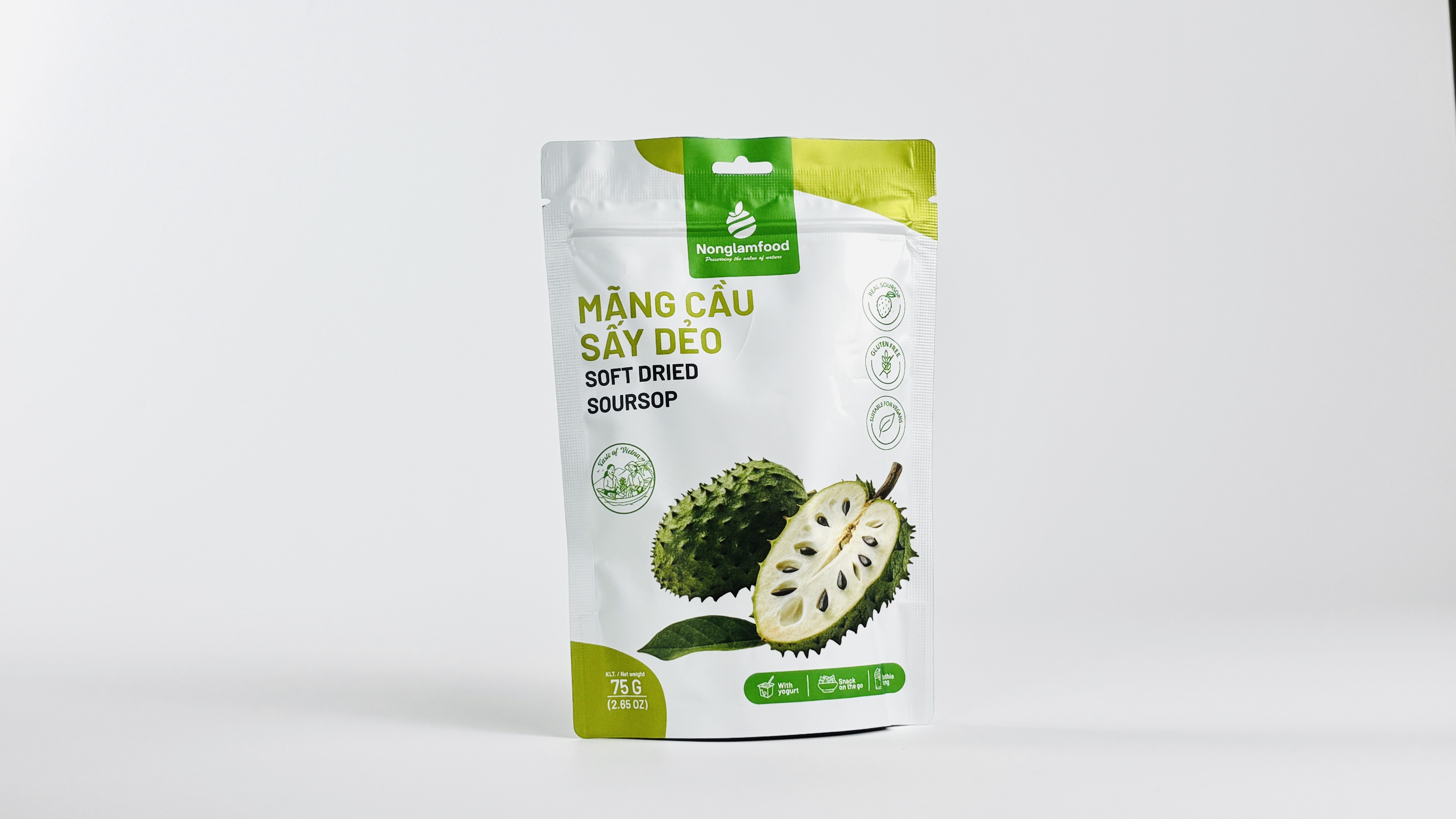
Recipe 5: Soursop and Banana Wellness Dry Fruit Smoothie
Soursop's naturally creamy texture and distinctive tropical sweetness make it the most surprising star of the dry fruit smoothie repertoire intensely flavoured, low in perceived sugar, and completely satisfying.
- Ingredients (1 serving): 35g dried soursop (soaked 25 minutes slightly longer due to density), 1 ripe banana, 200ml oat milk, 1/2 teaspoon vanilla extract, ice.
- Method: Blend soaked soursop with oat milk for 45 seconds soursop fibres need full blending time. Add banana, vanilla, and ice. Blend for a further 60 seconds until smooth and creamy.
- Pro tip: Soursop delivers a natural creaminess that eliminates the need for yogurt or additional fat. The banana provides body and natural sweetness that perfectly complements soursop's unique flavour — no added sweetener needed.
How Dry Fruit Quality Directly Affects Your Smoothie Result
Every recipe in this guide can be made with any dried fruit. But the quality of what you blend determines the quality of what you drink and the differences between product tiers are significant enough to be immediately obvious in the glass.
- Colour: Dull, brown dried fruit produces a dull, grey-brown smoothie. Golden, naturally vibrant dried mango produces a rich amber-gold drink. The colour of your ingredients predicts the colour of your smoothie.
- Added sugar level: High sugar dried fruit (glucose syrup, sucrose added) makes smoothies cloying and one dimensionally sweet. No added sugar or limited sugar dried fruit delivers complex, natural sweetness that allows other flavours to come through.
- Texture: Brittle, over-dried fruit requires longer soaking and produces grainy smoothie texture even in high-powered blenders. Soft dried fruit the result of heat pump drying with controlled moisture targets blends completely smooth in most blenders.
- Aroma: Dried fruit that releases a strong, natural aroma when the packet is opened will produce a smoothie with genuine fragrance and depth. Fruit with little to no aroma a sign of volatile compound loss during high temperature drying produces a flat tasting smoothie regardless of the recipe.
Nutritional Comparison: Dry Fruit Smoothie vs. Fresh Fruit Smoothie
A common question about dry fruit smoothies is whether they are nutritionally comparable to fresh fruit alternatives. The honest answer involves a few important distinctions:
- Caloric density: Dried fruit is 4-5 times more calorie-dense than fresh by weight. A 40g dry fruit smoothie serving is nutritionally equivalent to roughly 170-200g of fresh fruit. Adjust quantities if you are calorie conscious 30g of dried fruit typically produces the same flavour impact as 100-120g of fresh.
- Fibre content: Roughly equivalent on a per serving basis when quantities are adjusted correctly. Both fresh and well processed dried fruit deliver meaningful dietary fibre.
- Vitamin C: Fresh fruit has higher Vitamin C content than dried equivalents. However, dried fruit produced using heat pump low-temperature drying retains significantly more Vitamin C than conventionally dried fruit narrowing the gap considerably compared to mass market dried products.
- Practical convenience: Dried fruit smoothies can be made at any time of day, in any season, without shopping or fresh produce management. For many consumers, this accessibility advantage translates directly into more consistent healthy eating habits.
Conclusion: The Simplest Upgrade to Your Dry Fruit Smoothie Routine
The best dry fruit smoothie starts with the best dried fruit. These five recipes demonstrate the range of what is possible from the deeply tropical mango and pineapple smoothies to the gut friendly papaya blend and the surprising soursop wellness drink but all of them improve in direct proportion to the quality of the dried fruit going into the blender.
Soft-dried, naturally coloured, low sugar tropical dried fruit produced with care to preserve what nature put into the fresh fruit creates smoothies with genuine flavour depth, natural colour vibrancy, and a satisfying nutritional profile. The recipe is important. The ingredient is more important.
Shop Nong Lam Food's smoothie ready dried tropical fruits at vietnamdriedfruits.vn including dried mango, pineapple, passion fruit, papaya, soursop, and dragon fruit. Request samples for recipe testing.
Related information
- How Do They Freeze Dry Fruit and How Does It Compare to Heat Pump Drying?
- Brown Coconut Benefits: Green vs Brown Coconut Nutrition Explained
- Antioxidant Fruit List: The Best Fruits for Fighting Oxidative Stress
- Assorted Dry Fruits: A Strategic Portfolio for Global Healthy Snack Retailers
- Fruits Containing High Fibre: A Complete Guide to the Best Dietary Sources
- Dry Fruits for Weight Loss: Which Ones Work and How to Choose Wisely
PRODUCT CATEGORIES
NEWS

Partner with us to provide and elevate healthier food options while supporting sustainable agriculture with a passion to serve and a commitment to innovation. Together, we can improve the lives of disadvantaged farmers and generate a positive impact!

