




Dedicated Manufacturer and Exporter of Premium Dried Fruits, Natural Fruit Bars, and Flavored & Coated Nuts
- Home
- /
- Knowledge Hub
- /
- Dried Fruit Shelf Life Explained: How Long It Lasts and How to Store It Right
Dried Fruit Shelf Life Explained: How Long It Lasts and How to Store It Right
Dried fruit shelf life is one of the most misunderstood aspects of this food category. Consumers regularly discard perfectly good product based on colour change alone wasting both money and nutritious food. And equally, some genuinely spoiled product goes undetected because the real spoilage indicators are less obvious than most people assume. This guide covers the food science, the practical storage methods, and the question everyone eventually asks: does dark colour mean it has gone bad?
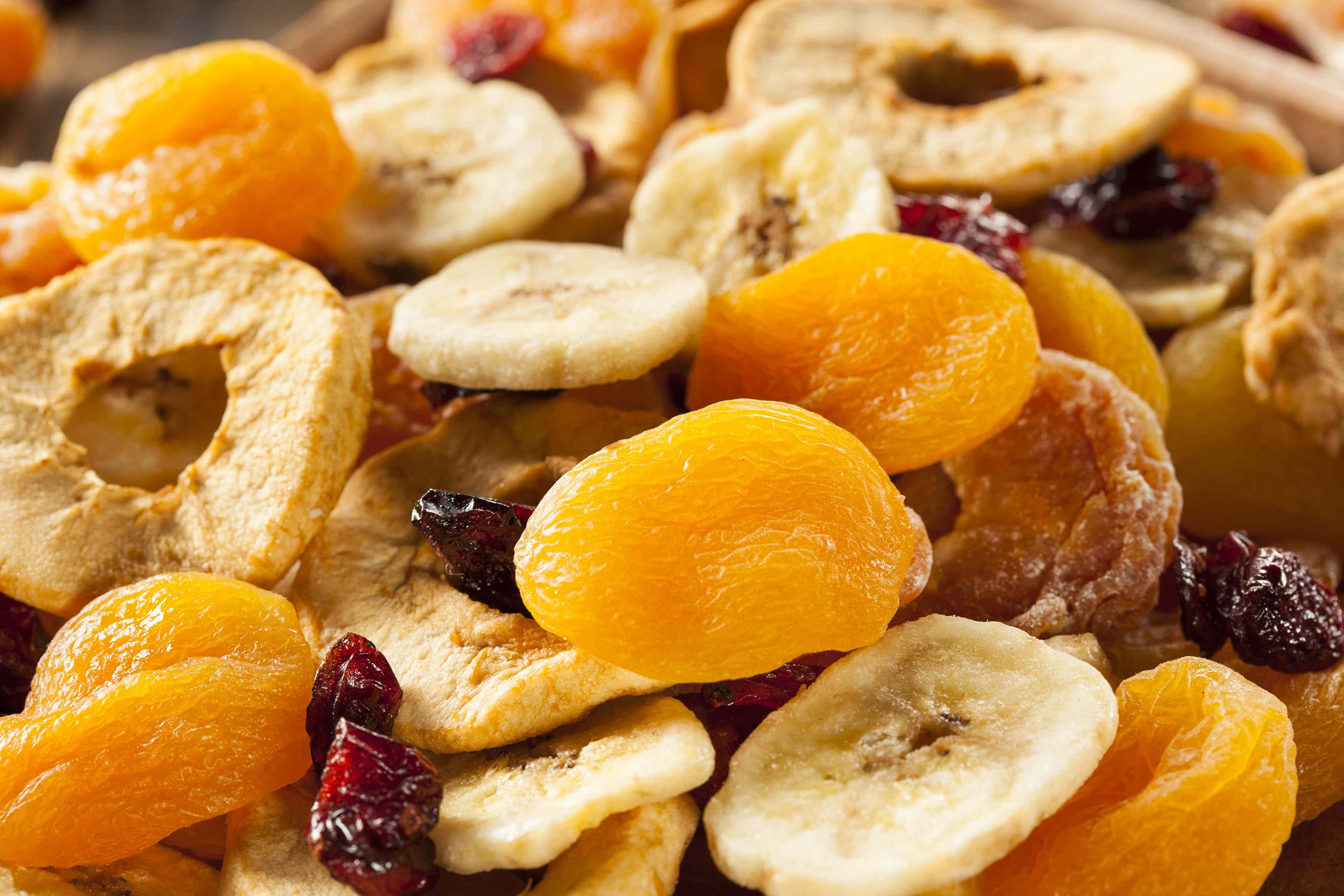
1. What Determines Dried Fruit Shelf Life? The Food Science
The primary preservation mechanism in dried fruit is water activity reduction. Water activity (Aw) is a measure of the availability of water molecules in a food for chemical reactions and microbial growth distinct from moisture content, which measures total water by weight. Below a water activity of 0.6 Aw, the growth of bacteria, yeast, and mould becomes impossible or negligibly slow. Well-produced commercial dried fruit consistently targets Aw below 0.65 the threshold that enables safe, shelf-stable storage without refrigeration.
Three distinct spoilage mechanisms can affect dried fruit shelf life even when microbial growth is controlled: oxidative rancidity (the natural oils in some dried fruits particularly coconut, nuts, and fatty tropical varieties can oxidise over time, producing off-flavours), enzymatic browning (where processing has not fully deactivated browning enzymes), and moisture reabsorption from the environment (the most common cause of quality deterioration in opened dried fruit).
2. Dried Fruit Shelf Life by Type: A Practical Reference Guide
a. Soft-Dried Tropical Fruits (14-18% Moisture Content)
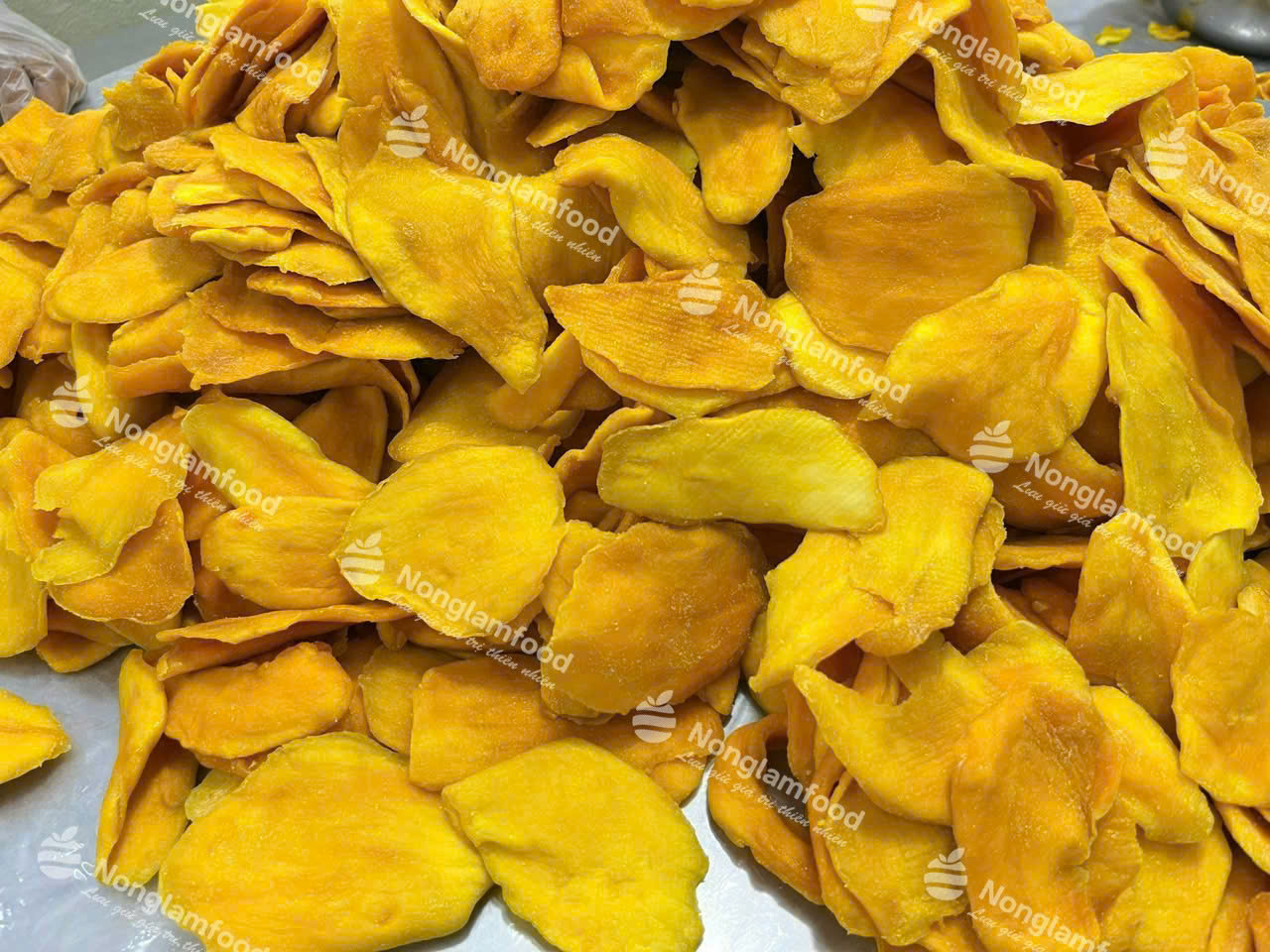
This category includes most premium Vietnamese dried tropical fruits mango, pineapple, papaya, passion fruit, dragon fruit produced to a soft, pliable texture with 14-18% residual moisture.
- Sealed, commercial moisture-barrier packaging: 12-18 months from production date
- Opened, stored at room temperature in original packaging: 4-8 weeks
- Opened, transferred to airtight glass jar at room temperature: 6-10 weeks
- Opened, refrigerated in airtight container: 3-6 months post-opening
- Frozen in sealed moisture-barrier bag: 12+ months with no quality loss
b. Chewy/Storage-Format Dried Fruits (Below 8% Moisture Content)
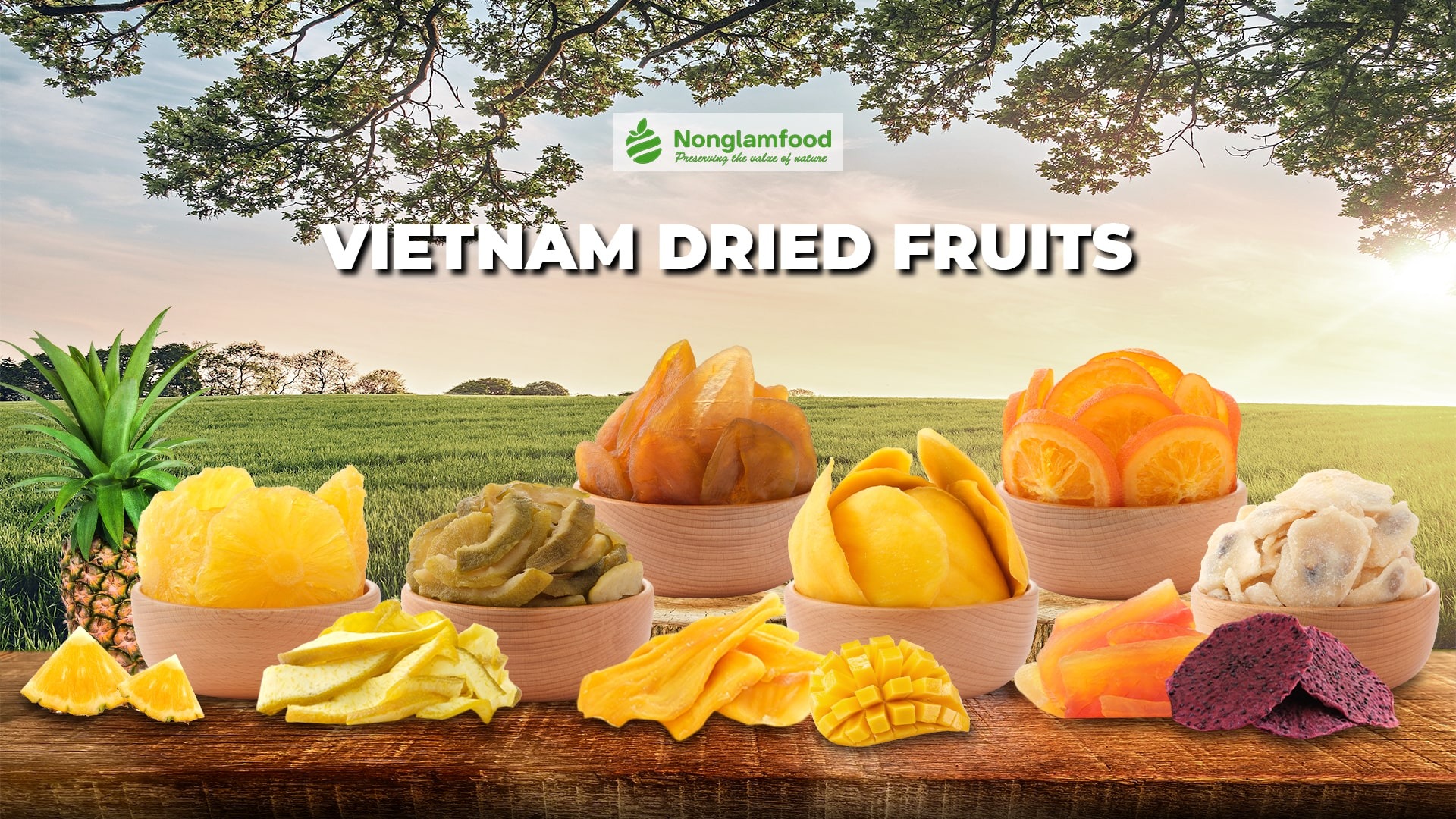
Raisins, prunes, dried apricots, dried figs, and dates fall into this category lower moisture content enables longer ambient shelf life.
- Sealed commercial packaging: 12-24 months
- Opened, room temperature airtight storage: 6-12 months
These products are more forgiving of storage conditions due to their lower starting moisture content.
c. Freeze-Dried Fruits (Below 3% Moisture Content)
- Retail packaging (resealable pouch): 18-36 months sealed; reseal immediately after each use
- Industrial sealed packaging with oxygen absorber: up to 25 years relevant for emergency food applications
- Most moisture-sensitive of all formats: a single exposure to humid air begins quality degradation
3. Does Dark Colour Mean Dried Fruit Has Gone Bad? The Honest Answer
This is the most common question about dried fruit shelf life, and the answer is more nuanced than most people expect.
Key fact: Colour darkening in dried fruit is almost always a natural chemical process not a sign of spoilage or safety concern. The two mechanisms responsible are the Maillard reaction (sugar-amino acid browning that occurs during and after drying) and oxidative colour change (slow pigment degradation over the shelf life period). Neither indicates microbial spoilage.
- The Maillard reaction and drying: During drying, natural sugars and amino acids in the fruit react at elevated temperatures to produce brown pigment compounds. This is the same reaction that browns bread crust and toasted coffee it is a natural consequence of applying heat to food and does not indicate spoilage. Dark colour in dried mango, papaya, or pineapple that was present immediately after production is the Maillard reaction, not deterioration.
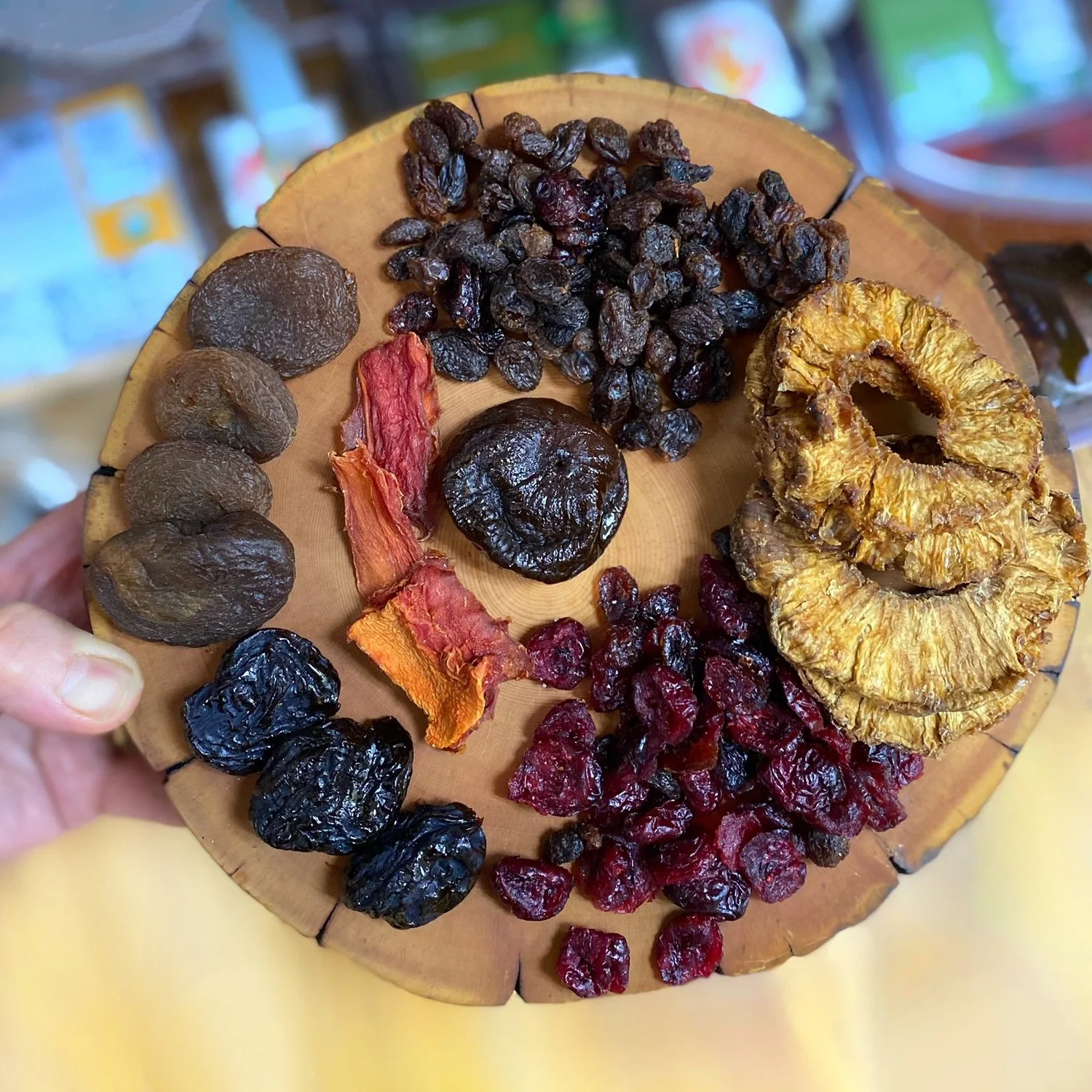
- Sulphite treatment and colour: This explains one of the most confusing colour situations in dried fruit. Dried apricots treated with sulphur dioxide (SO2) remain bright orange throughout their shelf life. Unsulphured dried apricots are dark brown not because they have gone bad, but because without the sulphite preservative, natural Maillard browning proceeds. Both are safe; both have similar nutritional value; the dark version has the cleaner ingredient label.
- What DOES indicate spoilage: Visible mould (fuzzy growth in any colour white, green, black on the surface of pieces), fermented or alcohol-like off-odour, and extreme stickiness combined with off-smell. The nose is the most reliable spoilage detector if dried fruit smells wrong, discard it regardless of colour. If it smells clean and fruity, colour change alone is not a reason to discard.
- White crystals are not mould: White crystalline deposits on the surface of dried mango or other sugary dried fruits are sugar crystallisation a completely normal physical process that occurs when supersaturated sugar solutions in the fruit slowly crystallise. These deposits are entirely safe and can be wiped away or dissolved in your mouth. They do not indicate quality problems.
4. How Dried Fruits Are Preserved: Production Methods That Extend Shelf Life
Understanding how dried fruit shelf life is established during production helps buyers and consumers evaluate product quality and storage claims more accurately.
- Water activity control: The primary preservation mechanism. Quality producers measure Aw for every production batch not as an estimate, but as a measured number from a calibrated instrument. Products consistently achieving Aw below 0.65 are reliably shelf-stable.
- Modified atmosphere packaging (MAP): Replacing the air inside the packaging with nitrogen (an inert gas) before sealing eliminates the oxygen that drives oxidative rancidity. This extends flavour shelf life particularly in fatty dried fruits like coconut chips.
- Nitrogen flushing: A simpler version of MAP the package is flushed with nitrogen just before sealing. Reduces residual oxygen and slows colour change and oxidative flavour deterioration throughout the shelf life period.
- Moisture-barrier packaging materials: The packaging film itself determines how well the product resists moisture ingress from ambient air. High-barrier films multi-layer laminates with aluminium or EVOH layers provide significantly better protection than standard single-layer polyethylene.
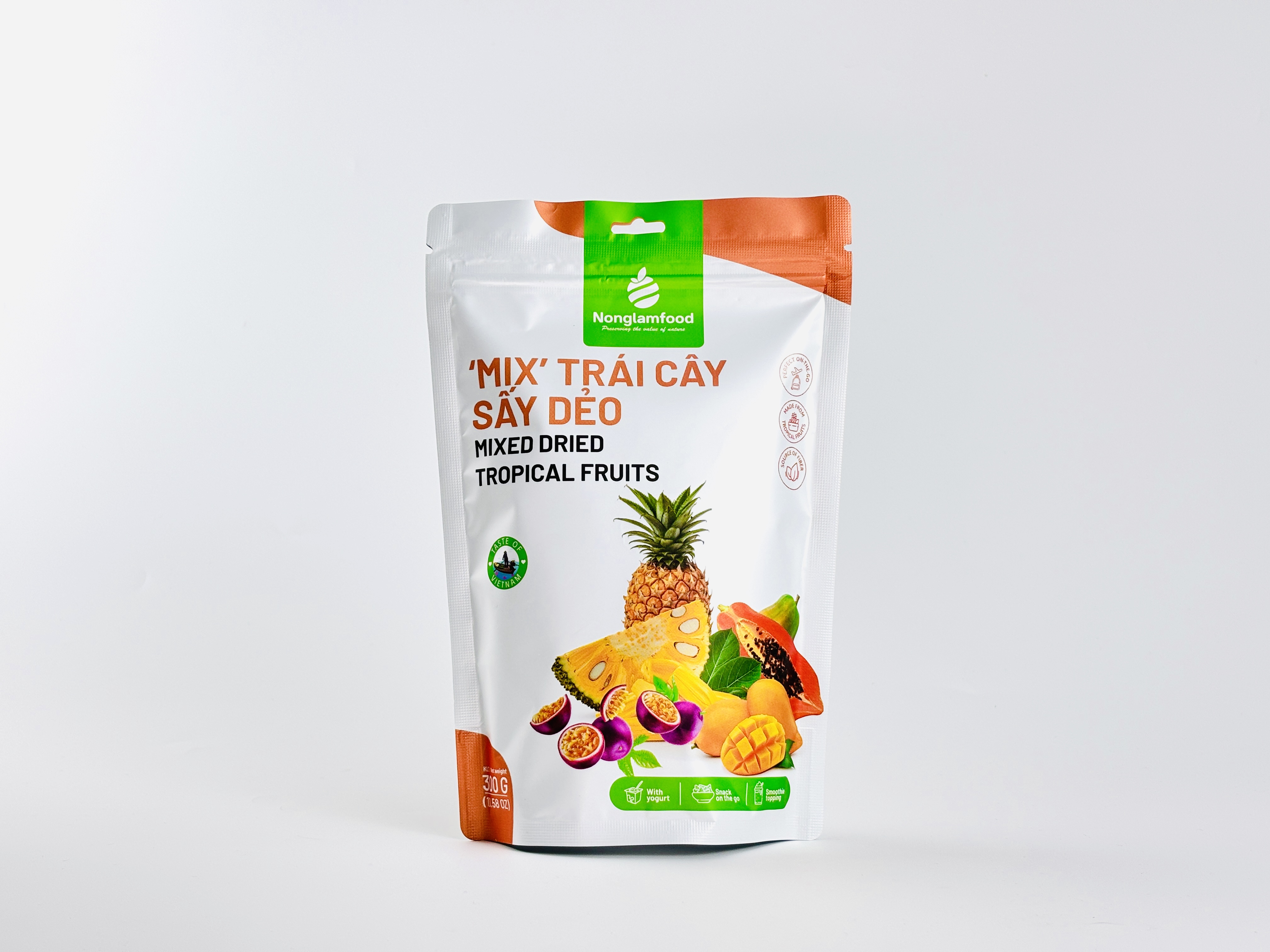
Nong Lam Food targets consistent moisture content and water activity in every production batch, packages in moisture-barrier pouches with nitrogen flushing, and provides clear best-before dating based on measured production parameters giving buyers accurate shelf life information for inventory planning.
5. Best Storage Practices to Maximise Dried Fruit Shelf Life at Home
- Sealed container is non-negotiable: Airtight glass jar with a rubber-sealed lid is ideal. Resealable pouches with zip-lock closures work well if fully sealed after each use. Never leave opened dried fruit in the original bag loosely folded over.
- Location: Cool (15-20°C), dark, stable temperature. A pantry cupboard away from the oven, dishwasher, and direct sunlight. Temperature cycling warm days, cool nights causes condensation inside containers and dramatically shortens shelf life.
- Avoid humidity: The single biggest practical enemy of opened dried fruit. Kitchens near the sink or cooktop have elevated ambient humidity. If your kitchen is consistently humid, refrigerate opened dried fruit.
- Refrigerate after opening: 4-8°C significantly slows all three spoilage mechanisms. Ensure the container is fully airtight before refrigerating dried fruit left loosely covered in the refrigerator absorbs food odours and ambient moisture.
- Freeze for long-term: The most effective storage method for opened dried fruit you will not consume within 6-8 weeks. Freeze in sealed, moisture-barrier bags or airtight containers. Thaw at room temperature before opening do not expose cold dried fruit to warm, humid air before it has equalised to room temperature.
6. Conclusion
Commercial dried fruit shelf life is 12-18 months sealed for soft-dried tropical varieties and up to 24 months for lower-moisture temperate dried fruits when produced to consistent moisture content and water activity targets and packaged in moisture-barrier packaging. Dark colour is not spoilage. The real spoilage indicators are smell, texture, and visible mould not visual browning.
For buyers and distributors, the most important shelf life assurance comes from suppliers who can provide measured water activity data alongside their best-before dates not those who estimate shelf life based on category convention alone.
Nong Lam Food's dried fruit range is produced to consistent moisture and water activity targets, packaged in moisture-barrier pouches with nitrogen flushing, and clearly best-before dated. Visit vietnamdriedfruits.vn for product specifications and sample requests.
Related information
- How Are Dried Mangoes Made? Ensuring Texture and Flavor Retention
- Fruits Containing High Fibre: A Complete Guide to the Best Dietary Sources
- How Do You Dehydrate Fruit Without a Dehydrator? DIY vs. Export Grade
- How Do You Dry Limes for Flavored Coatings? A Technical Overview
- What Fruits Grow in Vietnam? A Sourcing Guide for Global Partners
- Nutrient Rich Dried Fruits: What Science Says About Their Health Benefits
PRODUCT CATEGORIES
NEWS

Partner with us to provide and elevate healthier food options while supporting sustainable agriculture with a passion to serve and a commitment to innovation. Together, we can improve the lives of disadvantaged farmers and generate a positive impact!

