




Dedicated Manufacturer and Exporter of Premium Dried Fruits, Natural Fruit Bars, and Flavored & Coated Nuts
- Home
- /
- Knowledge Hub
- /
- How to Make Dried Pineapple: Preserving Color, Texture & Natural Flavor
How to Make Dried Pineapple: Preserving Color, Texture & Natural Flavor
Learning how do you make dried pineapple at home is simpler than most people expect but achieving the bright golden colour, soft chewy texture, and naturally balanced sweetness that make dried pineapple genuinely enjoyable requires attention to a few specific variables that most guides overlook. This step by step walkthrough covers everything from pineapple selection through to storage, and includes an honest look at what separates a great home result from the professionally dried alternative.
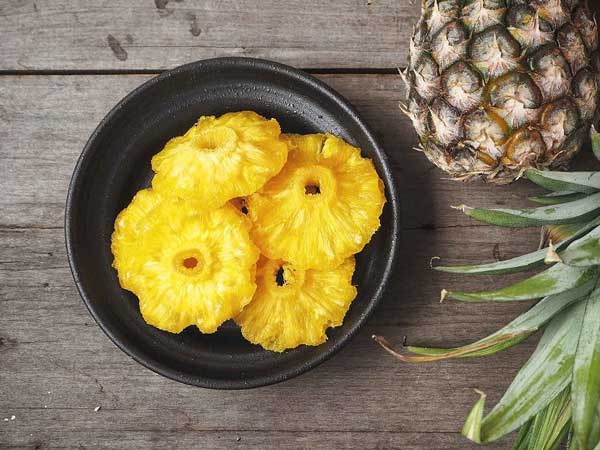
Why Make Dried Pineapple? Understanding the Result Before You Start
Dried pineapple concentrates everything that makes fresh pineapple appealing the sweet-tart flavour, the aromatic tropical fragrance, the bright yellow colour into a shelf-stable, portable snack that keeps for months without refrigeration. A single fresh pineapple produces roughly 80-120g of dried product depending on variety, moisture content, and drying method, representing genuine value from a single fruit purchase.
Nutritionally, dried pineapple retains the dietary fibre, potassium, and manganese present in fresh pineapple in concentrated form. Bromelain the naturally occurring enzyme in fresh pineapple responsible for its characteristic tingling sensation and digestive properties partially survives the drying process, with better retention at lower drying temperatures. Vitamin C is partially reduced during drying, with the extent of loss determined by the temperature used: lower drying temperatures preserve significantly more.
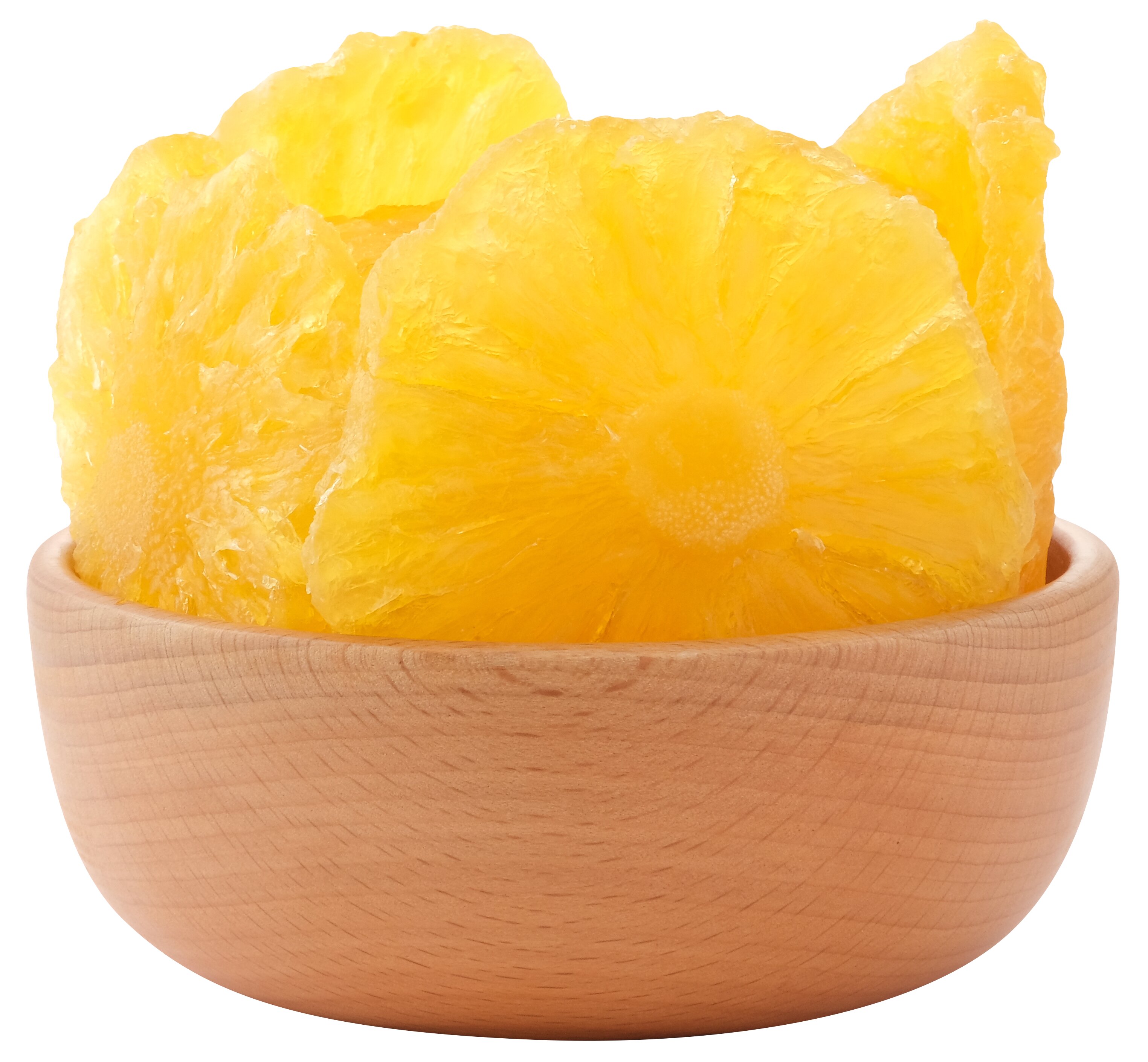
How Do You Make Dried Pineapple Step 1: Choosing the Right Pineapple
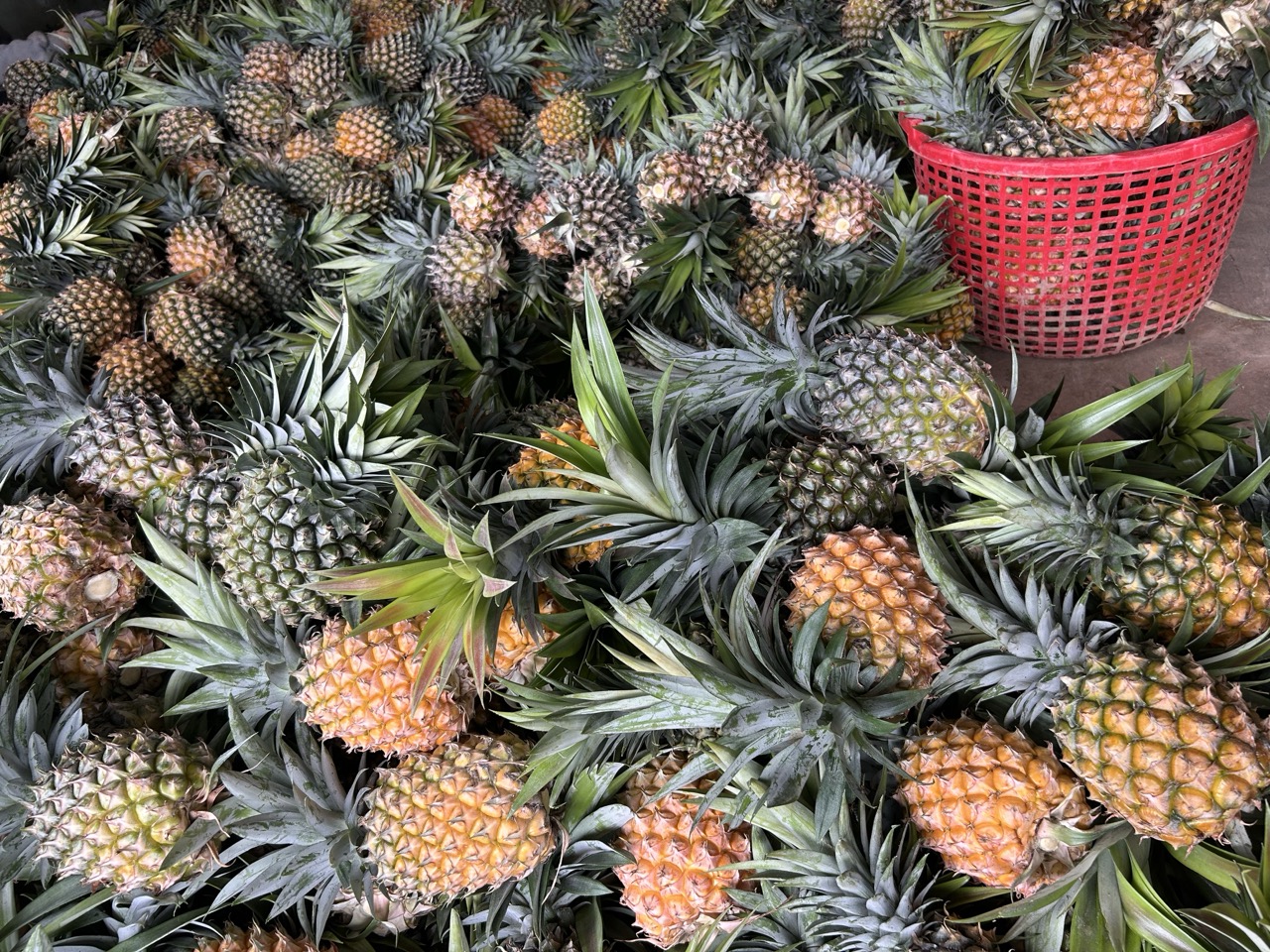
The single most important decision in how do you make dried pineapple is selecting the right fresh fruit. Pineapple at the wrong stage of ripeness produces either sharp, acidic dried fruit (under ripe) or mushy, fermented tasting product (overripe).
- Visual indicators of peak ripeness: Golden yellow colour extending from the base toward the crown (at least halfway up the fruit), firm flesh when pressed without being rock-hard, flat bottom leaves that pull out with gentle resistance, and a distinctly sweet tropical fragrance at the base of the fruit.
- Variety considerations: Smooth Cayenne (the most common commercial variety worldwide) produces consistent results with high juice content and reliable sweetness. Queen pineapple smaller, more aromatic, with a deeper yellow colour produces exceptionally flavourful dried pineapple if you can source it. Vietnamese MD2 (Golden variety) delivers outstanding sweetness and is one of the best pineapple types for drying due to its naturally high Brix (15-18 degrees).
- What to avoid: Very firm pineapple with white flesh at the base is under-ripe, it will produce tart, pale dried fruit with weak aroma. Soft pineapple with brownish patches is overripe, it will produce mushy, fermented-tasting dried product regardless of how carefully you dry it.
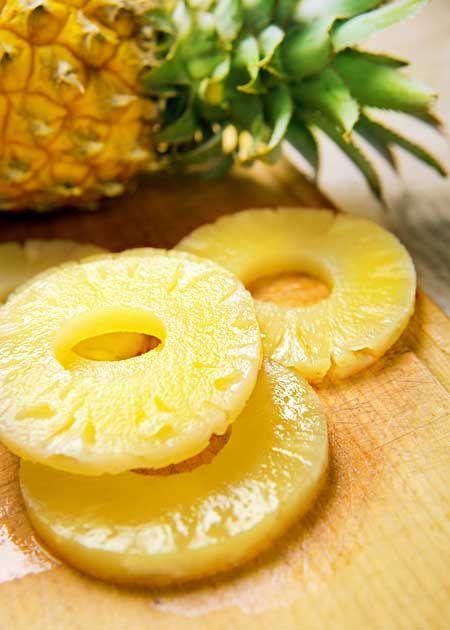
How Do You Make Dried Pineapple Step 2: Peeling, Coring, and Slicing
Preparation precision directly determines the quality of the finished dried pineapple. Take time here and the drying process becomes straightforward.
- Peeling: Cut off the top and bottom, then slice the skin off vertically following the curve of the fruit. Remove the 'eyes' (the small brown spots in the flesh) with the tip of a knife or a melon baller these can be left in for home use but create visual inconsistency in a finished product.
- Core decision: Core in dried pineapple has a firmer, chewier centre that some people enjoy. Core-out produces more tender, uniform pieces. For rings: use an apple corer or sharp round cutter to remove the core before slicing. For strips or chunks: slice first and cut around the core.
- Slicing for different textures: 5-8mm cross section rings produce classic soft-dried pineapple the standard format. Strips of 1-1.5cm width create a chewier product that holds shape well in trail mix. Chunks of 1-1.5cm produce a compact, intense snack format. Slices of 3-4mm produce a lighter, crispier result approaching a chip texture.
- The consistency rule: Every piece in a batch should be the same thickness. This is the single most impactful preparation variable inconsistent thickness creates a batch where some pieces are perfectly dried while others are either over-dried or still moist in the centre.
How Do You Make Dried Pineapple Step 3: Pre-Treatment for Colour Retention
Pineapple is less prone to enzymatic browning than apples or bananas, but a brief pre-treatment still produces noticeably better colour in the finished product particularly important for the golden appearance that makes dried pineapple visually appealing.
- Ascorbic acid or lemon juice dip: Dissolve 1 tablespoon of lemon juice (or 1 teaspoon of ascorbic acid powder) in 500ml cold water. Submerge pineapple slices for 2-3 minutes, then shake off excess liquid before arranging for drying. This simple step inhibits the oxidation reactions that cause colour browning.
- Brief blanching (optional): A 30 second dip in boiling water followed by immediate transfer to cold water completely deactivates the enzymes responsible for browning. This produces excellent colour retention but slightly softens the cell structure, which some people find makes the finished texture less firm. Worth trying if your previous batches have browned significantly.
- Sugar dip (optional): Briefly soaking pineapple in a light sugar solution (1 part sugar to 4 parts water, 5 minutes) before drying improves the soft, pliable texture of the finished product by partially pre-dehydrating the outer cells. Avoid this step if you want a completely no added sugar product.
How Do You Make Dried Pineapple Step 4: Drying Methods Compared
Oven Method: How to Make Dried Pineapple Using Your Oven
The oven is the most accessible method for most home cooks wanting to know how do you make dried pineapple. Fan-assisted ovens produce significantly better results than conventional ovens due to improved air circulation.
- Temperature: 60-65 degrees C fan-assisted (140-150 degrees F). Door slightly ajar using a folded cloth or wooden spoon handle to release humid air.
- Setup: Wire rack set over a baking tray air must circulate beneath each piece as well as above.
- Time: 6-10 hours for 5-8mm slices. Flip pieces every 2 hours for even drying.
- Doneness: Golden colour retained, leathery and pliable texture, no stickiness from surface moisture. Test by cooling one piece completely before assessing.
Air Fryer Method: How to Make Dried Pineapple in Smaller Batches
For small batches of 1-2 servings, the air fryer is faster and more energy efficient than the oven. The forced air circulation produces particularly even results for pineapple rings.
- Temperature: 55-60 degrees C on dehydrate mode (or lowest available setting).
- Time: 4-7 hours for 5mm rings faster than oven due to more efficient airflow.
- Capacity: 4-6 pineapple rings per batch in most standard air fryer baskets.
- Best for: Testing recipes before committing a full batch to the oven.
Sun Drying Method: The Traditional Approach to Making Dried Pineapple
In climates with consistent heat above 32 degrees C and low humidity, sun drying produces beautifully flavoured dried pineapple with zero energy cost. The longer drying time at ambient temperature produces a distinctive flavour depth that oven-dried pineapple does not quite replicate.
- Requirements: 3-5 consecutive days above 32 degrees C with below 60% humidity.
- Setup: Elevated mesh trays with fine insect-proof netting draped over the fruit. Bring inside overnight.
- Time: 3-5 days depending on slice thickness and weather conditions.
- Risk: Higher food safety risk in humid climates due to mould development potential during slow early drying.
How Do You Make Dried Pineapple Step 5: Conditioning and Storing
Proper finishing and storage determines whether your dried pineapple remains enjoyable for weeks or develops mould or off-flavours within days of being made.
- Cool completely first: Remove from the drying environment and spread on a wire rack at room temperature for 30-60 minutes. Never package warm dried fruit residual heat creates condensation inside the container.
- Conditioning: Place cooled dried pineapple loosely in clean glass jars not sealed and leave at room temperature for 5-7 days. Shake the jar once daily. This conditioning step allows any remaining moisture to redistribute evenly across the batch, preventing the situation where some pieces are drier than others.
- Seal and store: After conditioning, seal the jars tightly. Store in a cool, dark location a pantry cupboard away from heat sources is ideal. Properly dried and stored pineapple will keep for 3-6 months at room temperature; frozen, it keeps for 12+ months with no quality loss.
- Check before eating from storage: Any signs of mould, off odour, or unusual stickiness mean the product should be discarded. Properly dried pineapple should smell strongly of tropical fruit and feel leathery and pliable.
Why Professional Dried Pineapple Looks and Tastes Different
If you have ever compared home made dried pineapple with a premium professionally produced product, you have probably noticed that the commercial version has a noticeably deeper, more vivid golden colour, a more uniform texture, and a stronger aroma when the package is first opened. The explanation lies in the Stage 2 drying temperature.
Home ovens and air fryers dry at 55-65 degrees C throughout the entire process. Professional heat pump drying operates at 60-65 degrees C in Stage 1 (free water removal) and then drops to 25-30 degrees C in Stage 2 using a condensing unit that removes humidity from the air. This impossibly low Stage 2 temperature protects the carotenoid pigments responsible for pineapple's golden colour, the volatile aromatic compounds that create its fragrance, and the Vitamin C and bromelain content that make it nutritionally distinctive.
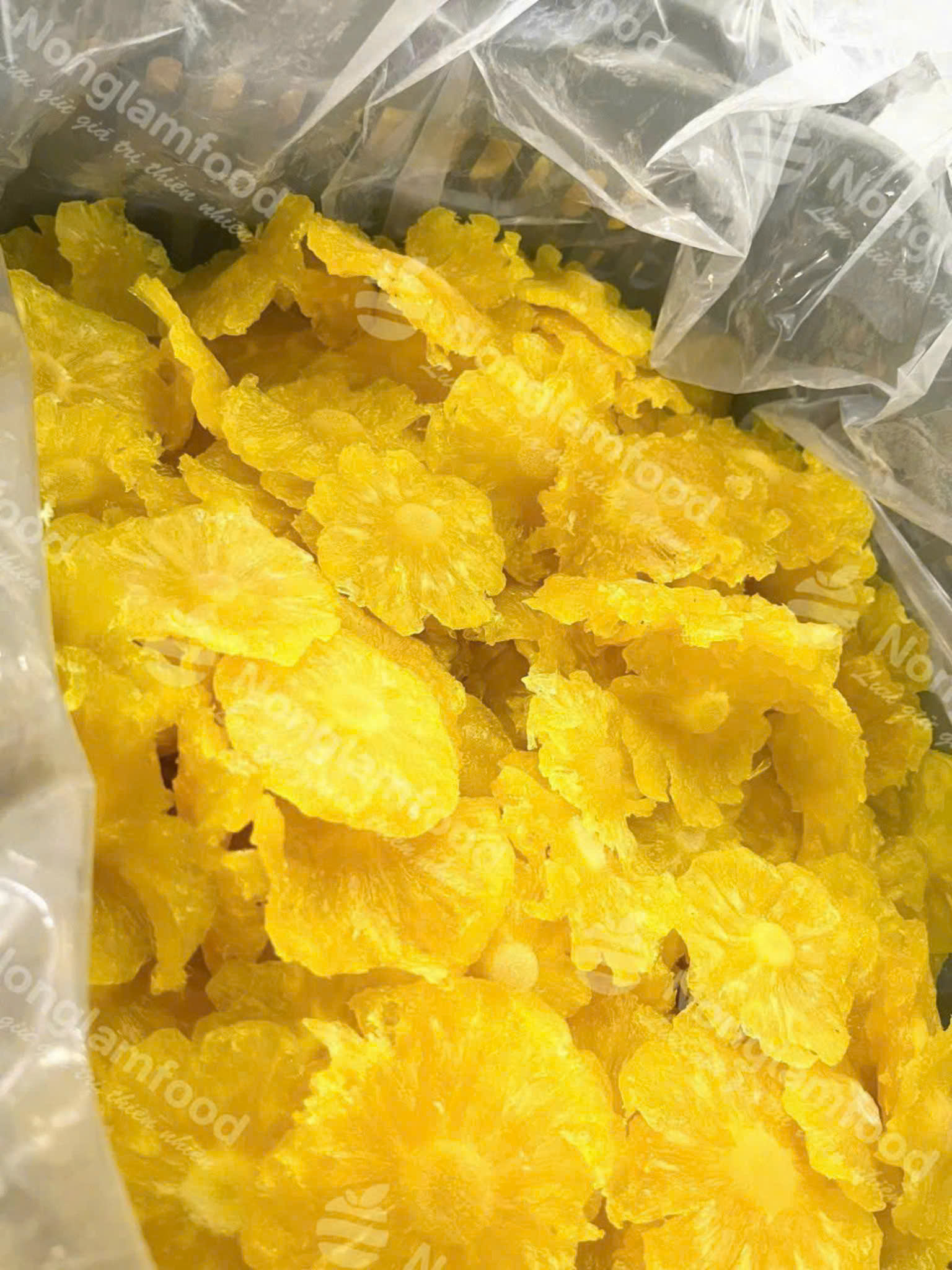
The result is a product that genuinely retains more of what makes fresh pineapple special - and it is the reason Nong Lam Food's dried pineapple delivers the bright golden colour and fresh tropical aroma that set it apart from commodity alternatives produced by conventional hot air drying.
Creative Uses for Dried Pineapple Beyond Snacking
- Smoothies: 30-35g soaked dried pineapple blended with coconut water, fresh ginger, and lime juice creates one of the most refreshing tropical smoothies possible no fresh fruit needed.
- Baking: Chopped dried pineapple in tropical cookies, fruitcake, banana bread, and muffins adds concentrated sweetness and moisture without making batters too wet.
- Trail mix: Dried pineapple strips paired with macadamia nuts, coconut flakes, and dried dragon fruit create a premium tropical trail mix with excellent flavour balance.
- Cocktail and mocktail garnish: A single dried pineapple ring is one of the most visually striking cocktail garnishes available particularly effective with rum-based or tropical drinks.
- Cheese board addition: Dried pineapple paired with aged cheddar, blue cheese, or brie creates a sweet savoury flavour combination that elevates any cheese board.
Conclusion: Making Dried Pineapple at Home and When to Buy Professional
The answer to how do you make dried pineapple at home is a genuinely accessible process: select ripe fruit, slice uniformly, pre-treat for colour, dry at 60-65 degrees C with good airflow, condition, and store correctly. The result is a delicious, additive-free snack that makes excellent use of fresh pineapple and is genuinely more satisfying to eat than most commercially available alternatives.
When you want the colour vibrancy, aroma intensity, and nutritional quality that only low-temperature heat pump drying can deliver or when you need retail-ready product with consistent moisture content and extended shelf life professional processing is the right answer. Both have their place, and knowing the difference helps you make better decisions about when to make and when to buy.
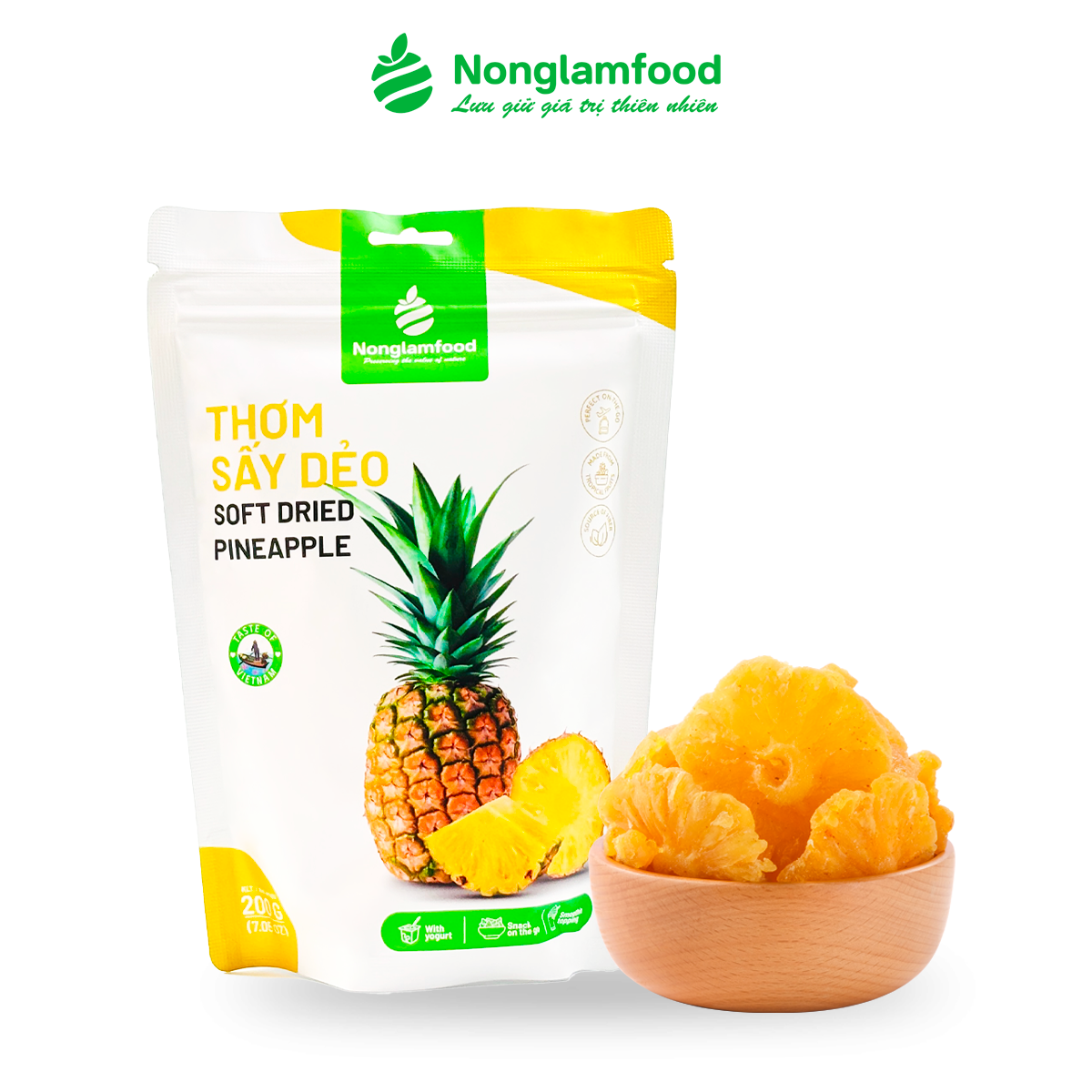
Try Nong Lam Food's heat pump dried pineapple and compare with your home results. Request samples at vietnamdriedfruits.vn - natural golden colour, no added sulphites, limited sugar.
Related information
- Understanding Mangosteen Season Vietnam for Global Supply Chain Planning
- Dried Mango Preservation: How to Store It Right and Keep It at Its Best
- Dry Fruits for Weight Loss: Which Ones Work and How to Choose Wisely
- Assorted Dry Fruits: A Strategic Portfolio for Global Healthy Snack Retailers
- How to Dry Fruit at Home — And Why Serious Brands Go Professional
- Choosing a Reliable Dry Fruit Company for OEM and Bulk Supply
PRODUCT CATEGORIES
NEWS

Partner with us to provide and elevate healthier food options while supporting sustainable agriculture with a passion to serve and a commitment to innovation. Together, we can improve the lives of disadvantaged farmers and generate a positive impact!

