




Dedicated Manufacturer and Exporter of Premium Dried Fruits, Natural Fruit Bars, and Flavored & Coated Nuts
Top Health Benefits of Eating Dried Mango
The benefits of eating dried mango go well beyond its naturally sweet tropical taste. As a concentrated source of vitamins, dietary fibre, and plant antioxidants, dried mango delivers meaningful nutritional value in a convenient, shelf-stable format whether you reach for it as a daily snack, a pre-workout energy boost, or a wholesome ingredient in smoothies and recipes. This guide walks through what the nutritional data actually shows, drawing on established dietary databases and trusted health organisations.
1. Dried Mango Nutritional Profile: What You Are Actually Eating
Understanding the benefits of eating dried mango starts with knowing what a typical serving contains. The table below is based on data from the USDA FoodData Central, using a standard 40g serving (approximately 5 - 6 slices) of unsweetened dried mango as the reference portion.
| Nutrient | Per 40g Serving | % Daily Value (approx.) |
|---|---|---|
| Calories | ~120 kcal | 6% |
| Total Carbohydrates | ~31g | 11% |
| Dietary Fibre | ~1.6g | 6% |
| Natural Sugars | ~27g | |
| Vitamin C | ~18mg | 20% |
| Vitamin A (beta-carotene) | ~40µg RAE | 4% |
| Potassium | ~130mg | 3% |
| Iron | ~0.4mg | 2% |
Source: USDA FoodData Central, Mangos, dried fdc.nal.usda.gov. Daily Value percentages based on a 2,000-calorie diet (U.S. FDA reference).
Two important notes on these figures: first, they reflect unsweetened dried mango. Many commercially available products add 15 - 25g of sucrose or glucose syrup per 100g, significantly altering the sugar and calorie profile. Always check the ingredient list and added-sugar line on the label. Second, actual values vary by mango variety, harvest maturity, and drying method figures represent a reliable reference range, not an absolute value for every product on the market.
2. Key Benefits of Eating Dried Mango: What the Science and Nutrition Data Show
a. Vitamin C: Immune Support and Antioxidant Protection
A 40g serving of dried mango contributes approximately 18 - 20mg of Vitamin C around 20% of the daily requirement recommended by the National Institutes of Health (NIH) for adult women (75mg) and men (90mg). Vitamin C is a water-soluble antioxidant essential for immune cell function, collagen synthesis, and wound healing. It also enhances the absorption of non-haem iron from plant-based foods when consumed together a practically important pairing for anyone on a plant-forward diet.
One nuance worth knowing: Vitamin C is heat-sensitive and degrades at sustained temperatures above 60°C. Conventional hot-air drying, which operates at 65 - 80°C throughout, causes measurable Vitamin C loss. Low-temperature heat pump drying where Stage 2 operates at just 25 - 30°C retains significantly more. According to food science research referenced by the NIH, the production method used to dry the fruit is therefore a relevant factor when evaluating which dried mango product actually delivers the most Vitamin C.
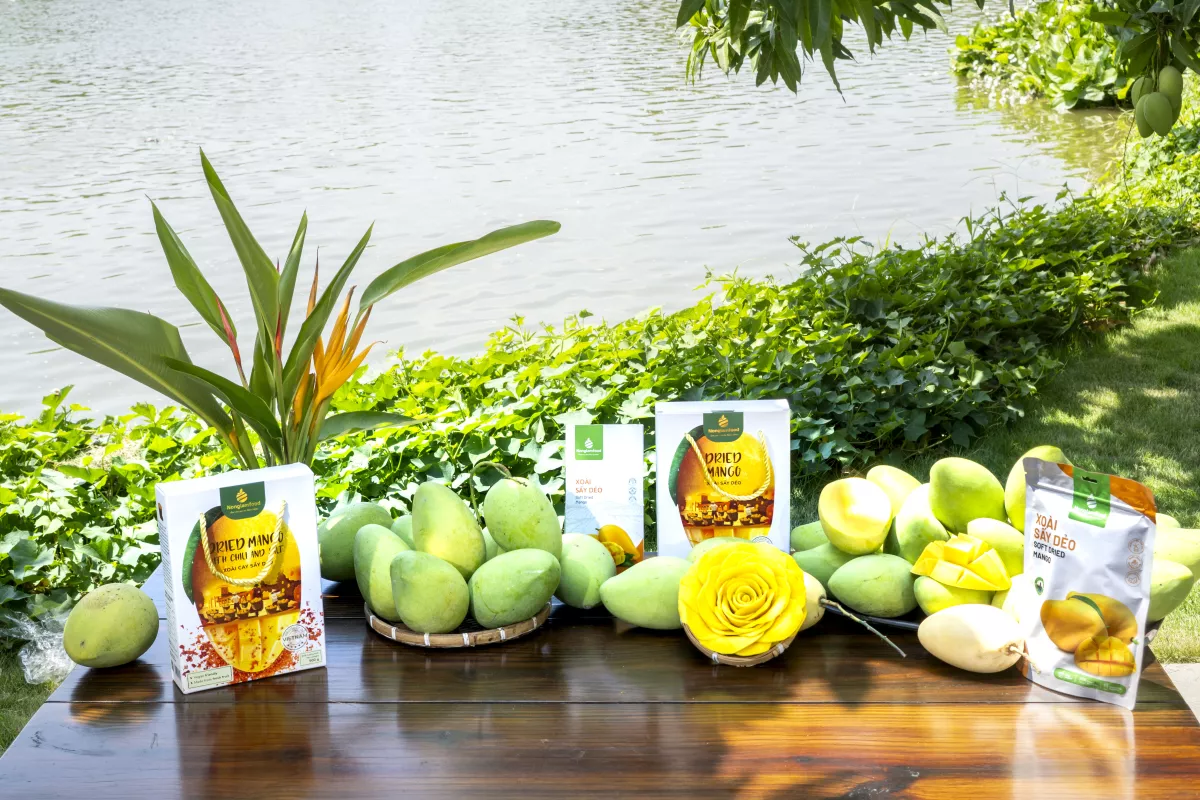
Nonglamfood Soft Dried Mango: the goodness of ripe mango preserved through advanced low-temperature drying technology.
b. Beta-Carotene: Vision, Skin, and Immune Function
Mango is one of the richest commonly available fruit sources of beta-carotene the orange-yellow pigment that the body converts to Vitamin A as needed. According to the Harvard T.H. Chan School of Public Health, beta-carotene and Vitamin A support normal vision (particularly in low-light conditions), healthy skin cell renewal, and immune defence. The deep amber-golden colour of well-made dried mango is the most visible indicator of beta-carotene content colour fading during processing directly reflects carotenoid degradation.
Beta-carotene is fat-soluble, meaning its absorption improves when eaten alongside a small amount of dietary fat. A trail mix of dried mango with nuts or coconut chips is a nutritionally synergistic combination the natural fat in the accompanying ingredient improves carotenoid uptake from the mango.
c. Dietary Fibre: Digestive Health and Satiety
Dried mango contributes dietary fibre in a concentrated format approximately 1.6g per 40g serving. While this is a modest absolute quantity, the World Health Organization (WHO) recommends at least 25g of dietary fibre daily from food for adults, and most people in developed countries fall significantly short of this target. Every contribution matters.
Dietary fibre supports gut motility, feeds beneficial gut bacteria (prebiotic activity), moderates the rate of glucose absorption after eating, and contributes to the feeling of fullness that helps with portion control throughout the day. As part of a fibre-rich diet that includes vegetables, legumes, and wholegrains, a daily serving of dried mango adds to this collectively important intake.
d. Mangiferin and Polyphenols: Plant Antioxidants Unique to Mango
Beyond the vitamins listed above, mango contains mangiferin a polyphenolic compound largely unique to the mango family. Research published in the journal Nutrients has identified mangiferin as having antioxidant and anti-inflammatory properties in laboratory and animal studies. Additional polyphenols found in mango include quercetin, gallic acid, and ellagic acid each contributing to the overall antioxidant activity of the fruit.
An important framing note: most of the research on mangiferin has been conducted in cell culture or animal models. Direct human clinical evidence specifically from dried mango consumption is limited. The appropriate way to position these findings is that dried mango, as part of a varied diet rich in plant foods, contributes to overall polyphenol and antioxidant intake not that it prevents or treats any specific condition.
e. Potassium: Cardiovascular and Muscle Function
Dried mango provides approximately 130mg of potassium per 40g serving. According to the NIH Office of Dietary Supplements, potassium is essential for normal blood pressure regulation, muscle contraction, and nerve signal transmission. The recommended daily intake is 2,600 - 3,400mg for adults and most people in Western diets consume less than recommended. While dried mango is not a primary potassium source, it contributes as part of a plant-food-rich dietary pattern.
f. Natural Carbohydrate Energy: Practical Fuel Without Artificial Additives
Dried mango provides approximately 31g of carbohydrate per 40g serving, primarily in the form of concentrated natural sugars alongside dietary fibre. This makes it a practical natural energy source for active individuals particularly before exercise, when readily available carbohydrates are beneficial for performance. The accompanying fibre moderates the rate of glucose absorption compared to refined sugar sources, providing a more sustained energy release rather than an immediate spike followed by a sharp dip.
3. Benefits of Dried Mango Slices Compared to Fresh Mango: An Honest Comparison
The benefits of dried mango slices versus fresh mango involve real trade-offs. Neither format is categorically superior they serve different practical needs:
| Factor | Fresh Mango (per 100g) | Dried Mango Slices (per 40g serving) |
|---|---|---|
| Vitamin C | ~36mg higher | ~18mg reduced by drying heat; better retained with low-temp processing |
| Dietary Fibre | ~1.6g | ~1.6g same fibre, smaller volume (equiv. ~200g fresh) |
| Beta-carotene | Present | Well-retained visible as golden-amber colour |
| Natural sugar | ~14g | ~27g significantly concentrated; portion control important |
| Shelf life | 3–5 days at room temperature | 12 - 18 months sealed in moisture-barrier packaging |
| Convenience | Requires peeling and cutting | Ready-to-eat, zero preparation |
| Portion risk | Easy to eat appropriate amounts | Risk of overconsumption measure your 40g serving |
Nutritional values: USDA FoodData Central. Comparison reflects unsweetened dried mango.
The most important practical takeaway: the sugar concentration in dried mango means that a 40g serving (approximately 5–6 slices) contains the sugar equivalent of roughly 200g of fresh mango. This is not a reason to avoid dried mango it is a reason to enjoy it in appropriate portions and choose products with no added sugar wherever possible.
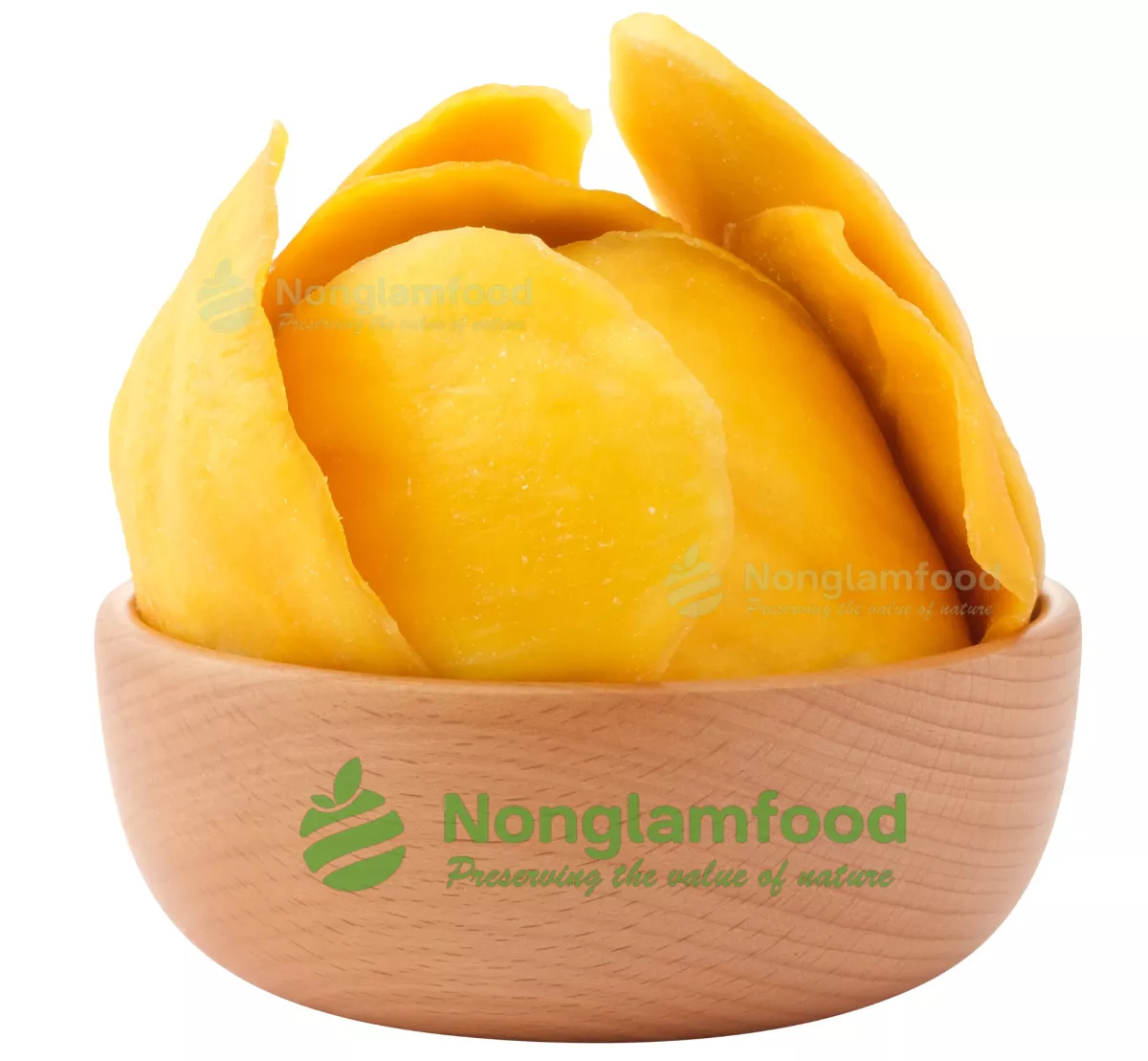
Nonglamfood Soft Dried Mango crafted from hand-selected Vietnamese mangoes, delivering a naturally balanced sweet-tangy flavour in every bite.
4. Who Benefits Most from Eating Dried Mango Regularly?
The benefits of eating dried mango are relevant across several dietary contexts though how much each person benefits depends on their individual nutritional needs and overall eating pattern:
- Active individuals and athletes: Natural carbohydrate energy without artificial additives or preservatives makes dried mango a practical pre- and post-exercise snack. The potassium content supports electrolyte balance after physical activity.
- Health-conscious snackers replacing ultra-processed alternatives: A 40g serving of no-added-sugar dried mango provides Vitamin C, beta-carotene, fibre, and potassium alongside natural sweetness a nutritional profile that most conventional packaged snacks simply cannot match.
- Those increasing plant antioxidant diversity: Mangiferin, beta-carotene, and Vitamin C from dried mango contribute to the variety of plant antioxidant compounds in the diet a key aspect of overall dietary quality.
- Travellers and those needing ambient-temperature food: Twelve to eighteen months shelf life without refrigeration makes dried mango a genuinely useful nutritional food source in travel, outdoor activities, and situations where fresh fruit is unavailable.
5. Conclusion: Are the Benefits of Eating Dried Mango Worth It?
The nutritional evidence makes a clear case: yes. The benefits of eating dried mango include meaningful contributions of Vitamin C, beta-carotene, dietary fibre, mangiferin polyphenols, potassium, and natural energy carbohydrates all from a plant food with no artificial additives in its best forms. These are genuine nutritional benefits that hold up to scrutiny, provided the product is chosen wisely and eaten in appropriate portions.
The practical checklist for choosing well: no added sugar or limited added sugar on the label; a production method that favours low-temperature drying for better Vitamin C and polyphenol retention; a deep natural colour indicating beta-carotene and minimal heat damage; and a 40g serving as your daily reference point. With those choices made, dried mango is not just a pleasurable tropical snack it is a genuinely functional one.
Explore Nong Lam Food's dried mango range at vietnamdriedfruits.vn soft-dried mango slices, mango bars, lime-coated, and chocolate-dipped, all produced with two-stage heat pump drying and limited sugar addition from Vietnamese Cát Chu, Keo, and GL3 mango.
Related information
- Fruit and nut bars, a great combination of taste, nutrients, and energy
- How to Tell if Dried Mango is Bad Before Eating?
- How Much Dried Mango is Too Much? Portion Control Tips
- Best Recipes Using Dried Mango Slices for Desserts & Snacks
- Natural and high-quality dried passion fruit from Vietnam
- Health Benefits of Pomelo Peel & Dried Pomelo Peel Benefits
PRODUCT CATEGORIES
NEWS

Partner with us to provide and elevate healthier food options while supporting sustainable agriculture with a passion to serve and a commitment to innovation. Together, we can improve the lives of disadvantaged farmers and generate a positive impact!

